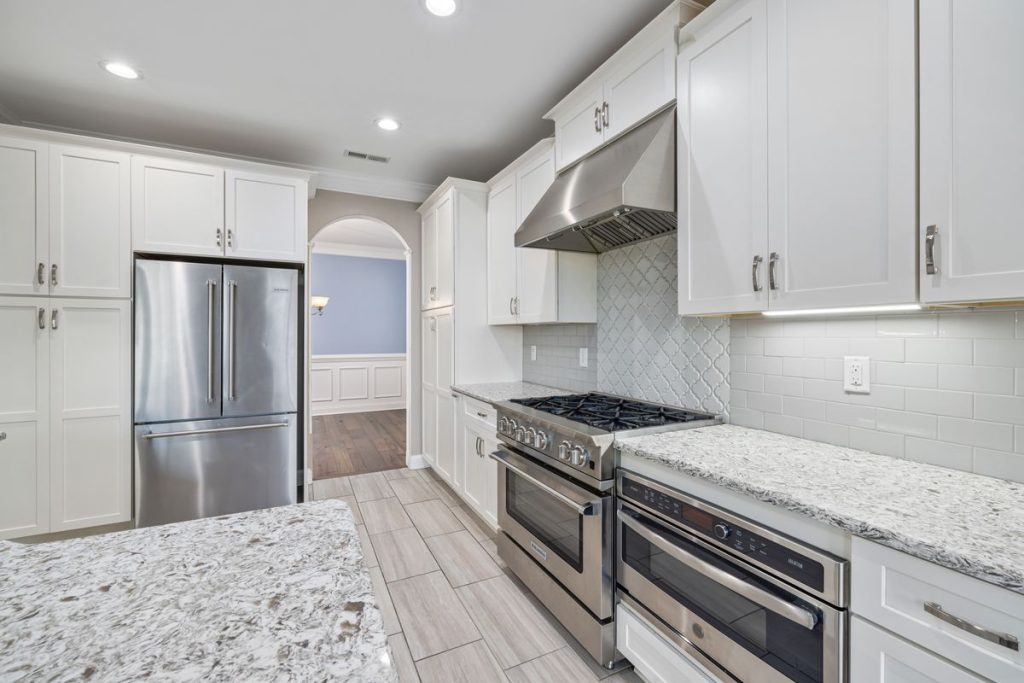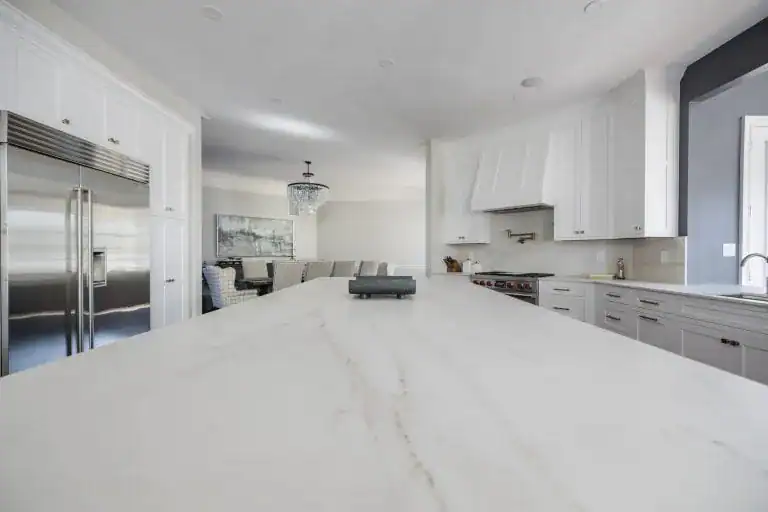
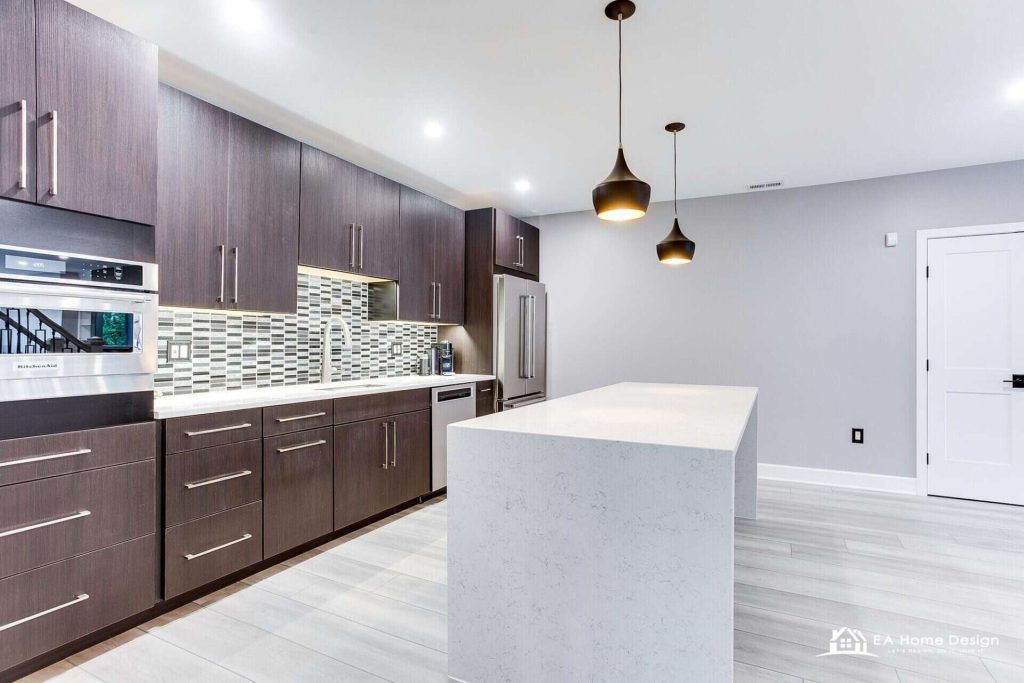
A basement conversion is the highest value square footage most Northern Virginia homes are sitting on. Transforming your basement into a functional, stylish living space is one of the best ways to add usable square footage to a Northern Virginia home without building an addition. The most popular conversions are family rooms, home theaters, guest suites, home gyms, offices, and bars. Before you start, you need to address moisture, ceiling height, lighting, and egress, since these make or break a basement project. This guide walks Fairfax and Loudoun County homeowners through the best ideas, key design considerations, real costs, and the planning steps needed to turn an unfinished basement into a space you and your family will actually use.
The short answer: converting a basement in Northern Virginia costs $30,000 to $55,000 for an open family room, $50,000 to $90,000 with a bathroom and a bar, $90,000 to $150,000 for a suite with a theater or gym, and $120,000 to $180,000 for an in-law or rental apartment with its own entrance. Four things decide what your basement can become before any finish is chosen: water, headroom, where the sewer line sits, and whether an egress opening can be cut. Every conversion below is priced to the basement remodel cost guide, and the bedroom rules come from the basement bedroom guide.
Is Your Basement Ready to Be Finished?
Before any design work, assess whether your basement can be safely and comfortably finished. A quick evaluation of four things tells you what you are working with and what it will take to get there:
- Moisture: Check for water stains, dampness, or musty smells. Basements must be dry before finishing, so any leaks or humidity problems need to be solved first.
- Ceiling height: Most building codes require finished basements to have ceilings of at least 7 feet. Measure to confirm you have the height to work with.
- Access and egress: Any basement bedroom needs a code compliant egress window or door for safe escape. Note where one could go.
- Existing systems: Locate your furnace, water heater, electrical panel, and any ductwork, since these affect your layout.
This honest assessment shapes your budget and design. A dry basement with good height is straightforward to finish, while moisture or low ceilings add cost and complexity that are far better to know up front.
What each check costs to put right
| The check | The rule or the test | If it fails | Typical cost to fix |
|---|---|---|---|
| Water | Any stain, efflorescence or musty smell, or a slab that darkens after a storm | An interior drain or a sump pump goes in before any finish; flooring over a wet slab is money composted | $2,000 to $8,000 |
| Headroom | The Virginia Residential Code wants 7 feet over the habitable area; beams, ducts and pipes may drop to 6 feet 4 inches | A main trunk line through the middle of the room is rerouted or boxed; lowering a slab is a five figure conversation | $1,500 to $6,000 for duct work; far more for a slab |
| The sewer line | Where the house drain leaves the foundation decides whether a bathroom drains by gravity | Fixtures below the line need a sewage ejector pit and pump cut into the slab | $3,000 to $6,000 inside the bathroom price |
| Egress | A bedroom needs a window with 5.7 square feet of clear opening, or a door to the outside | The foundation is cut, a steel header set, a drained well built with a ladder if it is deep | $4,000 to $9,000 per window; $3,500 to $7,500 for a door on a walkout wall |
Radon belongs on the list in Fairfax and Loudoun County: test before the walls close, and if the result calls for it, a fan and vent pipe cost $1,200 to $2,500 while the framing is open. We walk the slab and the mechanicals before drawing a basement, which is how basement remodeling in Northern Virginia starts for every client.
Basement Conversion Costs by Type
Price a conversion by what it needs, not by its square footage. A bathroom, a kitchenette or an egress window is a lump sum that lands wherever it is built, which is why a 600 square foot basement with a bath can cost more than a 1,000 square foot basement without one.
| Conversion | What it needs | 2026 cost in Northern Virginia | Time on site |
|---|---|---|---|
| Open family or rec room, 600 to 800 square feet | Framing and insulation, drywall, a painted or drywall ceiling, recessed lighting, luxury vinyl plank, doors and trim | $30,000 to $55,000 | 4 to 6 weeks |
| Family room with a half bath and a wet bar | The above plus a slab cut for drains, a half bath at $8,000 to $15,000 and a bar at $15,000 to $25,000 | $50,000 to $90,000 | 6 to 8 weeks |
| Home office or hobby room, as a defined room inside a finish | A framed room with a door, its own circuit and lighting, sound insulation in the ceiling; no egress needed unless anyone sleeps there | $15,000 to $30,000 for the room | Within the finish |
| Home gym | Rubber flooring, mirrors, a rack and good ventilation at the low end; custom flooring and equipment at the top | $2,500 to $6,000; $20,000 and up high end | 1 to 2 weeks |
| Home theater or media room | A tiered platform, acoustic treatment, wiring before drywall, a projector or large screen and seating | $25,000 to $60,000 as an add on | Within the finish |
| Legal guest bedroom | An egress window with a well at $4,000 to $9,000, a 7 foot ceiling, 70 square feet, heat, alarms and an arc fault circuit | $15,000 to $30,000 in a finished basement; $30,000 to $55,000 from unfinished with the egress | 2 to 4 weeks |
| Full bathroom | A slab cut for the drains, an ejector pump when the fixtures sit below the sewer line, waterproofing, tile and a vented fan | $15,000 to $30,000 | 2 to 3 weeks |
| In-law suite: bedroom, full bath, kitchenette, living area | Everything above, often a separate HVAC zone, fire separation where the code calls for it | $120,000 to $180,000 | 10 to 14 weeks |
| Rental apartment or accessory living unit | The in-law suite plus a private entrance, an areaway where grade requires it at $10,000 to $25,000, and the county’s accessory unit permit | $130,000 to $200,000 | 12 to 16 weeks |
Per square foot, a value finish runs $35 to $65, a mid-range finish $65 to $100 and a high end finish $100 and above. A finished basement is still the cheapest square footage you can add: roughly a third of what a comparable home addition costs per square foot. The cost guide prices every add on and shows a full line item budget for an 800 square foot basement; the basement ideas on a budget guide shows where to save without regret.
Basement Conversion Ideas: The Most Popular Living Spaces
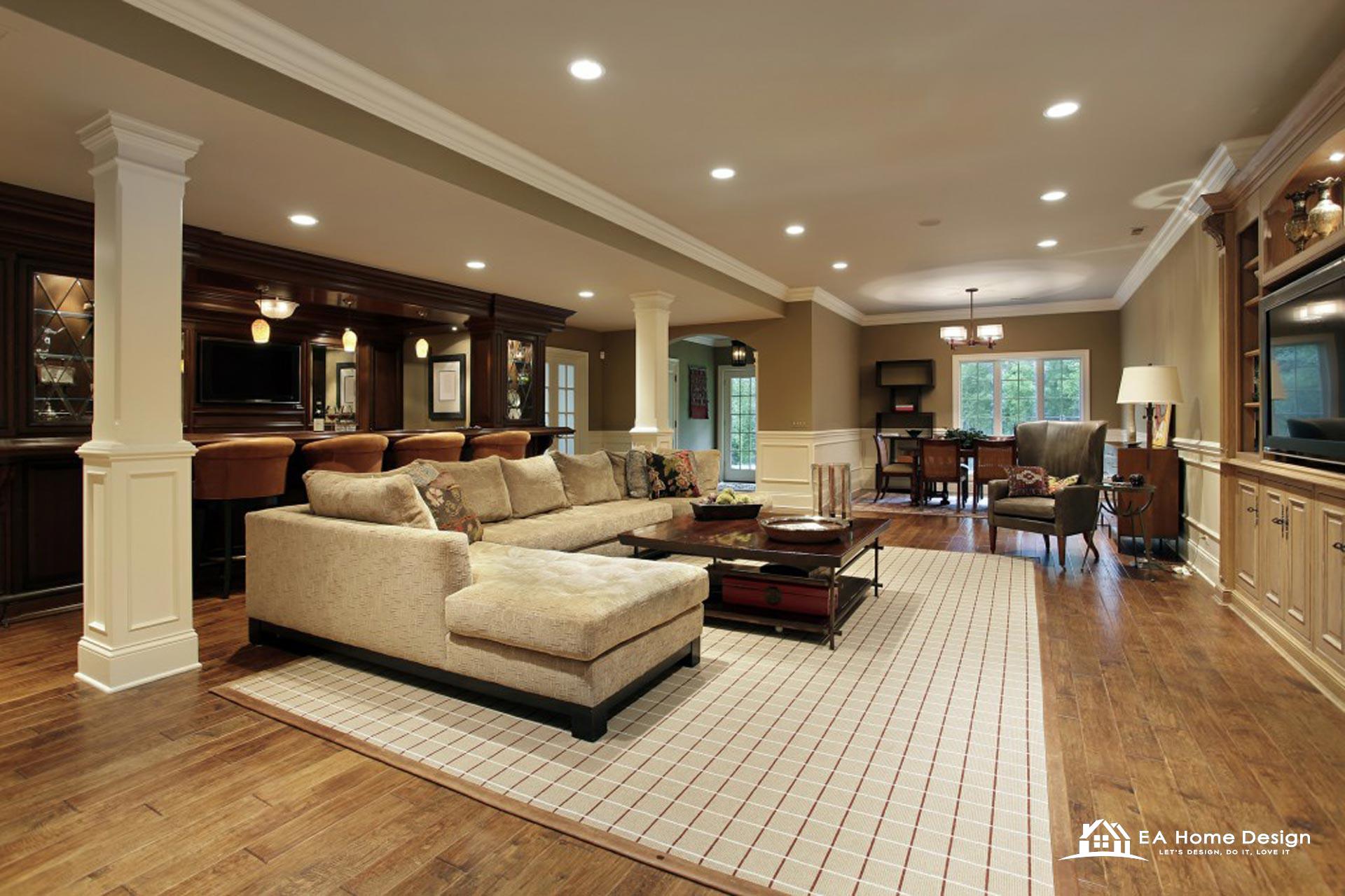
The best basement ideas turn unused square footage into a space your family actually needs. Here are the conversions Northern Virginia homeowners request most: Whether you call it a basement conversion, a cellar conversion, or simply finishing the lower level, the destination ideas are the same.
- Family or rec room: The most versatile choice, perfect for movie nights, games, and everyday relaxing.
- Home theater: Basements are naturally dark and quiet, which makes them ideal for a dedicated media room.
- Guest suite or in-law apartment: A bedroom, bathroom, and small kitchenette add flexible space and real value.
- Home gym: A private workout space saves on gym memberships and is always available.
- Home office: A quiet, separate basement office is ideal for remote work away from household noise.
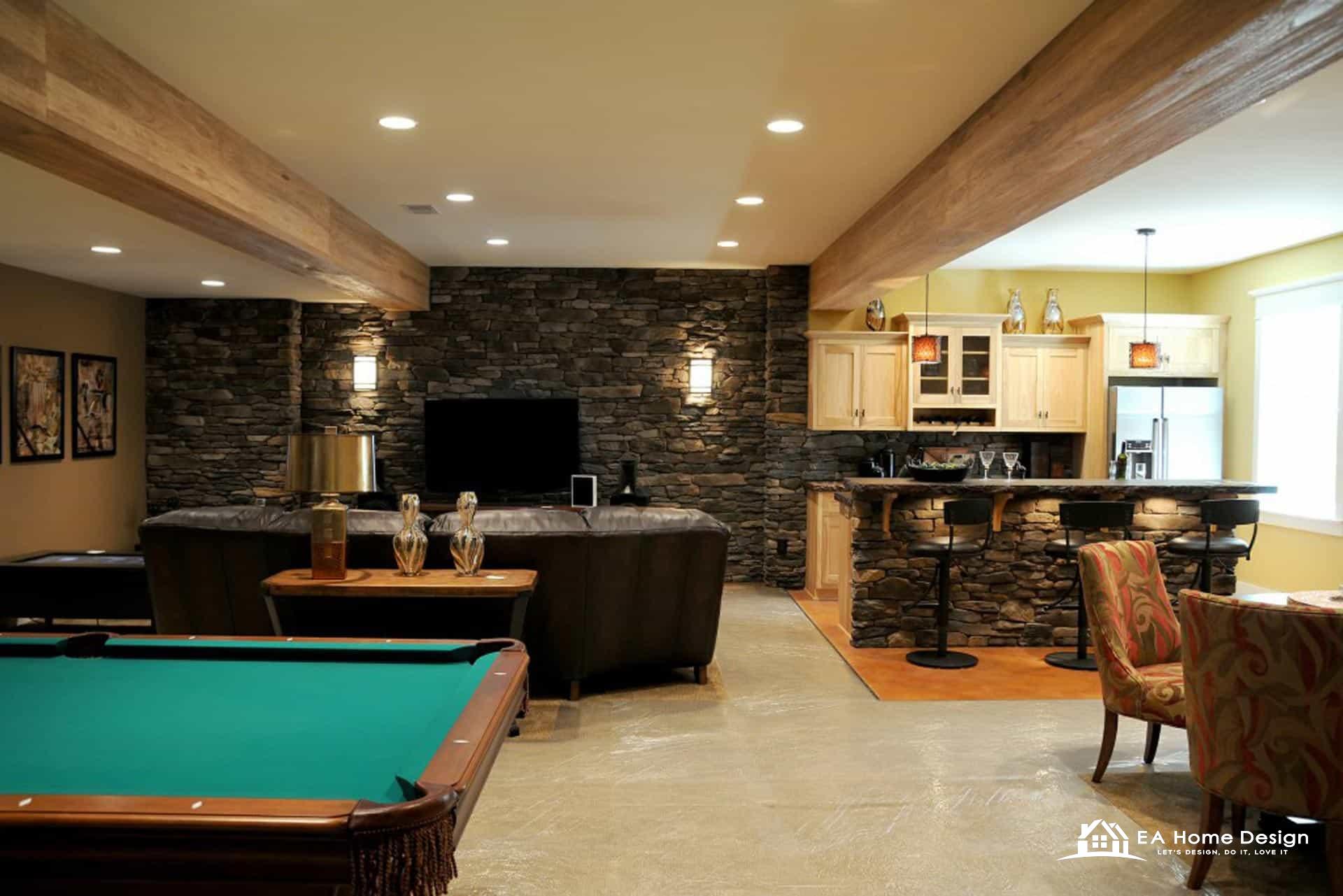
- Wet bar or entertainment lounge: A bar area makes the basement the go-to spot for hosting.
- Playroom: A dedicated zone for kids keeps toys and activity out of the main living areas.
Many homeowners combine a few of these into one flexible space, such as a family room with a bar and a tucked away office nook, which lets a single basement serve several needs at once. For more inspiration, see our full guide to basement remodeling ideas for Northern Virginia and our roundup of home gyms, media rooms, and ADU-ready spaces.
Design Considerations Unique to Basements
Basements come with a few challenges that above grade rooms do not, and good design works around them. Plan for these from the start:
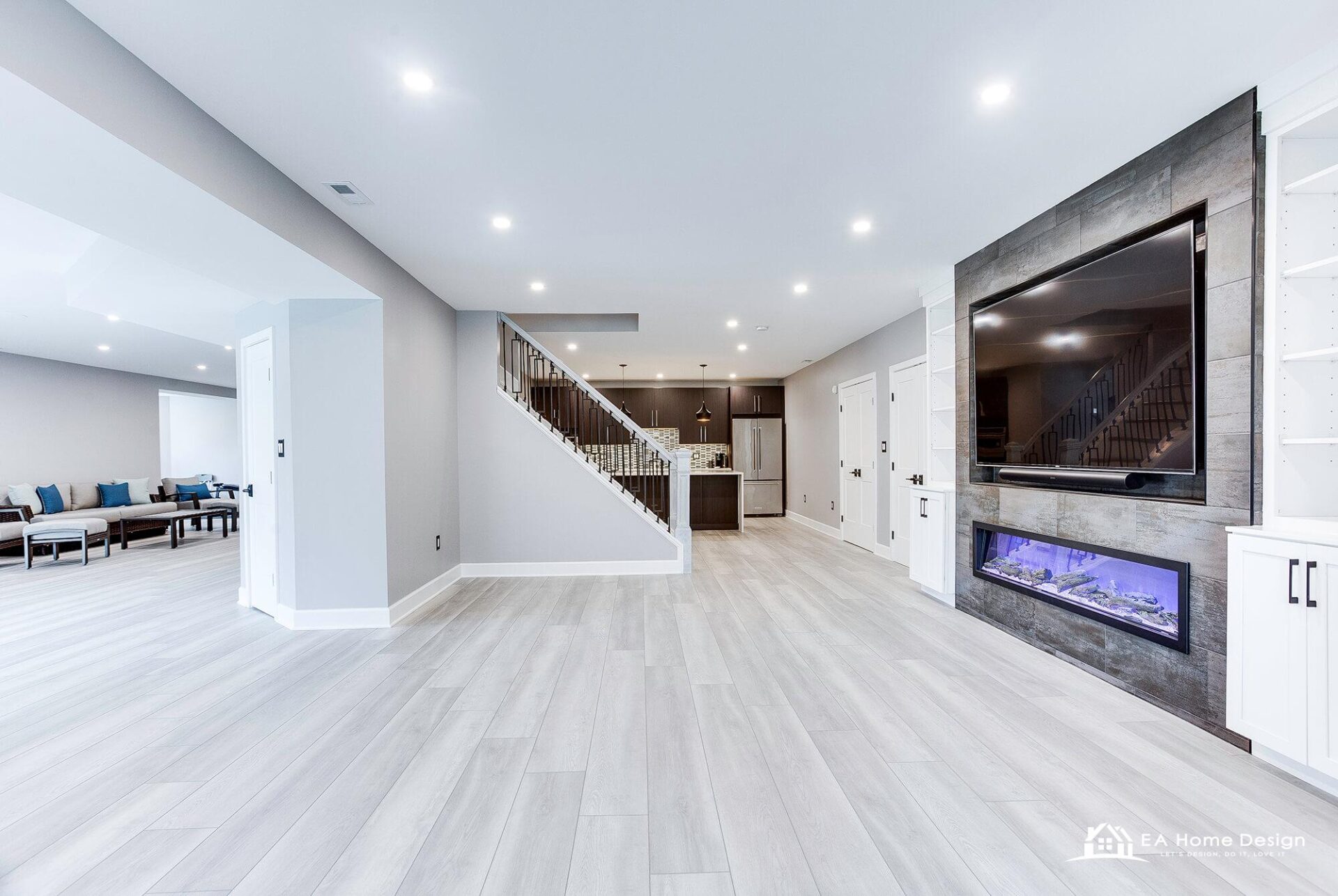
- Lighting: With little natural light, layer in plenty of recessed lighting, and use light paint colors to keep the space bright and open.
- Ceiling height: If headroom is tight, recessed lights and a painted exposed ceiling can preserve precious inches over a dropped ceiling.
- Low ceilings and ductwork: Design around beams and ducts with soffits or by building them into the layout as intentional features.
- Color palette: Light, warm tones make a basement feel larger and counteract the underground feel.
- Zoning: Use rugs, furniture, and partial walls to define separate areas within one open basement.
Thoughtful lighting and a light color palette do more than anything else to make a basement feel like a true living space rather than a converted cellar.
Solving Common Basement Challenges
Most basement problems have proven solutions, and addressing them properly is what makes the finished space comfortable and durable. Here is how to handle the most common issues in Northern Virginia homes:
- Moisture and humidity: Seal the foundation, fix any drainage issues, and run a dehumidifier. Proper waterproofing protects everything you build.
- Cold floors: Use insulated subfloor systems or add rugs and consider radiant heat for comfort underfoot in winter.
- Low ceilings: Choose recessed lighting and slim profile finishes to maximize headroom.
- Limited light: Enlarge or add egress windows where possible, and rely on layered artificial lighting.
- Noise: Add insulation between floors to keep basement activities from disturbing the rest of the house.
Moisture control is the single most important issue to get right. Finishing over a damp basement leads to mold and ruined materials, so never skip waterproofing.
Choosing the Best Basement Flooring
The best basement flooring is moisture resistant and comfortable, which rules out solid hardwood. Luxury vinyl plank is the top choice for most basements because it handles humidity, looks like wood, and feels warm underfoot. Tile is durable and water resistant but can feel cold without rugs or radiant heat. Engineered wood is more stable than solid hardwood in below grade conditions. Carpet adds warmth and is fine in a dry, well sealed basement, especially in bedrooms and play areas. Whatever you choose, an insulated subfloor underneath adds comfort and protects against any minor moisture. For a deeper comparison, see our guide to flooring choices for Northern Virginia.
How Much Does It Cost to Finish a Basement?
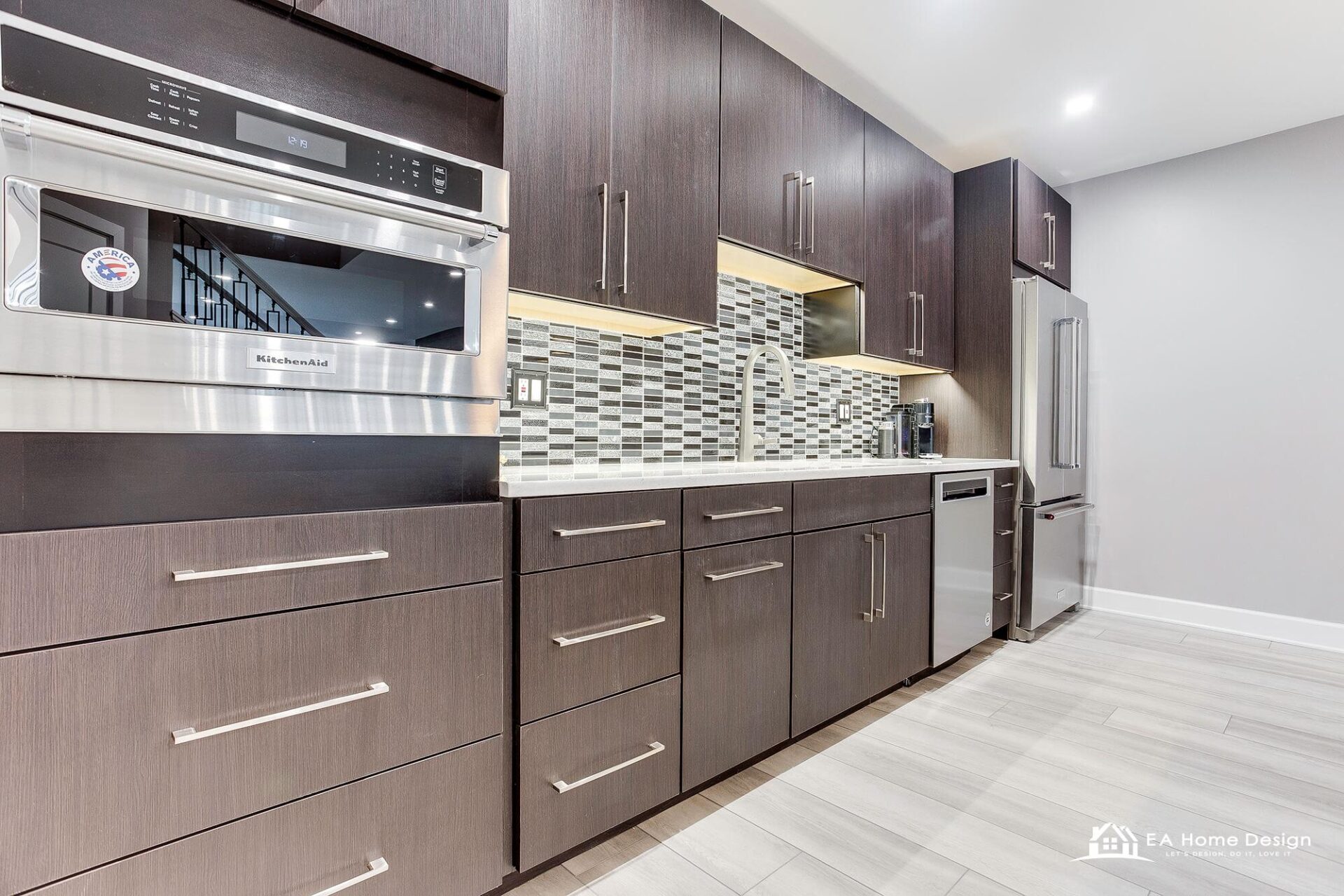
Finishing a basement in Northern Virginia typically costs $30,000 to $50,000 for basic work and $90,000 to $150,000 or more for a high end remodel with a bedroom, bathroom, bar, or theater. Per square foot, a value finish runs $35 to $65, a mid-range finish $65 to $100 and a high end finish $100 and above. The biggest cost drivers are adding a bathroom, which requires plumbing, a wet bar or kitchenette, egress windows, and premium finishes. A simple open rec room with flooring, drywall, and lighting sits at the lower end, while a full guest suite with a bathroom lands at the higher end.
- Basic finishing (drywall, flooring, lighting): $30,000 to $50,000
- Mid-range (with a bathroom and bar): $50,000 to $90,000
- High-end (suite, theater, custom features): $90,000 to $150,000 or more
A finished basement is also one of the better investments you can make, since it adds significant living space and resale value. For more on pricing and return, see our detailed basement remodeling guide.
Designing a Basement Home Theater
A basement is the ideal spot for a home theater because it is naturally dark and isolated from household noise. To do it well, start with sound. Add insulation in the walls and ceiling to contain the audio and keep it from traveling upstairs. Control light by avoiding or covering any windows, since even a small amount of daylight washes out a screen. Plan your seating in tiered rows if ceiling height allows, so every seat has a clear view. Wire for surround sound and run power and HDMI in the walls before drywall goes up, which keeps the room clean and cable free. Finish with dimmable lighting and dark, warm wall colors that reduce glare. Done right, a basement theater rivals a commercial cinema at a fraction of the per use cost.
Creating a Basement Guest Suite or In-Law Apartment
A basement guest suite is one of the highest value conversions because it adds flexible, private living space. To function as a true suite, it needs a few key elements: a bedroom with a code compliant egress window, a full or three quarter bathroom, and ideally a small kitchenette with a sink, microwave, and compact fridge. This setup works for visiting family, adult children, or even rental income where local rules allow. Privacy matters, so position the suite away from the main basement activity zones and add a separate entrance if your walkout allows. A guest suite is more involved and expensive than an open rec room because of the plumbing and egress requirements, but it delivers the most flexibility and resale appeal of any basement project.
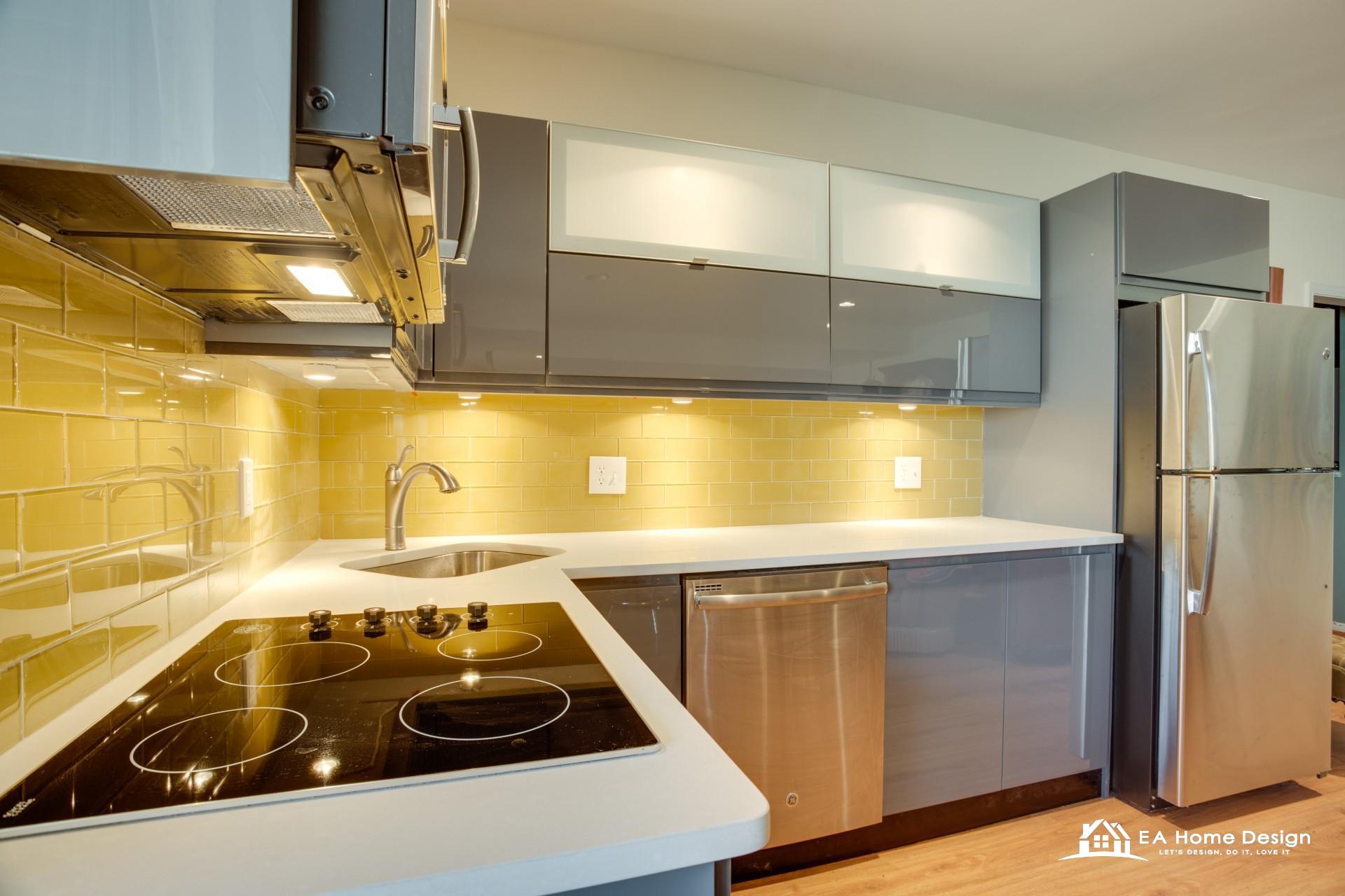
What makes the bedroom legal
| Requirement | The figure |
|---|---|
| Emergency escape opening | A window with a net clear opening of 5.7 square feet, at least 24 inches high and 20 inches wide, the sill no more than 44 inches off the floor, opening from inside without a key or tool; or a door to the outside |
| Window well | 9 square feet of clear area and at least 36 inches each way, with a permanent ladder when it is deeper than 44 inches |
| Ceiling | 7 feet over the habitable area; 6 feet 4 inches under beams, ducts and pipes |
| Room | At least 70 square feet and no less than 7 feet in either direction |
| Heat, alarms, circuits | A supply and return from the house system, interconnected smoke and carbon monoxide alarms, arc fault protection on the bedroom circuit |
| Closet | Not required by the code; expected by appraisers and buyers |
A room that misses one of these is a finished room with a bed in it, and a listing that calls it a bedroom creates a problem at resale. The basement bedroom guide has the layouts, 25 room ideas and what each costs.
Converting a Basement Into an Apartment: Fairfax and Loudoun County Rules
A guest suite and a rental apartment look alike on a plan and are different projects on paper. The suite is finished space for your own household. The apartment is a second dwelling, and the county treats it as one.
| Question | Fairfax County | Loudoun County |
|---|---|---|
| Is a basement apartment allowed? | Yes, as an accessory living unit by administrative permit; the owner must live on the property | Yes, as an accessory dwelling inside the principal structure, with size limits tied to the main house |
| How big can it be? | Capped at 800 square feet or 40 percent of the house | Limited by the county’s ratio to the main house; confirm the figure for your lot before design |
| What must it have? | A legal bedroom with egress, a full bath, a kitchen, and fire separation from the main house where the code requires it | The same |
| Its own entrance? | Expected for a rental; a door on a walkout wall or an areaway cut into the foundation | The same |
| Who else has a say? | Any HOA with architectural review, for the entrance and the window wells | HOAs in most eastern Loudoun neighborhoods; the Town for a Leesburg address |
Budget $120,000 to $180,000 for the unit and $10,000 to $25,000 more if the entrance needs an areaway, and settle two things before design: whether the grade allows a separate entrance without a long, deep stair well, and whether the county and the HOA permit a rental at all. The garage conversion guide covers the same accessory unit rules for a garage, and the Fairfax County and Loudoun County guides cover the permit offices town by town.
Heating, Cooling, and Insulation
A comfortable basement needs proper climate control, since below grade spaces tend to be cooler and more humid than the rest of the house. You have a few options for conditioning the space. Extending your existing HVAC system into the basement works if your system has the capacity. A ductless mini split is an efficient alternative that heats and cools the basement independently. Radiant floor heating adds luxurious warmth underfoot and is especially welcome in a Virginia winter. Whatever system you choose, good insulation in the walls and rim joists is essential to keep the space comfortable and energy efficient. A dehumidifier or a system with humidity control keeps the air fresh year round and protects your finishes from moisture.
Maximizing a Small or Low-Ceiling Basement
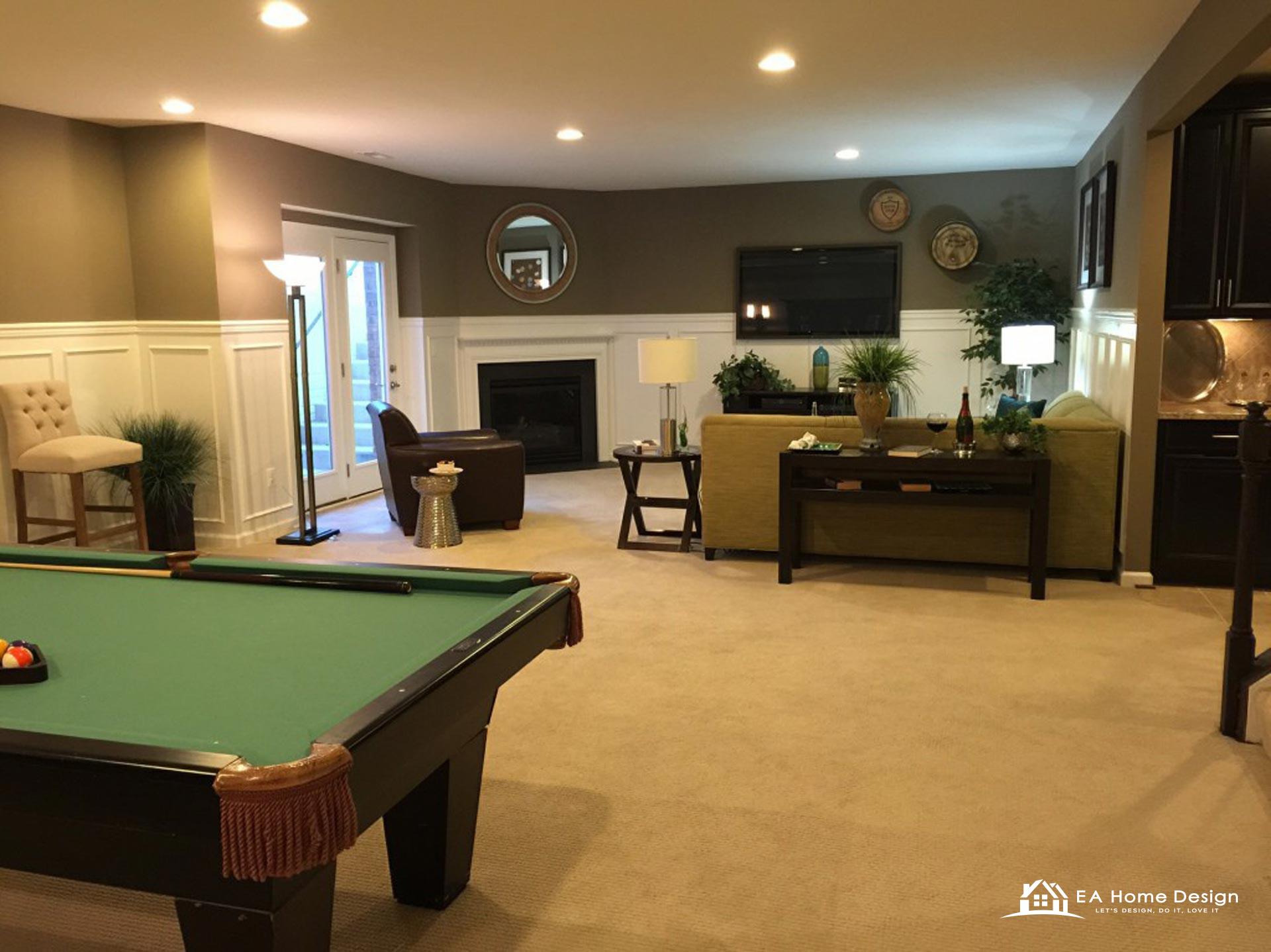
A small or low-ceiling basement can still become a great living space with smart design choices. Keep the ceiling as high as possible by using recessed lighting and either painting the exposed joists or choosing a slim drop ceiling system. Stick to a light, consistent color palette to make the space feel larger and brighter. Choose low profile, multi functional furniture that does not crowd the room. Use built in storage along the walls to keep the floor clear and open. Mirrors and plenty of layered lighting also help a compact basement feel more spacious. The goal is to make every inch count while keeping sight lines open, which prevents a smaller basement from feeling cramped or cave like.
How Long Does a Basement Remodel Take?
A basement remodel in Northern Virginia typically takes 6 to 12 weeks from start to finish, depending on the size and complexity. A simple open rec room finishes faster, while a full suite with a bathroom, bar, or theater takes longer because of the added plumbing, electrical, and inspections. The timeline usually breaks into phases: design and permitting, framing and rough ins for electrical and plumbing, insulation and drywall, flooring and finishes, and final inspections. Waiting on permits and inspections can add time, which is one more reason to work with a remodeler who knows the local process. Building a realistic schedule up front keeps the project on track and your expectations clear.
| Conversion | Design and permits | On site | Total |
|---|---|---|---|
| Open family room | 3 to 5 weeks | 4 to 6 weeks | 2 to 3 months |
| Family room with a bath and bar | 4 to 6 weeks | 6 to 8 weeks | 3 months |
| Suite with theater or gym | 5 to 7 weeks | 8 to 12 weeks | 3 to 4 months |
| In-law suite or apartment | 6 to 8 weeks, longer with an accessory unit permit | 10 to 16 weeks | 4 to 6 months |
Permits and Building Codes in Fairfax and Loudoun County
Finishing a basement almost always requires permits in Fairfax and Loudoun County, and for good reason. Permits ensure the work meets code for electrical, plumbing, framing, and most importantly, safe egress. Any basement bedroom must have a code compliant egress window or walkout for emergency escape, and this is one of the most common items inspectors check. Ceiling height, smoke and carbon monoxide detectors, and proper electrical work are all part of the inspection process. Skipping permits can cause serious problems when you sell your home, since unpermitted finished space may not count toward your square footage and can scare off buyers. A reputable remodeler handles the permit and inspection process as part of the project.
Smart Storage for a Finished Basement
Even after finishing, most homeowners still want some storage in the basement, so plan for it from the start. The key is to carve out dedicated storage without sacrificing the living space. Built in cabinets and shelving along one wall keep belongings organized and out of sight. A storage closet or a section behind the mechanical room can hold seasonal and bulk items. Under stair space is perfect for custom drawers or a closet. Bench seating with hidden storage adds function in a media or play area. Planning storage into the design means you keep the practical benefits of a basement while still gaining a beautiful living space, rather than trading one for the other.
Planning and Budgeting Your Basement Project
A successful basement project starts with a clear plan and a realistic budget. Begin by deciding how you will actually use the space, since a home theater, a guest suite, and a gym each call for very different layouts and systems. Set a budget that includes a contingency of 10 to 20 percent for surprises, which are common in older basements. Prioritize the essentials first: waterproofing, proper insulation, and code compliant egress and electrical. These are not glamorous, but they protect everything else you build. Finishes like flooring, paint, and built ins come after the basics are solid. Working with an experienced remodeler from the start helps you catch issues like moisture or inadequate height before they become expensive surprises mid project.
Frequently Asked Questions About Basement Conversions
How much does a basement conversion cost in Northern Virginia?
An open family room of 600 to 800 square feet costs $30,000 to $55,000, a family room with a half bath and a wet bar $50,000 to $90,000, a suite with a theater or gym $90,000 to $150,000, and an in-law or rental apartment $120,000 to $180,000. Per square foot that is $35 to $65 for a value finish, $65 to $100 mid-range and $100 and above at the high end.
How much does it cost to convert a basement into an apartment?
$120,000 to $180,000 for a bedroom with egress, a full bath, a kitchenette and a living area in Fairfax or Loudoun County, plus $10,000 to $25,000 when the private entrance needs an areaway cut into the foundation. Add the county’s accessory living unit permit in Fairfax County, which also requires the owner to live on the property.
Can I convert my basement into a rental apartment in Fairfax County?
Yes, as an accessory living unit by administrative permit. The unit is capped at 800 square feet or 40 percent of the house, the owner must live on the property, and it needs a legal bedroom with egress, a full bath, a kitchen and fire separation where the code requires it. Loudoun County allows an accessory dwelling inside the house with size limits tied to the main house.
Do I need an egress window to convert my basement?
Only a bedroom legally requires one: a window with 5.7 square feet of clear opening, at least 24 inches high and 20 inches wide, with the sill no more than 44 inches off the floor, or a door to the outside. A family room, office or gym does not need one, though a second way out is sensible in any finished basement. Cutting an egress window costs $4,000 to $9,000.
Can a basement with low ceilings be converted?
The Virginia Residential Code asks for 7 feet over the habitable area, with beams, ducts and pipes allowed to drop to 6 feet 4 inches. Measure at the lowest duct. A trunk line through the middle of the room can be rerouted for $1,500 to $6,000; a ceiling that is short everywhere means lowering the slab, which is a five figure project.
What is the cheapest way to convert a basement?
One open room with a painted exposed ceiling, luxury vinyl plank, recessed lighting and no plumbing: $30,000 to $55,000 for 600 to 800 square feet, or $35 to $65 per square foot. Every room you add brings a door and a wall, and every fixture brings a slab cut, so the open plan is where the savings are.
Do I need a permit to finish my basement?
Yes, in both Fairfax and Loudoun County: a building permit for the finish, with electrical and plumbing permits under it, and the egress opening on the drawings. Inspections run at framing, rough electrical and plumbing, insulation and final. Unpermitted space may not count toward your square footage at resale.
What is the best flooring for a basement?
Luxury vinyl plank over a subfloor: it handles humidity, looks like wood and is warm underfoot. Tile is durable but cold without rugs or radiant heat; engineered wood is stable below grade; carpet is fine in a dry, sealed basement. Solid hardwood stays upstairs.
How do I deal with a damp basement before finishing?
Diagnose it first. Grading and gutters fix most seasonal dampness; a slab that takes on water needs an interior drain or a sump pump, $2,000 to $8,000, installed before any finish goes in. Then insulate the foundation walls with foam, use a subfloor, and run a dehumidifier or a system with humidity control.
Can I add a bathroom to my basement?
Yes. A full bathroom costs $15,000 to $30,000 and a half bath $8,000 to $15,000, because the drains are cut into the slab and, when the fixtures sit below the sewer line, pumped up by an ejector. A bathroom near the existing rough-in is the straightforward version.
How long does a basement conversion take?
Four to six weeks on site for an open family room, six to eight with a bathroom and bar, eight to twelve for a suite with a theater or gym, and ten to sixteen for an in-law suite or apartment. Add three to eight weeks of design and permits in front of construction.
Does a finished basement add value to my home?
Yes. It adds living space at roughly a third of what an addition costs per square foot, and a legal bedroom with a bath adds the most. The one thing that subtracts value is a room called a bedroom without an egress opening, which comes up at appraisal and resale.
Related guides: the basement remodel cost guide, the basement bedroom guide, finished basement ideas on a budget, home gym design and media room design. Explore our basement renovation services or browse our project gallery, and garage conversion costs and rules, and aging in place remodeling.
Conclusion: Unlock Your Lower Level
A finished basement is one of the smartest ways to add living space and value to your home, often at a lower cost per square foot than an addition. Start by assessing moisture, ceiling height, and egress, then choose the use that best fits your family, and always prioritize the structural essentials before the finishes. Whether you want a home theater, a guest suite, a home gym, or a flexible family room, the right plan turns a forgotten, unfinished lower level into one of the most used and most loved spaces in your home. If you are planning a basement project in Fairfax or Loudoun County, EA Home Design can design it around your needs and show you a full 3D rendering before any work begins. Explore our basement remodeling resources to get started.