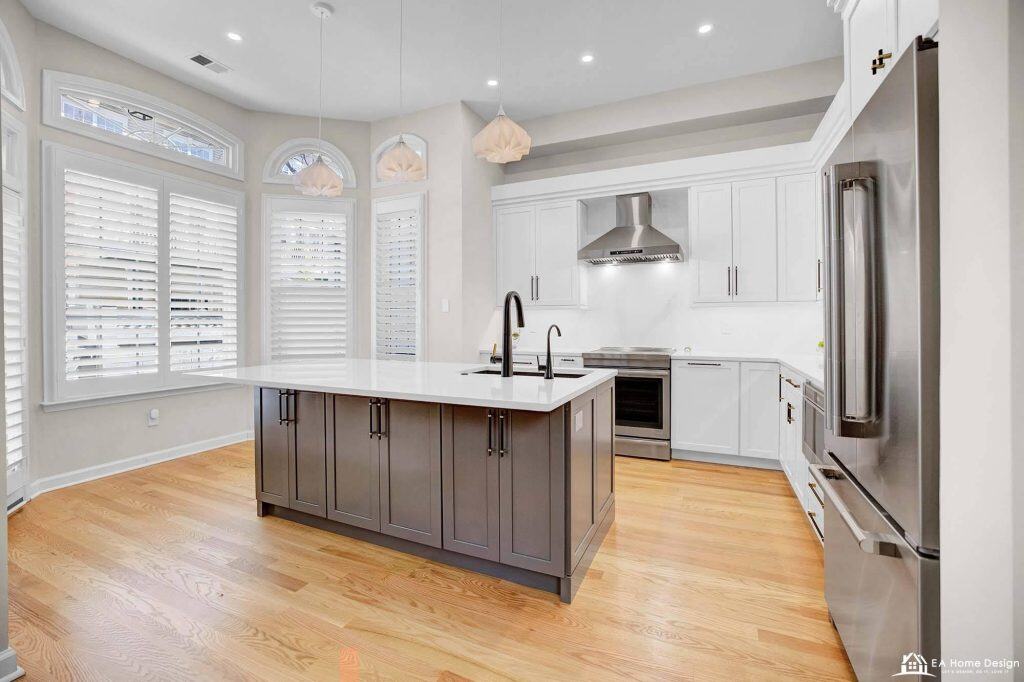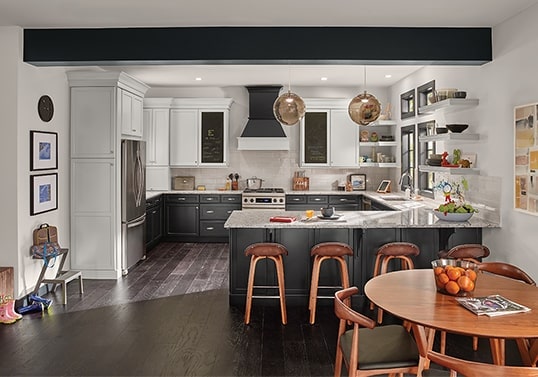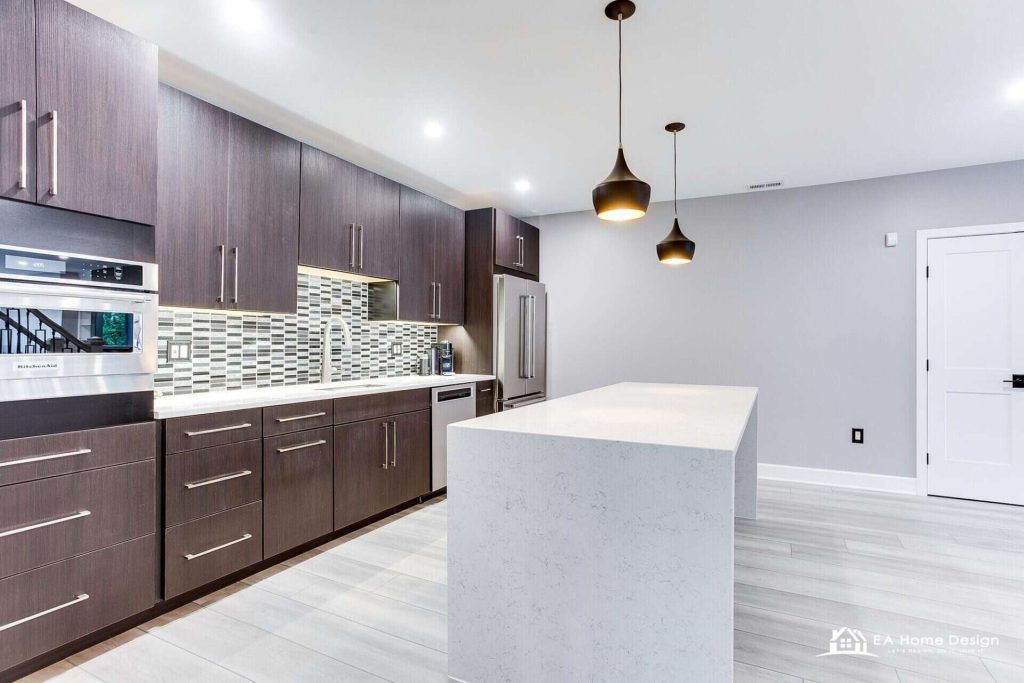
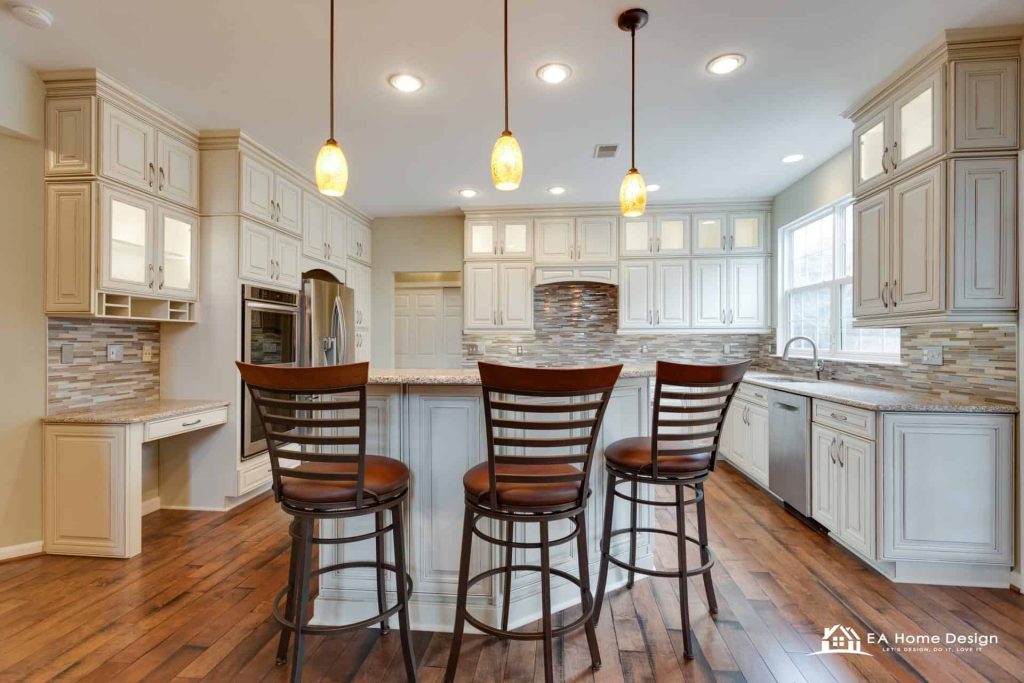
Wallpaper for kitchen cabinets and walls is one of the fastest, most affordable ways to transform a kitchen. The best choice for cabinets is peel and stick vinyl, which is removable, wipeable, and costs $30 to $100 for an average set of cabinet fronts. For kitchen walls, washable vinyl wallpaper is the most durable option, while a bold accent wall or open shelving backdrop adds designer style for very little money. Wallpaper works beautifully in kitchens when you choose moisture resistant materials and place them away from direct heat and water. This guide covers how to wallpaper kitchen cabinets step by step, the best wallpaper types for every kitchen surface, and the ideas Northern Virginia homeowners are loving in 2026.
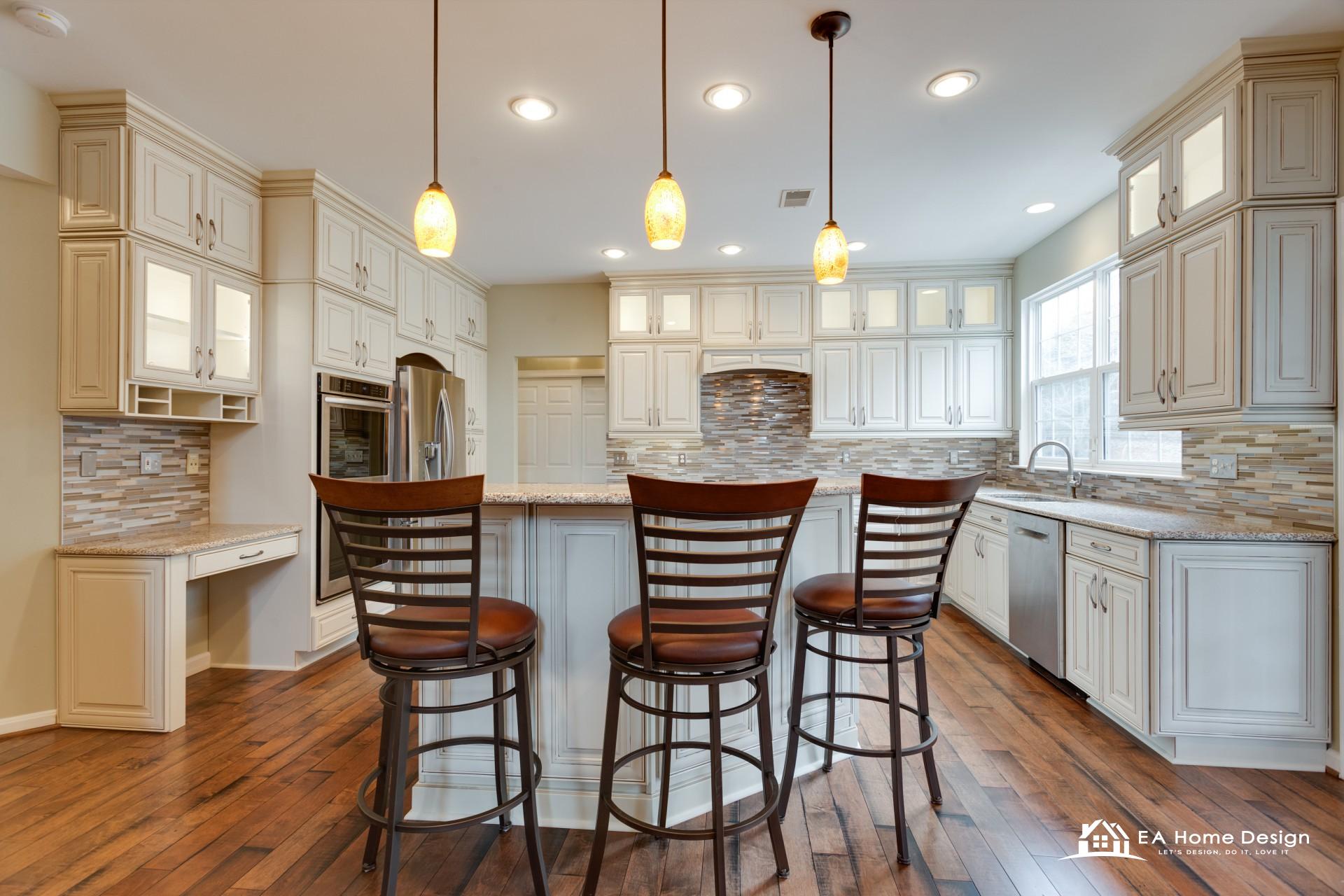
Can You Wallpaper Kitchen Cabinets?
Yes, you can wallpaper kitchen cabinets, and it has become one of the most popular budget cabinet updates of the last few years. Peel and stick vinyl wallpaper adheres well to smooth, clean cabinet doors and drawer fronts, giving dated cabinets a completely new look for a fraction of the cost of painting, refacing, or replacement. It is also removable, which makes it perfect for renters and for homeowners who want to test a bold look before committing. The honest caveats: wallpaper works best on flat, smooth door styles rather than raised panel or heavily grooved doors, edges near the stove and sink see the most wear, and it is a style refresh rather than a structural fix. Done carefully on the right doors, wallpapered cabinets can look convincingly custom and hold up for years of normal use.
How to Wallpaper Kitchen Cabinets, Step by Step
A careful cabinet wallpaper job takes a weekend and only basic tools: a measuring tape, a sharp utility knife, a smoothing tool or credit card, and a screwdriver. Here is the process professionals and successful DIYers follow:
- Step 1, remove doors and hardware: Take doors off their hinges and remove pulls and knobs. Wallpapering doors flat on a table produces far cleaner results than working vertically.
- Step 2, clean and degrease: Kitchen cabinets carry an invisible film of cooking grease that ruins adhesion. Wash every surface with a degreasing cleaner, then let it dry completely.
- Step 3, measure and cut oversized: Cut each piece about an inch larger than the door on all sides. You will trim the excess after application for perfect edges.
- Step 4, apply from one edge: Peel a few inches of backing, align the paper with one edge, and smooth as you go, working the air out with your smoothing tool. Vinyl is forgiving, so lift and reposition if you get a bubble or wrinkle.
- Step 5, trim and wrap: Trim flush with the utility knife, or wrap edges around the door sides for a more finished look on flat slab doors.
- Step 6, seal the vulnerable spots: Press edges firmly, especially near handles where fingers catch daily. A thin bead of clear adhesive on corners adds insurance in high traffic spots.
- Step 7, rehang and finish: Reinstall doors and hardware. New knobs and pulls alongside the new surface complete the transformation.
Budget $30 to $100 in materials for an average kitchen’s cabinet fronts, plus a weekend of patient work. Compare that to painting at $3,000 to $8,000 or professional refacing at $12,000 to $25,000, and it is easy to see why this update has taken off. If your cabinets need more than a surface refresh, our cabinet refacing vs replacing guide covers the more permanent options. If the whole kitchen is due, our kitchen remodeling in Northern Virginia page covers a full remodel by our in-house team, and our Vienna kitchen case study shows one before and after.
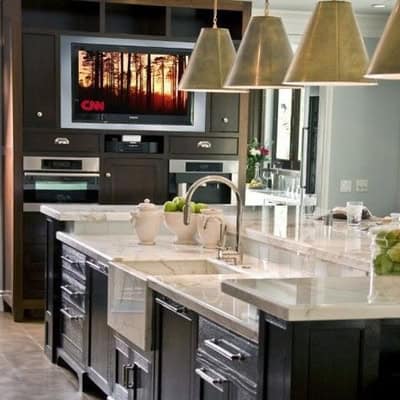
Wallpaper vs Paint for Kitchen Cabinets
Wallpaper and paint solve the same problem at very different price points and permanence levels, so the right choice depends on your situation:
| Factor | Peel and stick wallpaper | Painting cabinets |
|---|---|---|
| Cost | $30 to $100 DIY | $1,500 to $5,000 professional |
| Time | A weekend | 3 to 5 days |
| Durability | 2 to 5 years of normal use | 8 to 15 years |
| Removable | Yes, renter friendly | No |
| Patterns | Unlimited, including faux wood and marble | Solid colors only |
| Resale value | Neutral, buyers may remove it | Adds real value when done well |
The short version: wallpaper wins for renters, tight budgets, pattern lovers, and anyone testing a look. Paint or refacing wins for durability and resale. Many homeowners use cabinet wallpaper as the bridge, enjoying a fresh look now while saving for the permanent upgrade later.
The Best Wallpaper Types for Kitchens
Kitchens are the hardest room in the house on wallpaper, with heat, steam, grease, and splashes all working against it. Material choice matters more here than anywhere else:
- Vinyl wallpaper: The kitchen workhorse. Moisture resistant, scrubbable, and durable, it handles steam and the occasional splash without peeling or staining. The best all-around choice for kitchen walls.
- Peel and stick wallpaper: Removable, repositionable, and DIY friendly. The go-to for cabinets, renters, and accent projects. Quality varies widely by brand, so read reviews on adhesion before buying.
- Washable wallpaper: Coated papers rated for wiping with a damp cloth. Check the rating: spongeable, washable, and scrubbable are increasing levels of durability, and kitchens deserve washable or better.
- Textured wallpaper: Adds depth and hides imperfect walls, lovely on a dining side accent wall. Keep it away from cooking zones where texture traps grease.
- Fabric and grasscloth: Beautiful but absorbent, these belong only in kitchen-adjacent zones like a breakfast nook or butler’s pantry, never near the stove or sink.
One firm rule for any kitchen wallpaper: keep it out of the direct splash and heat zone behind the stove and sink. That territory belongs to tile, and pairing wallpaper walls with a proper tile backsplash gives you the best of both. Our guide to the best kitchen countertops helps you coordinate the surfaces that take the real abuse.
Kitchen Wallpaper Ideas by Area
Where you place wallpaper shapes the whole effect, and each spot in the kitchen calls for a different approach:
- Cabinet fronts: The trending favorite. Faux wood grain modernizes dated laminate, while bold color or pattern turns plain doors into the room’s feature.
- Accent wall: One papered wall, usually the dining side or the wall facing the entry, adds designer personality without overwhelming the room.
- Open shelving backdrop: Paper the wall behind open shelves and every dish suddenly looks styled. Small area, huge effect, minimal risk.
- Island base: Wrapping the island base in wallpaper creates a custom furniture look and defines the kitchen’s centerpiece. See our kitchen island guide for making the most of it.
- Pantry interior: The lowest risk, highest delight spot. A bold print inside the pantry or a cabinet interior surprises you every time you open the door.
- Above wainscoting or tile: Paper the upper portion of walls where splashes cannot reach, with durable surfaces below.

Kitchen Wallpaper Trends for 2026
Kitchen wallpaper in 2026 follows the same warm, natural direction as the rest of home design. Botanical prints lead, from subtle leaf patterns to bold oversized florals on a single accent wall. Warm earthy tones, terracotta, sage, ochre, and cream, are replacing the cool grays of past years. Faux natural textures are enormously popular for cabinets and islands, with convincing wood grain, marble, and rattan looks in peel and stick vinyl. Vintage and heritage patterns, including delicate trellis and toile designs, bring charm to farmhouse and transitional kitchens. And checkerboard and geometric prints are having a moment in pantries and breakfast nooks where a little playfulness belongs. The common thread is warmth and personality, used with restraint: one wallpapered surface per kitchen is the designer’s rule, letting the pattern be the star against calm surroundings. For the broader palette direction, see our 2026 design trends for Northern Virginia.
How to Choose the Right Kitchen Wallpaper
Choose kitchen wallpaper by matching the material to the location first, then the pattern to your kitchen’s style. Practical fit comes before beauty, because the loveliest paper fails fast in the wrong spot. Work through these decisions in order. Location: cabinets and high use walls need vinyl or quality peel and stick, while protected accent walls open up every material. Kitchen style: crisp geometric and marble looks suit modern kitchens, botanical and trellis prints suit transitional and farmhouse spaces, and heritage patterns suit traditional homes. Scale: large patterns need wall space to breathe and suit open kitchens, while small prints work in compact spaces without overwhelming them. Color: pull one tone from your existing counters, backsplash, or floors so the paper feels planned rather than added. Light: darker patterns absorb light, so north facing or windowless kitchens do better with lighter grounds. When in doubt, order samples and tape them up for a week, watching them in morning and evening light before committing.
Installation Tips for Kitchen Walls
Kitchen wall installation rewards preparation more than skill. Clean and degrease the walls first, since kitchen walls carry the same invisible grease film as cabinets. Fill holes and sand smooth, because wallpaper highlights bumps rather than hiding them. Start your first strip against a level line, not a corner, since corners in real houses are rarely straight. Match patterns at eye level where mismatches show most. Roll seams firmly and wipe adhesive promptly. For traditional pasted papers, a quality primer makes future removal dramatically easier, which your future self or your buyer will appreciate. And ventilate well while working, running the range hood and opening windows. If the job involves tricky angles, outlets, and long pattern repeats, a professional installer typically finishes a kitchen in a day for a few hundred dollars, and the seam quality shows.
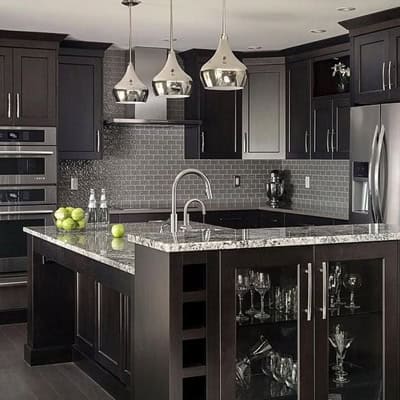
How Much Does Kitchen Wallpaper Cost?
Kitchen wallpaper is one of the least expensive transformations in home design, which is a large part of its appeal. Here is what to budget in the Northern Virginia market:
- Cabinet fronts, DIY peel and stick: $30 to $100 in vinyl for an average kitchen, plus a weekend of labor.
- Single accent wall, DIY: $50 to $200 in materials depending on the paper quality and wall size.
- Single accent wall, professionally installed: $300 to $800 including labor, more for designer papers with long pattern repeats.
- Premium and designer papers: $100 to $300 per roll for high end botanical and heritage prints, versus $25 to $60 per roll for quality mainstream vinyl.
- Small zones, pantry or shelf backdrop: Often a single roll, $25 to $75 total, the best value in the entire category.
Even the most ambitious wallpaper project costs less than almost any other kitchen update, which makes it the perfect first move while planning a larger renovation. For context on where wallpaper fits against bigger investments, our kitchen remodel cost guide lays out the full budget picture.
Caring for Wallpaper in a Kitchen
Kitchen wallpaper lasts years longer with a few simple habits. Run the range hood whenever you cook, since steam and airborne grease are what age kitchen wallpaper fastest. Wipe vinyl and washable papers monthly with a barely damp cloth and mild soap, always rubbing gently along the seams rather than across them. Attend to splatters promptly before they set, especially oil, which stains coated papers if left overnight. On wallpapered cabinets, press any lifting corner back immediately and add a dab of clear adhesive so it does not catch and tear. Keep a little leftover paper from the original roll, because patching a damaged section from the same batch is invisible, while a new batch may differ slightly in color. Treated this way, a quality vinyl installation looks fresh for a decade on walls and several years on hardworking cabinet fronts.
Common Kitchen Wallpaper Mistakes to Avoid
- Skipping the degrease: The number one cause of peeling corners on both walls and cabinets. Clean like you mean it.
- Papering the splash zone: No wallpaper survives directly behind a stove or sink. Use tile there and paper elsewhere.
- Cheap peel and stick on cabinets: Bargain vinyl lifts at the edges within months. Mid tier brands cost a few dollars more per roll and stay put.
- Wallpapering raised panel doors: Grooves and profiles fight the vinyl and telegraph through. Flat doors only.
- Too much pattern: Wallpapering every wall and the cabinets turns bold into busy. One feature surface per kitchen.
- Ignoring the light test: A sample that looks perfect in the store can feel oppressive on your wall. Live with samples for a week first.
Frequently Asked Questions About Kitchen Wallpaper
Can you put wallpaper on kitchen cabinets? Yes. Peel and stick vinyl wallpaper works well on smooth, flat cabinet doors and drawer fronts. Remove the doors, degrease thoroughly, apply carefully, and trim flush. It costs $30 to $100 for an average kitchen and is fully removable.
How long does peel and stick wallpaper last on cabinets? With proper prep on smooth doors, 2 to 5 years of normal use. Edges near handles and the stove wear first. Quality brands and thorough degreasing during installation make the biggest difference in lifespan.
Is wallpaper OK in a kitchen with steam and moisture? Yes, if you choose vinyl or washable rated wallpaper and keep it out of the direct splash zone behind the stove and sink. Good ventilation and a proper tile backsplash handle the moisture wallpaper cannot.
What is the best wallpaper for kitchen walls? Scrubbable vinyl wallpaper is the most durable choice for kitchen walls. It resists moisture and grease and wipes clean, which papers without a vinyl coating cannot do.
Is wallpapering cabinets cheaper than painting them? Much cheaper up front: $30 to $100 in vinyl versus $3,000 to $8,000 for professional painting. Paint lasts far longer and adds more resale value, so wallpaper is the budget or temporary option and paint is the investment option.
Does kitchen wallpaper hurt resale value? A tasteful accent wall in good condition does not hurt and can help a kitchen photograph memorably. Very bold or worn wallpaper can turn buyers off, so refresh or remove tired paper before listing.
What kind of cabinets can you wallpaper? Flat, smooth doors work best: slab doors, smooth laminate, and thermofoil all take vinyl cleanly. Raised panel, grooved, and heavily textured doors fight the material and show every contour, so paint or refacing suits those styles better.
Can you remove peel and stick wallpaper from cabinets without damage? Yes, that is its main advantage. Warm the vinyl gently with a hair dryer and peel slowly at a low angle, and it releases cleanly from sealed surfaces. Any adhesive residue wipes away with mild soapy water.
EA Home Design · Fairfax & Loudoun County
Refreshing the kitchen? From cabinet updates to full remodels, we design and build kitchens across Fairfax and Loudoun County. The design consultation is free.
Book a Free In Home Design Consultation or call (703) 687-1818
Related guides: bedroom accent wall ideas. Explore our see your kitchen remodeled from a photo.
Give Your Kitchen a New Look, With or Without Wallpaper
Wallpaper is the fastest route to a kitchen with personality: vinyl on the cabinets for a weekend transformation, a botanical accent wall for designer character, or a bold pantry interior just for you. Choose moisture resistant materials, keep the splash zone tiled, and let one surface carry the pattern. And when a surface refresh is no longer enough, that is where we come in. EA Home Design creates complete kitchen transformations for Fairfax and Loudoun County homeowners, from new cabinetry to full remodels, always with a 3D rendering before any work begins. Explore our kitchen remodeling services in Virginia to see what your kitchen could become.