Yes, you can renovate a historic home in Northern Virginia, and in most cases you have far more freedom than homeowners expect. Interior remodeling is almost never restricted, exterior changes need review only if your home sits in one of the region’s designated historic districts, and Virginia will refund 25 percent of qualifying rehabilitation costs through a state tax credit. The real challenges are practical, not legal: older wiring and plumbing, materials that must be matched rather than replaced, and finding a remodeler who respects what makes the house worth keeping. This guide covers the rules in Fairfax and Loudoun County, the tax credit, realistic costs, and how to modernize a century old home without erasing its character.
What Counts as a Historic Home in Northern Virginia?
“Historic” means three different things depending on who is saying it, and the differences decide what rules apply to your renovation:
- National Register and Virginia Landmarks Register listings: These are honorary designations. On their own they impose no restrictions on what a private owner can do with the property, but they unlock the state tax credit discussed below.
- Local historic district designation: This is the one with teeth. If your home sits inside a county or town historic district, exterior changes visible from a public way require approval before you build.
- Simply old: A 1920s farmhouse outside any district is just an old house. You can renovate it however local building codes allow, though the practical challenges of old construction still apply.
Most owners of older homes in Fairfax and Loudoun County fall into the third category, which means their renovation is governed by the same permits as any other project. If you are unsure of your status, both counties publish district maps, and a title search or a call to the planning department settles it in minutes.
The Rules: Who Reviews What in Fairfax and Loudoun
Each jurisdiction runs its own review body with its own procedures. Here is the landscape across the areas we serve:
| Jurisdiction | Districts | Who reviews | What you need |
|---|---|---|---|
| Fairfax County | 15 Historic Overlay Districts | Architectural Review Board (ARB) | ARB approval for exterior changes, each district has its own design guidelines |
| Loudoun County | 6 districts: Waterford, Aldie, Bluemont, Oatlands, Taylorstown, Goose Creek | Historic District Review Committee (HDRC) | Certificate of Appropriateness for exterior work, reviewed at monthly meetings |
| Town of Leesburg | Old and Historic District (H-1) and gateway corridors (H-2) | Board of Architectural Review (BAR) | Town approval before county building permits |
| Historic towns (Middleburg, Purcellville and others) | Town historic districts | Town review boards | Town specific certificate before construction |
Two details make this less intimidating than it sounds. First, minor work can often be approved administratively by staff without waiting for a board meeting. Second, the boards are not there to stop your project. The overwhelming majority of applications are approved, usually with modest adjustments to materials or details. Loudoun’s HDRC, for example, meets the second Monday of every month, so a well prepared application adds weeks to your timeline, not months. Build that into your permit planning from the start.
What You Can and Cannot Change
The single most misunderstood fact about historic home renovation: district rules govern the exterior, not the interior. Inside your own walls you can gut the kitchen, move bathrooms, open floor plans, and install any modern system you want, in a Fairfax overlay district or in the middle of Waterford, without any historic review at all. Standard building permits still apply, but no board weighs in on your countertops.
Exterior work visible from a public street is where review kicks in. Expect scrutiny on window replacement (repair or match originals rather than swap in vinyl), doors, rooflines and roofing materials, siding, porches, fences, and any addition or demolition. The guiding principle used by every board in the region is compatibility: new work should be recognizably of its own time yet respectful of the original in scale, materials, and rhythm. Paint colors, in most Northern Virginia districts, are more lightly regulated than people fear, and ordinary maintenance needs no approval at all.
The 25 Percent Virginia Tax Credit Most Owners Never Claim
Virginia’s Historic Rehabilitation Tax Credit is the best kept secret in old house renovation. The state returns 25 percent of eligible rehabilitation expenses as a credit against your Virginia income tax when you rehabilitate a certified historic structure, and unlike the federal version, the Virginia credit is available for owner occupied homes, not just income producing buildings.
The qualifying rules, administered by the Virginia Department of Historic Resources, come down to three tests. The building must be a certified historic structure, meaning individually listed on the Virginia Landmarks Register or a contributing structure in a listed district. Your spending must clear a materiality threshold: for owner occupied homes, eligible expenses must exceed 25 percent of the building’s assessed value (the building alone, not the land) for the year before work began. And the work itself must follow rehabilitation standards, which generally means repairing rather than replacing historic fabric where practical. On a $200,000 whole house rehabilitation, the credit is worth $50,000, which is not a rounding error. The paperwork runs through a multi part application to DHR, and it must be started before or during the work, not after, so raise it with your remodeler in the first conversation.
What Historic Home Renovation Costs
Plan on a premium of roughly 15 to 30 percent over the same project in a modern home. The premium is not bureaucracy, it is craft: matching true divided light windows, milling trim profiles that have not been stocked since 1940, working around plaster instead of drywall, and correcting what previous decades of “improvements” did to the structure. Typical Northern Virginia ranges:
| Project in a historic home | Typical range | The historic premium comes from |
|---|---|---|
| Kitchen remodel | $90,000 to $180,000 | Plaster walls, uneven floors, hidden systems, custom cabinetry to fit old dimensions |
| Bathroom remodel | $40,000 to $90,000 | Rerouting antique plumbing, reinforcing floor structure, period appropriate fixtures |
| Rear addition | $250,000 to $500,000+ | Design review, foundation work beside old footings, material matching |
| Full systems update (electrical, plumbing, HVAC) | $60,000 to $150,000 | Fishing new lines through plaster and timber framing without destroying finishes |
| Window restoration (whole house) | $40,000 to $100,000 | Restoring sashes and adding storm windows rather than replacement units |
Always carry a contingency of 15 to 20 percent instead of the standard 10. Old houses keep secrets, and the wall you open is the wall that has the surprise in it. The tax credit, when your project qualifies, effectively refunds a quarter of these numbers, which frequently turns the historic premium into a discount.
The Big Four Problems Hiding in Old Northern Virginia Homes
Four issues show up over and over in pre war and early postwar homes across Fairfax and Loudoun, and a renovation budget that ignores them is a fictional document:
- Electrical: Knob and tube wiring, undersized panels, and decades of amateur splices. A whole house rewire is routine in homes older than the 1950s and belongs in the budget from day one.
- Plumbing: Galvanized steel supply lines that have narrowed to a whisper and cast iron drains at the end of their life. Replace them while walls are open, never after.
- Structure: Stone foundations that need repointing, undersized framing sagging under later loads, and previous renovations that removed things they should not have.
- Hazardous materials: Homes built before 1978 must be treated as containing lead paint, and many older homes hide asbestos in flooring, insulation, and duct wrap. Testing costs little; discovering these mid demolition costs a lot.
Adding On to a Historic Home
Additions are entirely achievable in historic districts, and they follow a well worn playbook that review boards across the region consistently approve. Go to the rear, not the front. Keep the addition subordinate: lower rooflines and a smaller footprint than the original block. Connect through a modest linking element, the “hyphen” in preservation language, so the original silhouette stays legible. And let the addition be quietly of its own era rather than a costume copy, which boards often prefer to imitation. This is exactly the approach we detail in our Loudoun County home additions guide, where several of the county’s most rewarding addition projects sit in and around its historic villages. For structurally ambitious designs, it also pays to know what an architect costs before choosing between the traditional path and design build.
Kitchens and Baths: Where Old Houses Earn Modern Comfort
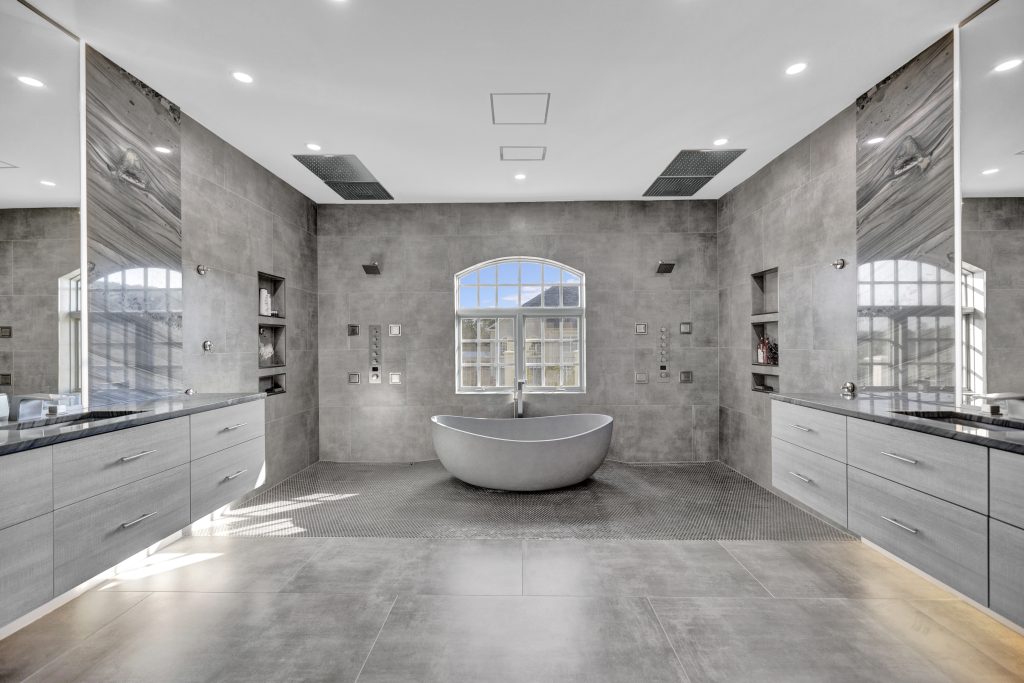
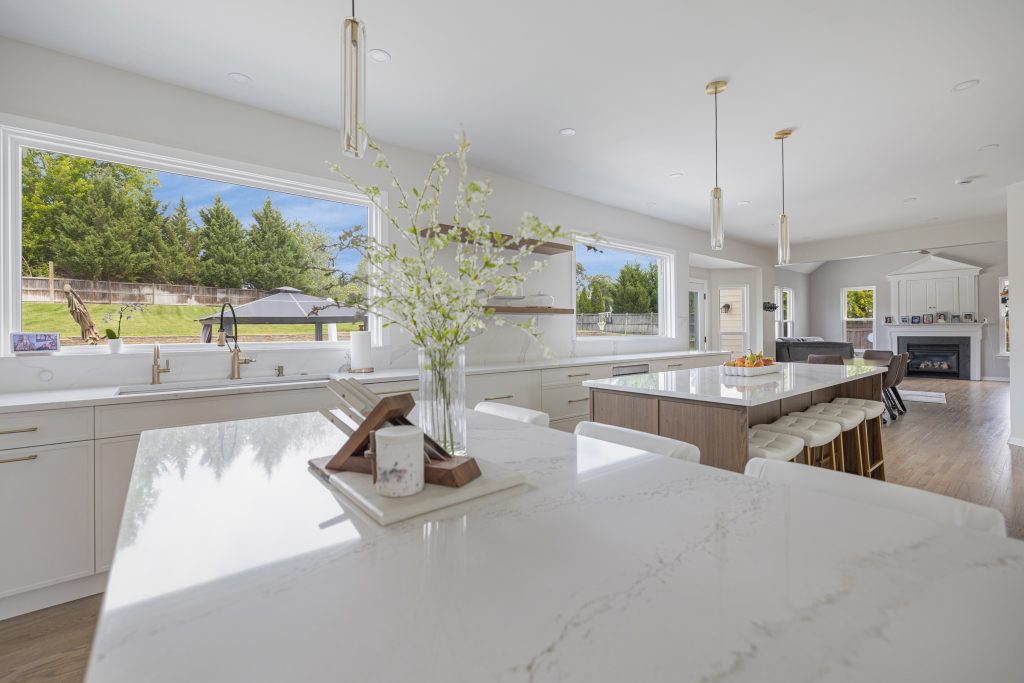
Because interiors are unregulated, kitchens and bathrooms are where historic homeowners get full modern function with zero board involvement. The craft is in the blend: inset shaker cabinetry, unlacquered brass, marble and soapstone, and freestanding tubs read as native to a 1910 house while concealing dishwashers, induction ranges, and heated floors. The same principles in our timeless bathroom design guide apply doubly here, since a trend chasing renovation looks more jarring against century old bones than anywhere else. For layout and budget planning, our kitchen remodel cost guide covers the numbers, and the historic premium above tells you how to adjust them.
Vintage Meets Modern: Getting the Mix Right
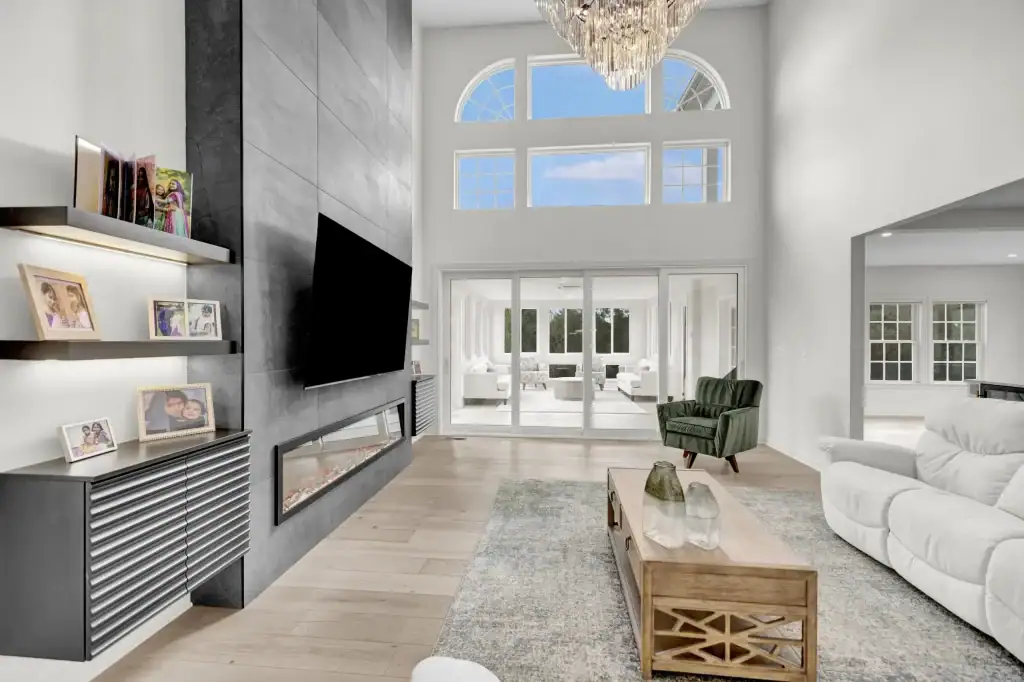
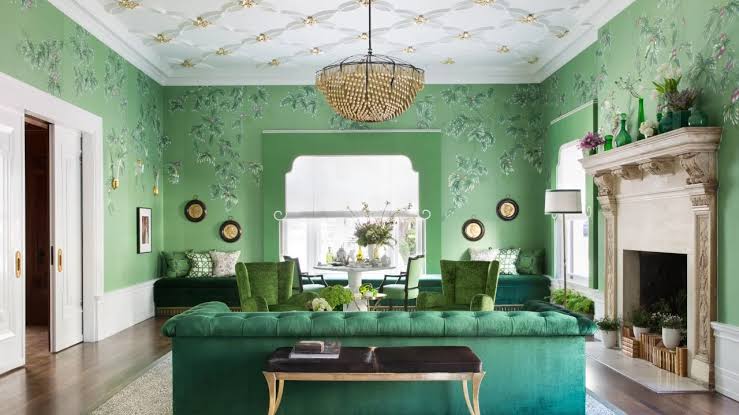
The most successful historic renovations in Northern Virginia are not museums, they are conversations between eras. A few principles keep the mix intentional instead of confused. Preserve the irreplaceable: original floors, mantels, stair parts, trim, and doors are the things no budget can buy back once gone. Modernize the invisible: systems, insulation where it will not trap moisture in old walls, and lighting can be thoroughly contemporary without touching character. Let contrast be honest: a frankly modern kitchen inside a Victorian shell often works better than a halfway pastiche, because each era gets to be fully itself. And repeat old details in new work, a trim profile, an arch, a hardware finish, so additions feel related rather than attached. When clients ask us for “vintage meets modern,” this is the discipline behind it: decide room by room which era leads, and never let both shout at once.
Bringing Vintage and Retro Elements Into a Modern Room
The same rule works in reverse, in a new or newly remodeled house that wants some age. Start with one or two statement pieces with real history, a mid century chair, an antique mirror, a vintage light fixture, and let the rest of the room stay contemporary; a vintage dining table under modern chairs reads as intentional, a room of matched antiques reads as a set. Use retro pattern and color sparingly and at scale, a single papered wall, a checkerboard floor in a mudroom, one piece of furniture in a period color, rather than scattered across cushions. In kitchens and baths the vintage note is usually a material: period tile, unlacquered brass that will darken, a fluted glass pendant, a cast iron sink. Lighting is the cheapest place to set the mood and the easiest to change back. The line to hold is function: the retro range or the salvaged sink should work like a modern one, or it belongs in the dining room as decoration rather than in the kitchen as equipment.
Choosing a Remodeler for a Historic Home
Historic work punishes the wrong contractor faster than any other project type. Beyond the basics that apply to any hire, a Class A Virginia license and strong local references, ask three specific questions. Have you taken a project through the ARB, HDRC, or a town review board, and can I see it? How do you handle discovery, meaning the surprises behind old plaster, in your contract and pricing? And who on your team has actually worked with plaster, old growth framing, and window restoration rather than just demolition and replacement? Our guide to choosing a remodeling company in Northern Virginia covers the vetting fundamentals; for historic homes, weight experience over price more heavily than you would anywhere else, because the cheap bid on an old house is the expensive one.
Windows: The Battleground Issue
No topic generates more friction between owners and review boards than windows, so it deserves its own plan. Replacement vinyl windows are the fastest way to get an application denied in any Northern Virginia historic district, and honestly, the fastest way to cheapen an old house even outside one. The approvable path is restoration: original wood sashes can almost always be repaired, reweighted, and weatherstripped, and paired with an interior or exterior storm window they match the energy performance of a mid grade replacement unit while lasting decades longer. Where sashes are truly gone, boards generally accept true divided light wood or aluminum clad wood units matched to the original pattern. Budget honestly here, because window work is skilled labor, but remember two things: it is exactly the kind of expense the 25 percent state credit reimburses, and it is the single most visible determinant of whether a renovated old house still looks like itself.
Insulating an Old House Without Wrecking It
Old houses were built to breathe, and the most expensive mistakes we see are energy retrofits that ignored that. Dense packing walls or spraying closed cell foam against old sheathing can trap moisture in assemblies that survived a century by drying freely, and the rot that follows is invisible until it is structural. The safe sequence starts where the physics pay best: air seal and insulate the attic, insulate the basement or crawlspace rim joists, weatherstrip doors and restored windows, and only then consider wall insulation, with an assessment of how the specific wall assembly dries. Done in that order, most older Northern Virginia homes cut energy use dramatically without touching plaster. Our guide to energy efficient remodeling covers the broader toolkit; in a historic home, the rule is simply that comfort upgrades must never cost the building its ability to dry.
Frequently Asked Questions
Can you renovate a historic home? Yes. Interior renovations face no historic restrictions anywhere in Northern Virginia. Exterior changes need review only if the home sits in a designated local historic district, and the large majority of applications are approved, typically with minor adjustments.
Do I need permission to remodel the inside of a historic house? No historic approval is required for interior work, even in Fairfax overlay districts or Loudoun’s historic villages. You need only the standard building permits any remodel requires.
What is the Virginia historic tax credit worth? 25 percent of eligible rehabilitation expenses, refunded as a state income tax credit. For owner occupied homes, spending must exceed 25 percent of the building’s assessed value, and the application must run through the Department of Historic Resources starting before the work does.
How long does historic district approval take? Loudoun’s HDRC meets monthly, and Fairfax’s ARB runs on a similar cadence, so plan for roughly four to eight weeks from application to approval for exterior work. Minor projects often qualify for faster administrative approval by staff.
Does historic designation hurt resale value? The evidence generally points the other way. District protections stabilize neighborhood character, and buyers pay premiums for well renovated homes in places like Waterford, Middleburg, and Leesburg’s Old and Historic District precisely because the setting cannot be undone next door.
Can I put an addition on a historic home? Yes, and boards approve them regularly. The formula that succeeds: locate it at the rear, keep it subordinate in height and mass, connect it with a modest link, and design it to be compatible with, rather than a copy of, the original.
Renovate the History, Keep the Home
A historic home in Northern Virginia is not a burden to work around. It is an asset with rules that are navigable, a tax credit that meaningfully offsets costs, and character that no new build can replicate. The projects that go wrong are the ones that treat the house as an obstacle; the ones that go right start with a team that has stood in front of a review board before and knows what lives behind hundred year old plaster. EA Home Design is a Class A licensed design build firm serving Fairfax and Loudoun County, including their historic districts and villages. If you are planning to renovate an older or historic home, schedule a consultation and we will walk the house with you, credit paperwork and all.