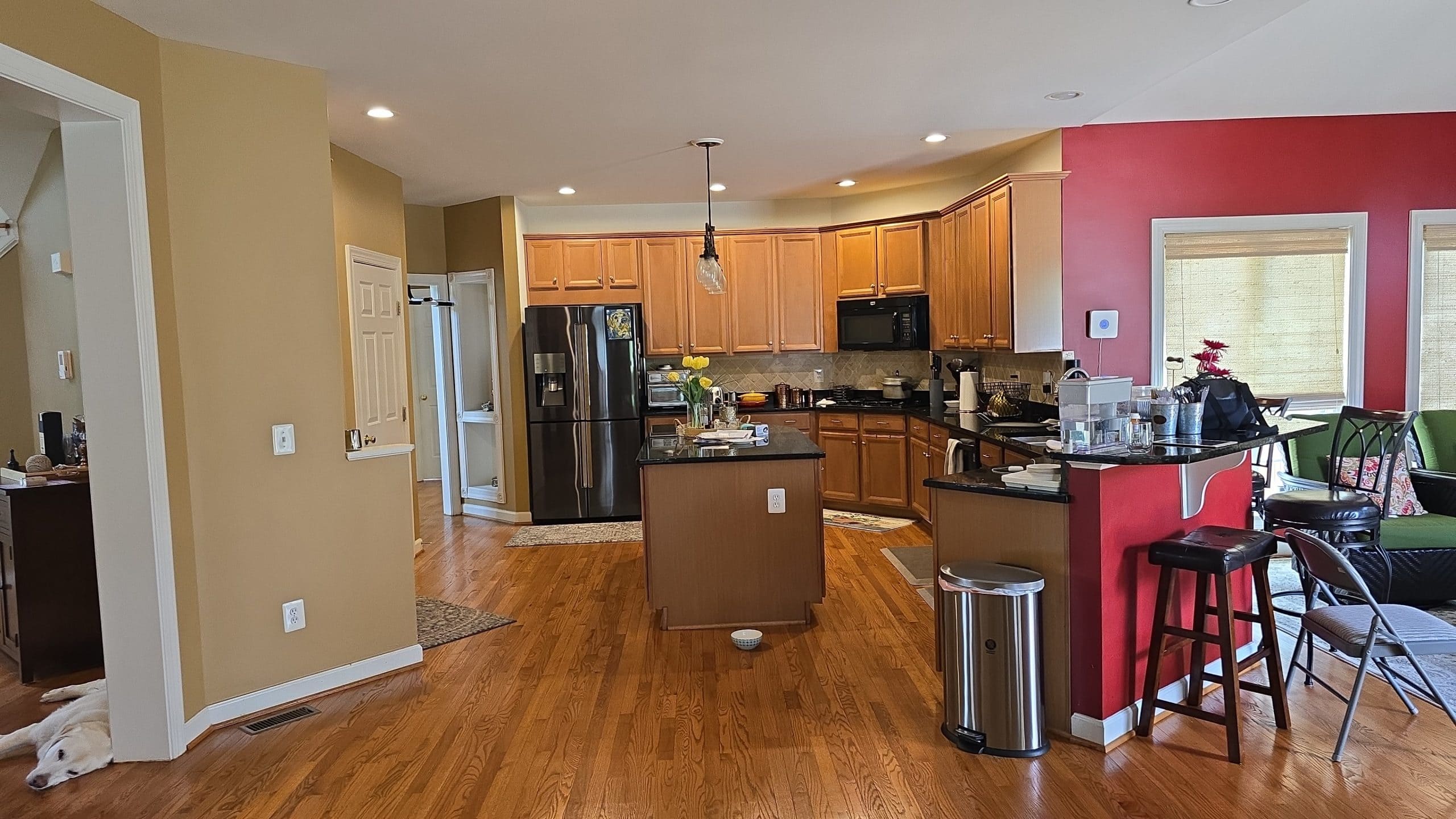
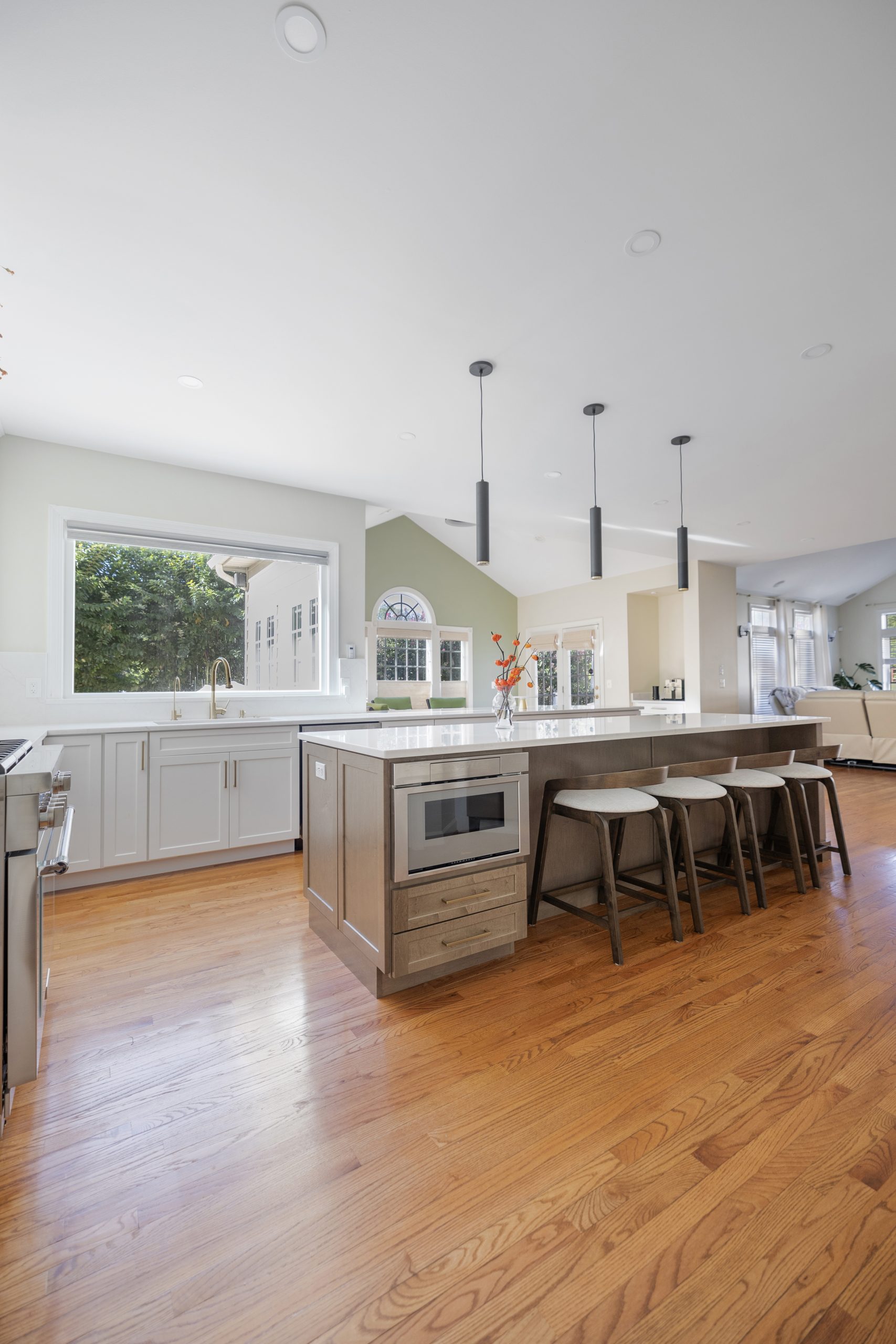
The best kitchen appliance brand depends entirely on your tier. In the luxury bracket, Sub-Zero and Wolf, Thermador, and Miele lead on build quality and integration. In the premium mainstream, Bosch dishwashers, GE Cafe ranges, and Fisher & Paykel refrigeration deliver most of the luxury experience for half the money. In the value bracket, GE and Whirlpool remain the dependable workhorses. We are a design build remodeling firm, not an appliance store, which means we do not sell you any of these brands; we install them in Northern Virginia kitchens, design cabinetry around them, and hear about them from clients for years afterward. This guide ranks the brands the way a remodeler sees them: by fit, reliability, serviceability, and whether they still look right a decade after the invoice. For a finished example, our McLean kitchen case study shows panel-ready appliances set into custom cabinetry, and our kitchen remodeling in Northern Virginia page covers how our in-house team designs and builds the kitchen around them.
Kitchen Appliance Brand Tier List for 2026
The whole guide in one table. The tiers are set by build quality, integration and, above all, how the brand behaves after the installer leaves: parts, service coverage in Fairfax and Loudoun County, and how the finishes age. Package prices are for a standard suite of refrigerator, range or cooktop and wall oven, dishwasher, microwave or speed oven and ventilation, delivered and installed, and they match the appliance bands in our kitchen remodel cost guide.
| Tier | Brands | Full package, installed, 2026 | Who it is for | Service in Northern Virginia |
|---|---|---|---|---|
| Tier 1: luxury built in | Sub-Zero, Wolf and Cove; Gaggenau; Miele; Thermador; JennAir; Monogram | $40,000 to $100,000 and up | Kitchens in price brackets where buyers expect the tier, and owners who cook enough to use the performance | Factory trained networks; twenty year old units are serviced as normal; parts stocked |
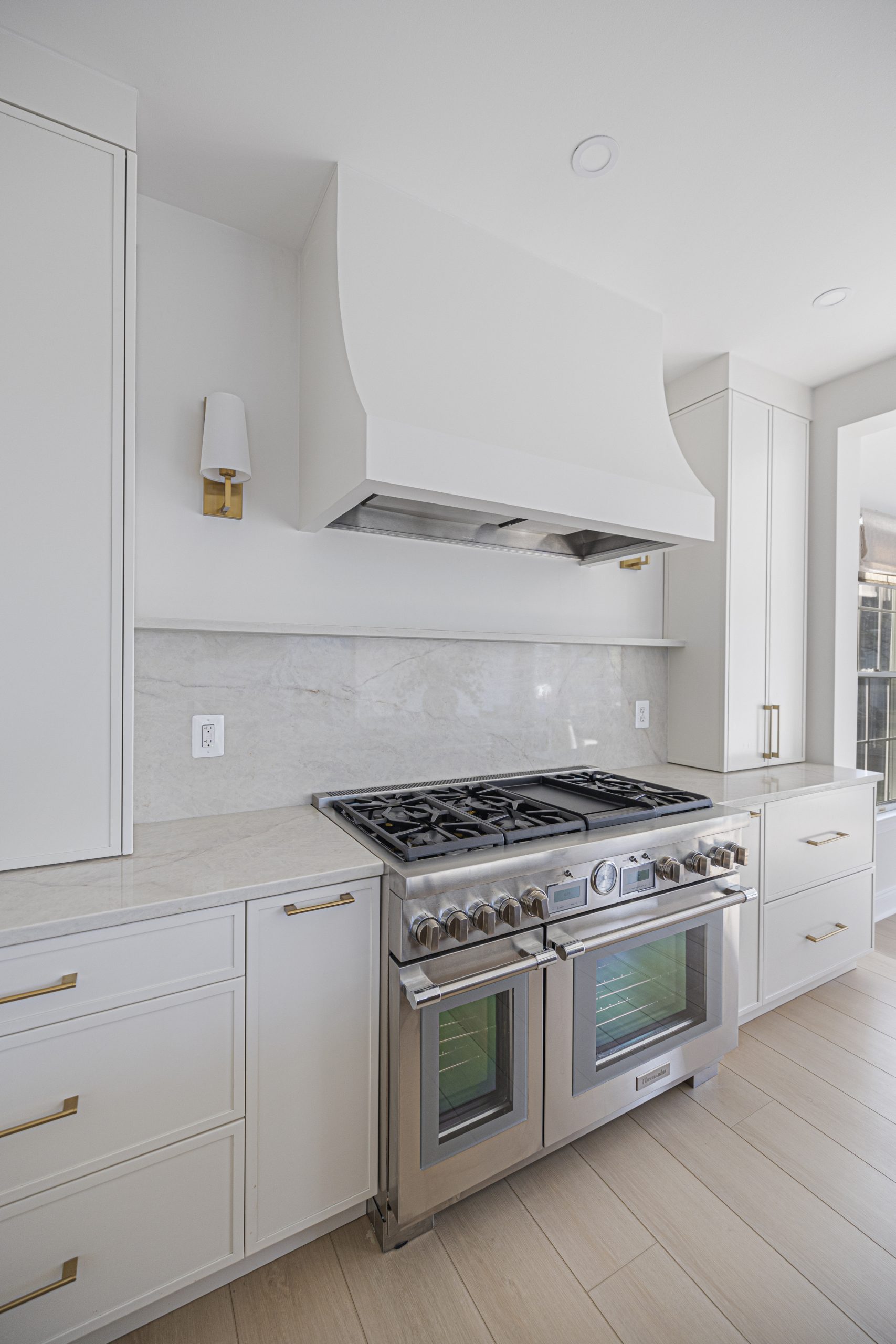
| Tier 2: premium mainstream | Bosch; GE Cafe; KitchenAid; Fisher and Paykel; GE Profile; Dacor | $15,000 to $35,000 | Most of our clients: a full remodel, a family that cooks, a kitchen that has to look right for fifteen years | Broad and fast; Bosch and the Whirlpool family are the easiest calls in the region |
| Tier 3: value | GE; Whirlpool; Maytag; Frigidaire Gallery; LG; Samsung | $8,000 to $15,000 | Rental units, hard working family kitchens, a refresh that keeps the cabinets | GE and Whirlpool painless; LG and Samsung slower on parts and fewer independent technicians |
| Tier 4: budget professional look | ZLINE; Forno; Thor Kitchen; Hallman; Cosmo | $6,000 to $15,000 | A flip, or a tight budget with a big visual ambition | Thin: parts and qualified technicians are the risk, not the styling |
Two readings of the table save the most money. First, the dishwasher is bought one tier up from the rest of the package in every kitchen we design, because it runs daily and announces itself when it is cheap. Second, Tier 2 delivers about ninety percent of the daily experience of Tier 1 at half the spend, and the difference funds the cabinetry you touch far more often.
How a Remodeler Judges Appliance Brands
Review sites rank appliances by features. We rank them by what happens after installation, and that changes the list:
- Service network: The best appliance is the one someone in Fairfax County can actually repair. Brands with strong local service coverage outrank flashier brands whose parts take six weeks.
- Dimensional honesty: Cabinetry is built to the sixteenth of an inch. Brands with consistent, well documented specs make custom kitchens easier; brands that vary between model years cause the gaps you see in other people’s kitchens.
- Panel readiness: More of our projects panel the refrigerator and dishwasher every year. Brands with deep panel ready lineups earn a place in high end designs that others cannot.
- Package logic: Most kitchens buy one brand family for looks and rebates. A brand is only as strong as its weakest appliance in the package.
- Ten year appearance: Handles, control panels, and finishes date a kitchen as much as cabinet styles do. Restrained design outlasts feature theater.
The Luxury Tier: Built In, Built to Last
Sub-Zero, Wolf, and Cove
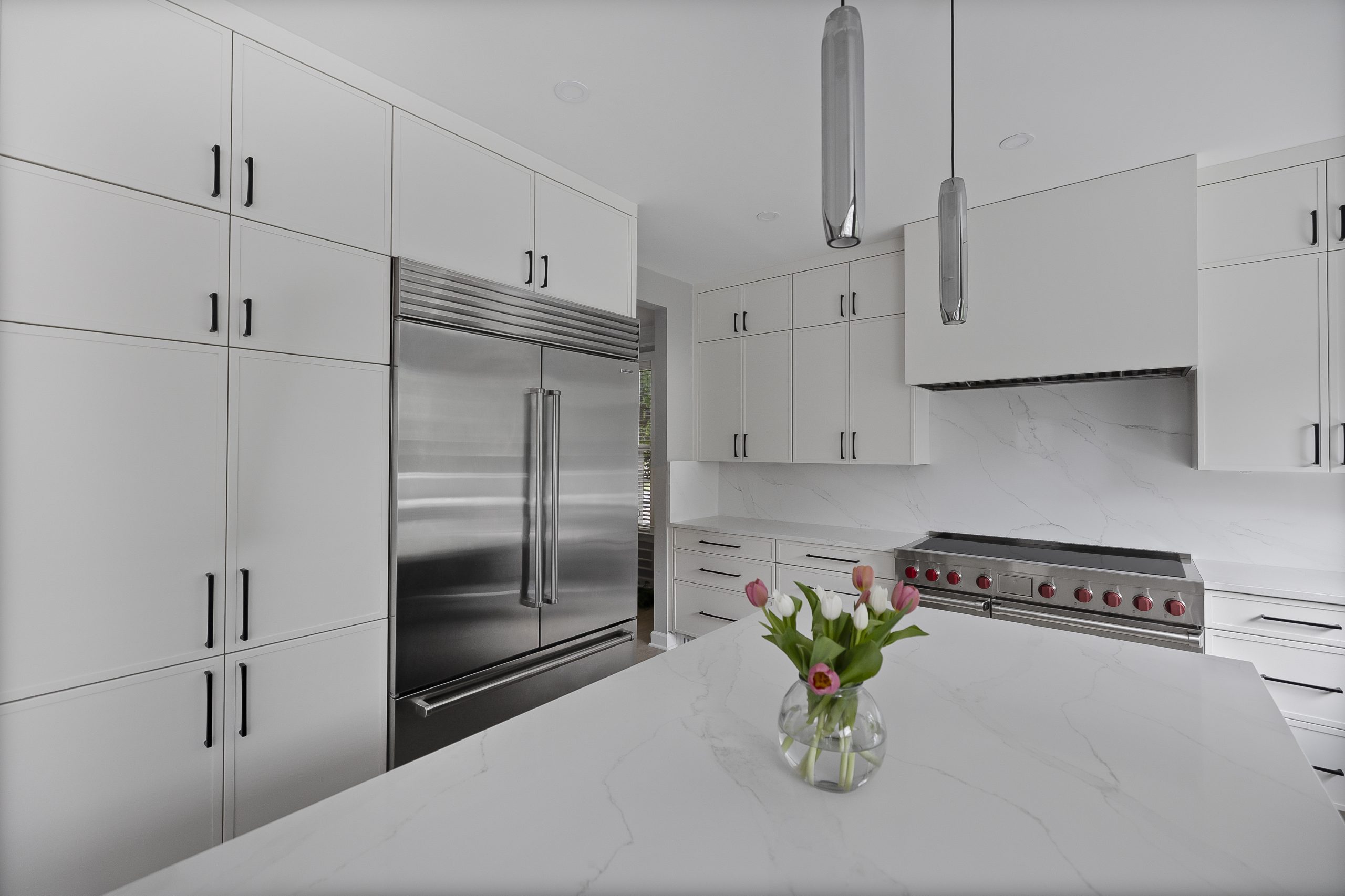
The reference standard, and honestly earned. Sub-Zero built in refrigeration, Wolf ranges, and Cove dishwashers are engineered as a family, made in the United States, and supported by a service network that treats twenty year old units as normal. Sub-Zero’s dual compressor design and vacuum sealed door remain the benchmark for food preservation, and a red knobbed Wolf range is the single most requested appliance in our luxury projects. Cost is the only argument against them, and resale largely answers it: in the price bracket where buyers expect this tier, its absence is noticed.

Thermador
Bosch’s luxury marque and the value play within the luxury tier. Column refrigeration, strong pro ranges with the Star Burner design, and the industry’s most aggressive package program, which frequently includes a dishwasher when you buy the range and refrigeration. For clients who want the built in look and performance without Sub-Zero pricing, Thermador is usually our first alternative quote.
Miele
The German engineering answer, strongest where precision matters: dishwashers that are the quietest and most thoughtfully racked we install, superb wall ovens and steam ovens, and elegant integrated refrigeration. Miele tests its appliances to a twenty year service life and it shows. The lineup leans European in scale, which suits sleek contemporary kitchens especially well.
JennAir and Monogram
The American luxury challengers. JennAir brings bold design and strong column refrigeration; Monogram, GE’s flagship, delivers statement ranges and excellent built ins with the reach of GE’s service network behind them. Both price below Sub-Zero and Wolf and both have raised their game meaningfully in the last five years. Gaggenau sits above this whole tier for architectural kitchens with commensurate budgets.
The Premium Mainstream: Where Most Smart Money Lands
Bosch
The premium mainstream’s anchor. Bosch dishwashers, particularly the 500 and 800 series, are the most reliable appliance we install at any price, quiet enough that the indicator light exists to tell you they are running. The refrigeration and cooking lines are clean lined, counter depth friendly, and consistently specified. If a client asks for one safe brand decision in the whole kitchen, it is a Bosch dishwasher.
GE Cafe
The style play: matte white and matte black finishes with swappable brass, copper, or black hardware that coordinates with cabinet pulls, backed by ordinary GE dependability and service. Cafe made customizable appliance finishes a mainstream option, and in kitchens built around warm metals it often beats stainless everything on looks alone.
KitchenAid
The enthusiast cook’s mainstream brand, strongest in ranges and wall ovens with genuinely useful capacity and even baking. Owned by Whirlpool, so parts and service are everywhere. The commercial styled ranges deliver much of the pro look at a fraction of pro pricing.
Fisher & Paykel
The quiet sophisticate from New Zealand: excellent counter depth and integrated refrigeration, the original drawer dishwasher, and a minimalist design language that suits panel heavy kitchens. Less brand recognition at resale than the names above, better integration flexibility than most of them.
The Value Tier: Dependable Foundations
GE is the value tier’s quiet winner: honest specs, broad availability, and the region’s most painless service coverage. Whirlpool and Maytag remain the fix it with a screwdriver brands, mechanically simple and parts rich, ideal for rental units and hard working family kitchens. LG and Samsung earn their popularity on features and price, beautiful screens, flexible zones, clever ice makers, with one honest caveat from the field: independent service technicians in our region are more reluctant to work on them, and parts waits run longer than the domestic brands. Buy them for the features with eyes open about the service equation, and consider the extended warranty you would skip elsewhere.
The Budget Pro Look Brands: A Caution
A newer category deserves a frank word: the budget professional style brands, ZLINE, Forno, Hallman and similar, that deliver the 48 inch range look at a fraction of Wolf pricing. The styling is genuinely convincing and for a flip or a tight budget with big visual ambitions they can make sense. Our caution comes from the service side: parts availability and qualified local technicians are thinner than for any brand above, and a pro look range that cannot be repaired quickly is an expensive sculpture. If the budget stops short of the established luxury tier, our experience says a top mainstream range plus a custom hood surround photographs nearly as well and lives far more reliably.
Brand Comparison at a Glance
| Brand | Tier | Strongest at | Watch for |
|---|---|---|---|
| Sub-Zero / Wolf | Luxury | Refrigeration, pro ranges, longevity | Price of entry |
| Thermador | Luxury | Package value, columns, cooktops | Promotions drive the math |
| Miele | Luxury | Dishwashers, ovens, integration | European sizing |
| JennAir / Monogram | Luxury | Design statements, columns | Less resale cachet than Sub-Zero |
| Bosch | Premium | Dishwashers, quiet reliability | Conservative styling |
| GE Cafe | Premium | Custom finishes, warm metals | Trend exposure on bold finishes |
| KitchenAid | Premium | Ranges and ovens for real cooks | Refrigeration is merely fine |
| Fisher & Paykel | Premium | Integrated and counter depth refrigeration | Lower brand recognition |
| GE / Whirlpool / Maytag | Value | Dependability, easy service | Few design moments |
| LG / Samsung | Value | Features and pricing | Regional service and parts waits |
What a Full Appliance Package Costs in 2026
For a standard suite, refrigerator, range or cooktop and wall oven, dishwasher, microwave or speed oven, and ventilation, Northern Virginia budgets cluster in three bands. A value package runs $8,000 to $15,000. A premium mainstream package, the Bosch and Cafe territory where most of our clients land, runs $15,000 to $35,000. A luxury built in package starts around $40,000 and passes $100,000 once 48 inch ranges, columns, and specialty units enter. In a full remodel, appliances typically absorb 10 to 20 percent of the project, a share worth planning deliberately inside your overall kitchen remodel budget. One sequencing note that saves real money: appliance specs must be final before cabinetry is ordered, because cabinets are built around exact appliance dimensions, and a mid project brand switch is a change order, not a swap.
The Best Kitchen Appliance Packages for 2026, Built Three Ways
A package is more useful than a brand ranking, because nobody buys a brand; they buy a refrigerator, a range, a dishwasher, a hood and a microwave that have to look and work like a set. These are the three packages we specify most often in Northern Virginia kitchens, with 2026 prices delivered and installed. Swap any line for its neighbor in the same tier and the total holds.
The Value Package: $8,000 to $15,000
| Appliance | Our picks | 2026 price, installed |
|---|---|---|
| Refrigerator, counter depth French door | GE Profile, Whirlpool, Frigidaire Gallery | $2,200 to $3,800 |
| Range, 30 inch slide in, gas or induction | GE, Whirlpool, Frigidaire Gallery | $1,300 to $2,800 |
| Dishwasher | Bosch 300 series, GE, Whirlpool | $800 to $1,300 |
| Microwave, over the range or countertop | GE, Whirlpool | $350 to $800 |
| Ventilation, 30 inch under cabinet hood, ducted out | Broan, Zephyr | $500 to $1,500 with the duct run |
| Delivery, hookups, haul away | $600 to $1,500 | |
| Package total | $8,000 to $15,000 with tax and extras |
The value package is the right answer for a refresh that keeps the cabinets, a rental, or a kitchen where the money is going into the layout instead. It is also the package in our 10 by 10 kitchen cost guide, where a 30 inch range and a counter depth refrigerator are the only sizes that fit.
The Premium Mainstream Package: $15,000 to $35,000
| Appliance | Our picks | 2026 price, installed |
|---|---|---|
| Refrigerator, counter depth French door or integrated | Bosch 800, GE Cafe, Fisher and Paykel | $3,500 to $7,000 |
| Range, 36 inch dual fuel or induction, or cooktop plus wall oven | GE Cafe, KitchenAid, Bosch | $4,000 to $9,000 |
| Dishwasher | Bosch 800, Miele G5000 | $1,300 to $2,200 |
| Speed oven or microwave drawer | Bosch, GE Cafe, Sharp drawer | $1,200 to $3,000 |
| Ventilation, 36 inch hood insert with blower, ducted out | Zephyr, Best, Vent-A-Hood | $1,500 to $3,500 with the duct run |
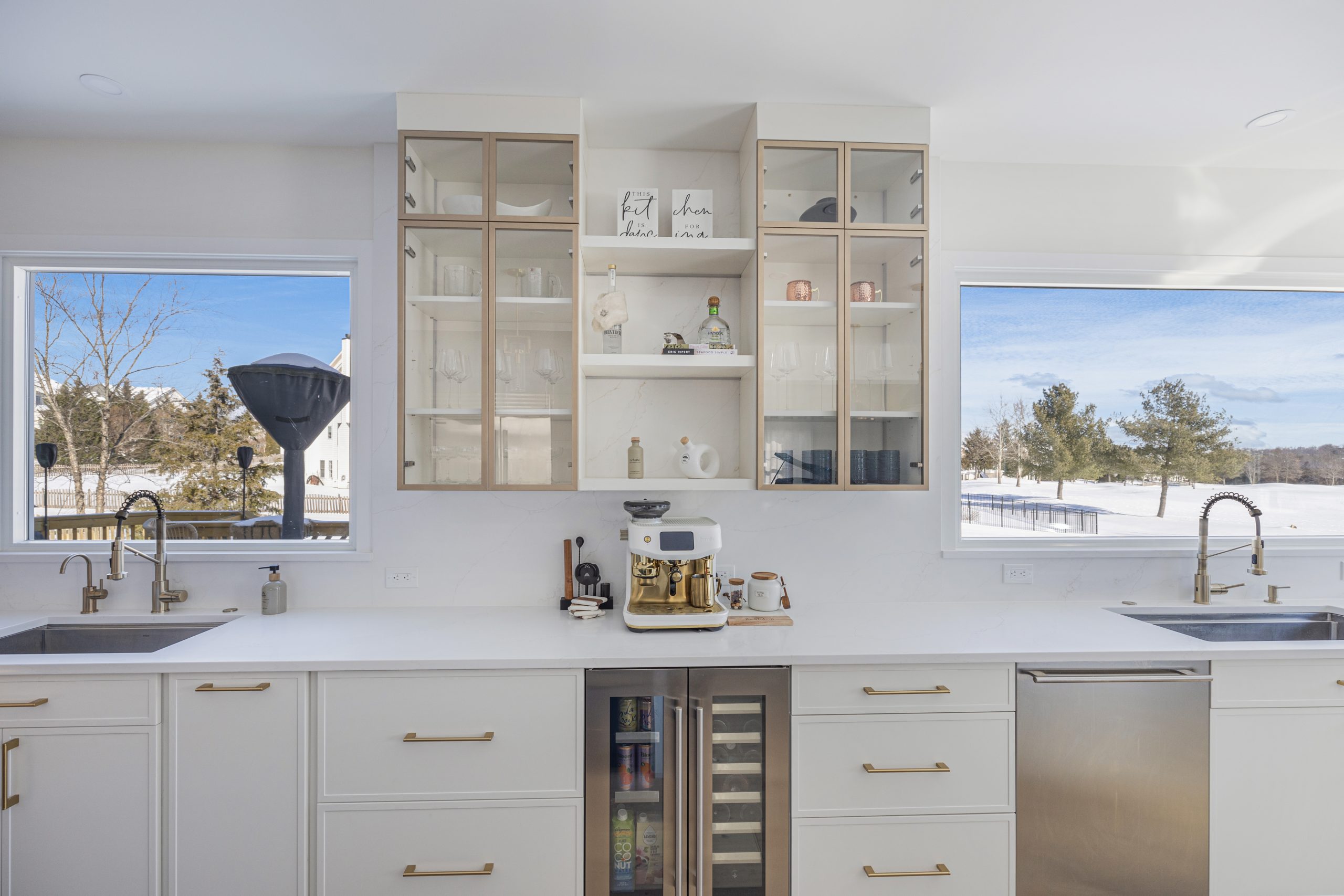
| Beverage center, optional | U-Line, Zephyr Presrv, Cafe | $1,500 to $3,000 |
| Delivery, hookups, electrical, haul away | $1,500 to $4,000 | |
| Package total | $15,000 to $35,000 |
This is where most of our clients land, and the package that survives teenagers with the fewest service calls. The 36 inch range is the upgrade that changes how the kitchen cooks; the speed oven is the upgrade that changes how it is used on a weeknight. Our kitchen island guide covers where the microwave drawer and the beverage center go.
The Luxury Built In Package: $40,000 to $100,000 and Up
| Appliance | Our picks | 2026 price, installed |
|---|---|---|
| Refrigeration, built in 36 or 42 inch, or a pair of columns | Sub-Zero, Thermador, Miele, JennAir | $11,000 to $16,000 built in; $18,000 to $28,000 for columns |
| Cooking, 48 inch dual fuel range, or 36 inch induction cooktop with double wall ovens | Wolf, Thermador, Miele, Gaggenau | $12,000 to $22,000 |
| Dishwasher | Cove, Miele | $2,500 to $3,800 |
| Speed oven or steam oven | Wolf, Miele | $3,500 to $6,000 |
| Ventilation, liner with remote blower and makeup air | Vent-A-Hood, Best, Wolf | $4,000 to $10,000 |
| Wine or beverage column | Sub-Zero, Thermador | $5,000 to $10,000 |
| Cabinet panels for refrigeration and dishwasher | Built with the cabinetry | $2,000 to $6,000 |
| Delivery, hookups, electrical, gas, haul away | $3,000 to $8,000 | |
| Package total | $43,000 to $100,000 and up |
The luxury package is the one that has to be decided first, because the cabinetry is built around it to the sixteenth of an inch and the ventilation triggers makeup air under the Virginia code once the exhaust passes 400 CFM. Our kitchen remodel timeline sets out where the appliance decision falls in the schedule, and the kitchens on our kitchen remodeling in Northern Virginia page and in our case studies show the packages installed.
The Best Brand for Each Appliance
Mixing brands is normal and often smarter than a single family, because no brand is best at everything. These are the names we reach for by appliance, with the tier in brackets.
| Appliance | Luxury pick | Premium mainstream pick | Value pick | Why |
|---|---|---|---|---|
| Dishwasher | Miele, Cove | Bosch 800 | Bosch 300, Whirlpool | The appliance that runs daily; Bosch has the fewest problems relative to its volume of anything we install |
| Refrigerator, built in or integrated | Sub-Zero, Thermador columns | Fisher and Paykel integrated | Not a value category | Compressor design and door seals decide food life; Sub-Zero’s dual compressor is still the benchmark |
| Refrigerator, counter depth | Miele | Bosch 800, GE Cafe, Fisher and Paykel | GE Profile, Whirlpool | Counter depth is the minimum in any kitchen visible from the living space |
| Gas range | Wolf, Thermador, BlueStar for serious cooks | KitchenAid, GE Cafe | GE, Whirlpool | Burner design and oven evenness; Wolf and BlueStar for high output, Thermador for the Star Burner and the package deal |
| Induction range or cooktop | Wolf, Miele, Gaggenau | Bosch, GE Cafe | Frigidaire Gallery, GE | The performance argument is settled; the difference between tiers is control precision and build |
| Wall ovens | Miele, Wolf | Bosch, KitchenAid | GE | Even baking and a usable interface; Miele’s steam combination ovens lead the luxury tier |
| Ventilation | Vent-A-Hood, Wolf, Best | Zephyr, Best | Broan | The duct run matters more than the badge; size the blower to the burners and plan makeup air above 400 CFM |
| Microwave and speed oven | Wolf, Miele | Bosch, GE Cafe, Sharp microwave drawer | GE | A speed oven replaces the microwave in most of our premium kitchens; a drawer keeps it off the wall |
| Wine and beverage | Sub-Zero, Thermador | U-Line, Zephyr Presrv, GE Cafe | Frigidaire | Compressor units over thermoelectric for anything that has to hold temperature in a Virginia summer |
Refrigeration Formats, Decoded
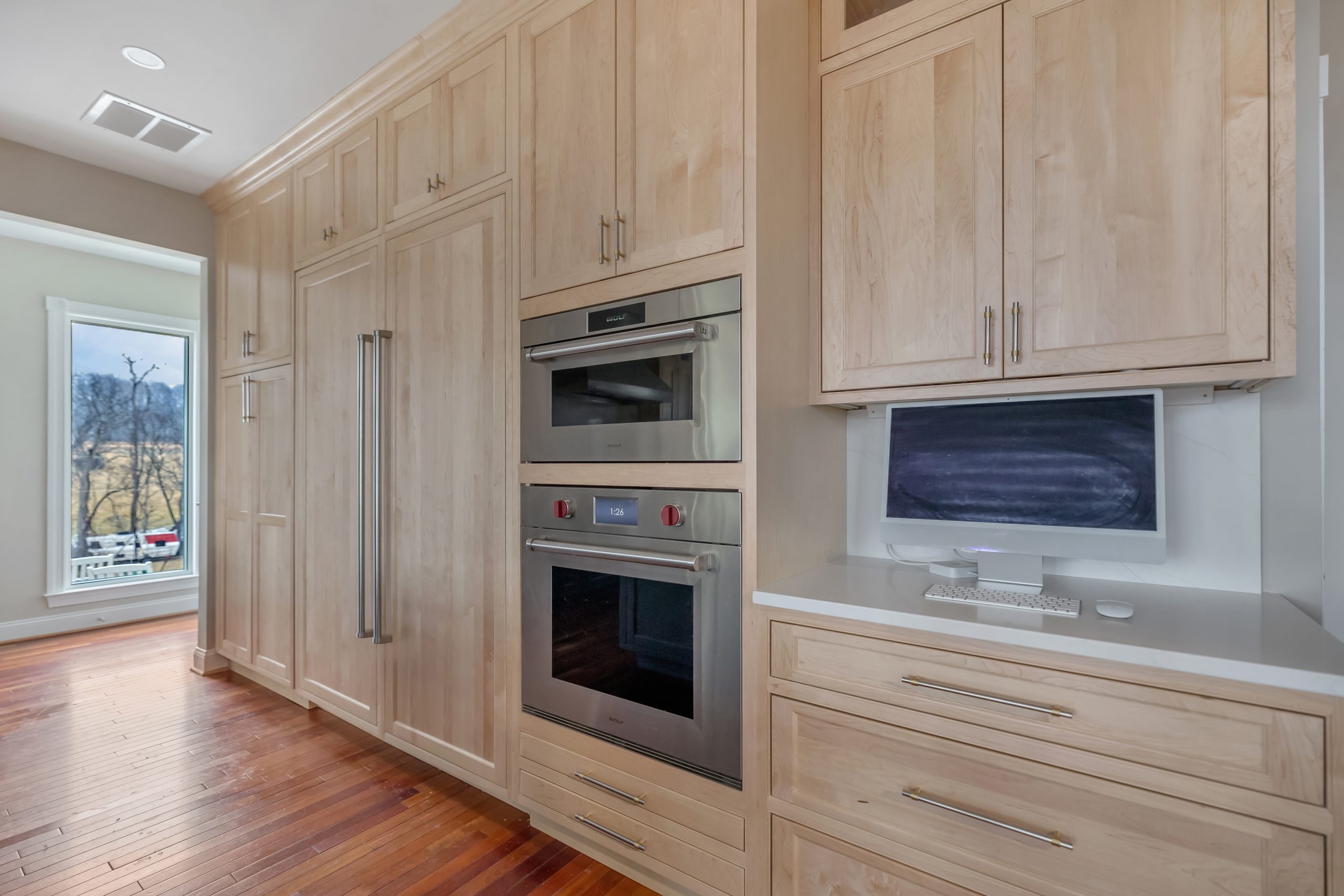
Brand matters less than format if the format is wrong for your kitchen. Standard depth french door units hold the most and cost the least, and protrude six inches past the counters, which is exactly the detail that makes a new kitchen look unrenovated. Counter depth models sacrifice some capacity to sit flush, and are the minimum we recommend in any remodel where the refrigerator is visible from living space. Built in units, the Sub-Zero and Thermador territory, are cabinet depth by design, taller, and engineered to be serviced in place for decades. Columns, separate all refrigerator and all freezer units, are the luxury end state: fully integrated, sized to your household’s actual ratio of fresh to frozen, and invisible behind panels. The budget question is simply how flush and how hidden you want the largest object in the room to be.
Ventilation: The Appliance Everyone Undersizes
The hood is the appliance that decides whether the kitchen smells like last night, and it is chronically bought last and cheap. The working rules: match the hood’s capture area to the cooking surface, duct to the exterior rather than recirculating whenever construction allows, and size airflow to the burners underneath, remembering that Virginia’s residential code requires makeup air once exhaust exceeds 400 CFM, a real construction item in tight newer homes. This is also where induction quietly saves money twice: its lower heat and smoke output lets a moderate, quieter hood do the job a gas pro range would demand a roaring one for. Vent-A-Hood, Zephyr, and Best cover most of our specs, and the brand matters far less than the duct run, which is a design decision, not a shopping one.
The Induction Shift
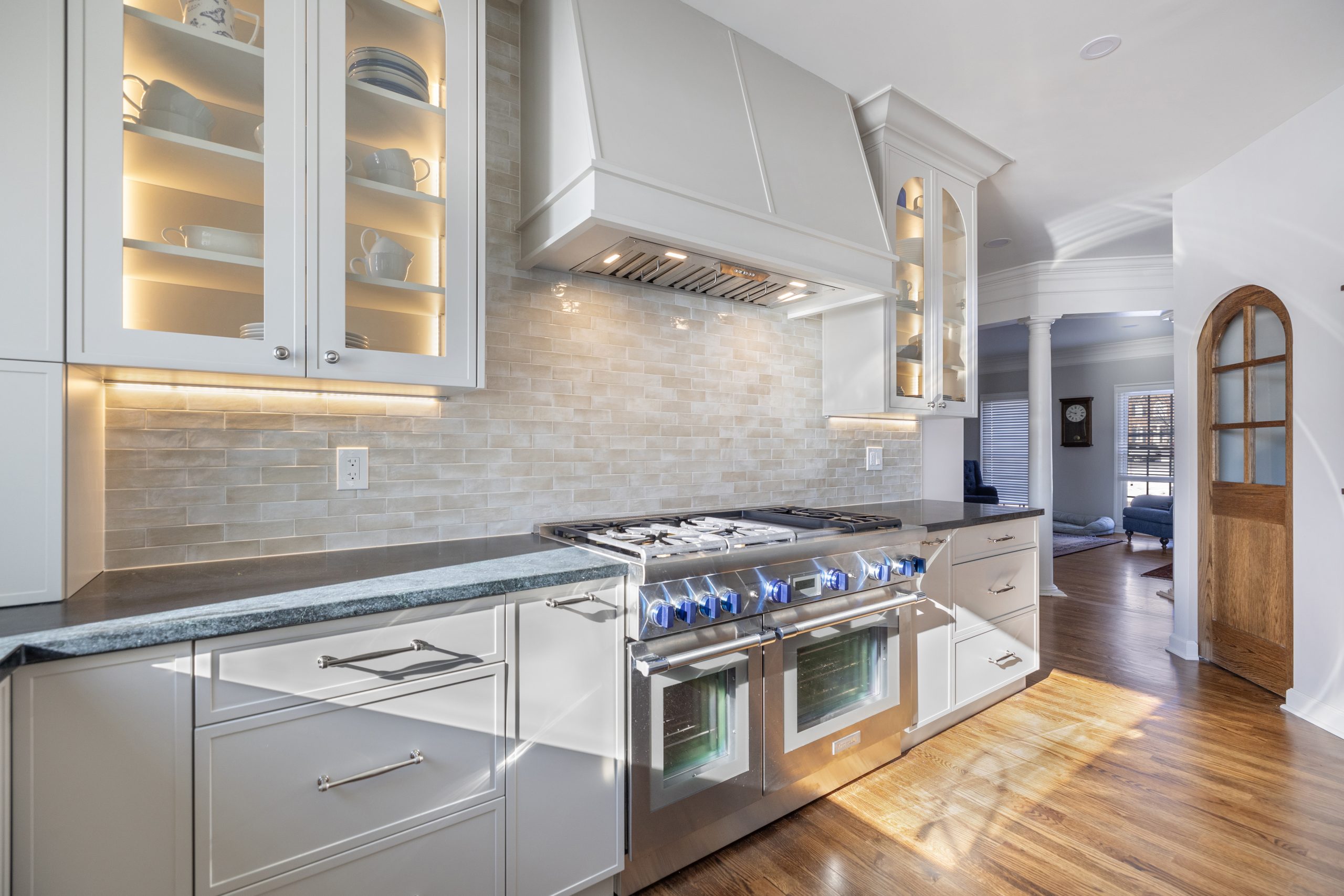
The biggest change in appliance conversations since our 2023 version of this guide is induction. Every serious brand now leads with induction ranges and cooktops, the performance argument is settled, faster than gas, precise at low heat, and a cool easy to clean surface, and the kitchens we design around induction gain ventilation flexibility and lose the makeup air complications that big gas burners trigger in tight modern homes. Wolf, Thermador, Miele, and Bosch all make excellent induction units, and Cafe covers the approachable end. Gas remains available and beloved, but in 2026 the default question has flipped: the burden of proof now sits with gas, not induction, especially in energy conscious remodels.
Panel Ready: The Quiet Luxury Standard
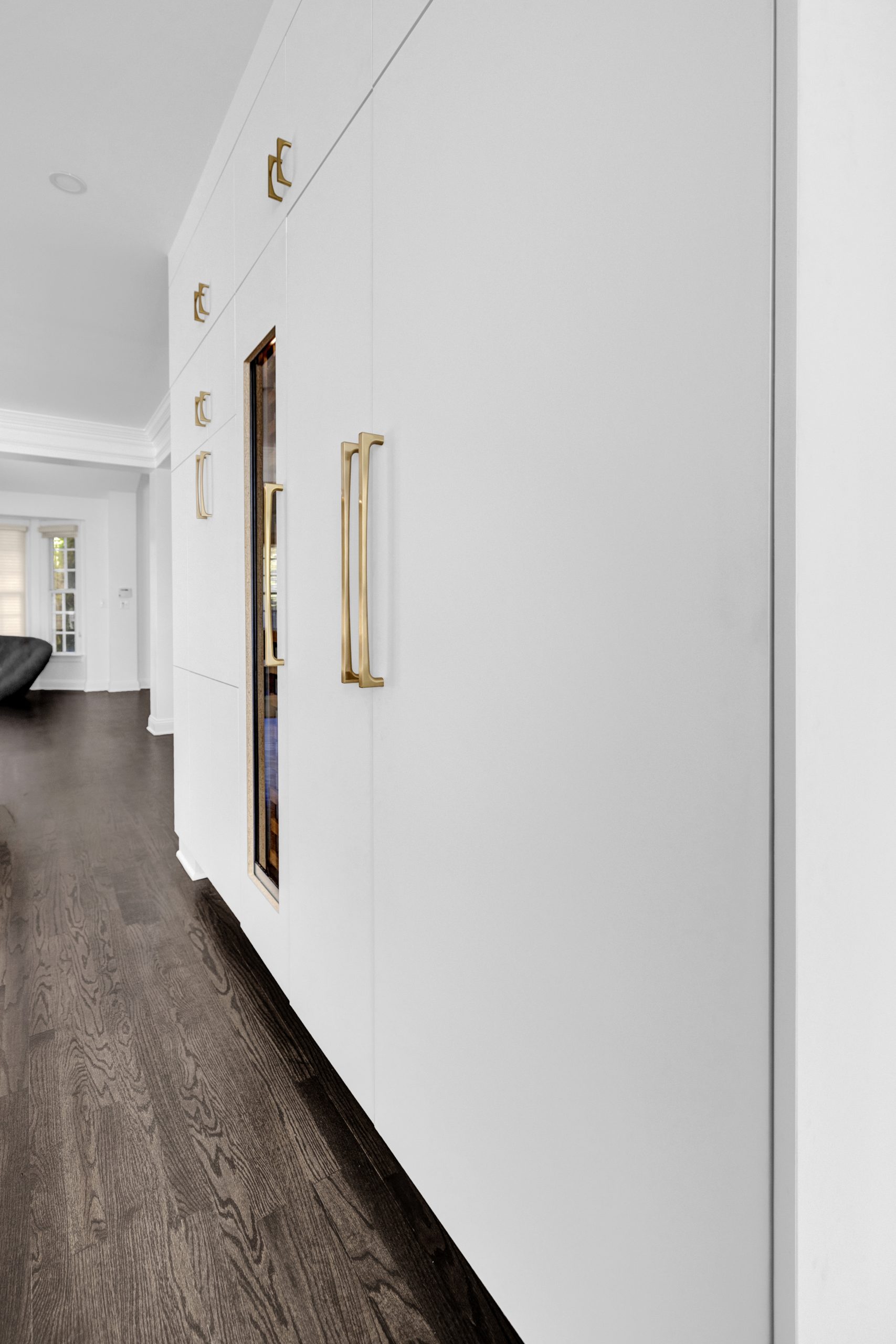
The clearest trend in our project pipeline: appliances that disappear. Panel ready refrigerators and dishwashers wear cabinet fronts, so the kitchen reads as furniture, an effect no stainless suite can match. Sub-Zero, Thermador, Miele, Fisher & Paykel, and JennAir have the deepest panel programs; mainstream brands increasingly offer panel ready dishwashers too. The design payoff is covered in our kitchen cabinet ideas guide, and the practical note is the same one as budgets: panel decisions belong at cabinet design time, since the panels are cabinetry, built and finished with the kitchen.
Smart Features: What Is Actually Worth Paying For
Every brand now sells connectivity, and a decade of installing it has made us selective. Worth the money: remote preheat and probe alerts on wall ovens, leak detection on dishwashers and refrigerator water lines, and diagnostic reporting that tells the service technician what failed before the visit. Worth skipping: screens on refrigerator doors, which age like the phones they imitate while the refrigerator around them is built to last twenty years, and any feature that requires the manufacturer’s app for something a knob once did. The durable rule: buy mechanical excellence first and connectivity second, because software support ends long before a good compressor does. How appliances fit into a genuinely smart kitchen, hubs, lighting, and controls included, is covered in our smart kitchen guide.
Matching Brands to Kitchens: What We Actually Specify
Patterns from our own Northern Virginia projects, offered as starting points rather than rules. The classic transitional kitchen most often gets Thermador or Wolf cooking, panel ready refrigeration, and a Bosch or Cove dishwasher. The warm modern kitchen with wood slab cabinetry pairs naturally with Miele or Fisher & Paykel integration. The family workhorse remodel lands on Bosch and Cafe, the combination that survives teenagers with the fewest service calls. And in every tier, we specify the dishwasher one notch above the rest of the package, because it is the appliance that runs daily and announces itself when cheap. Where you buy matters less than when: local appliance dealers earn their keep on delivery coordination and post sale advocacy, and holiday package promotions, Presidents Day through Black Friday, reliably fund an upgrade tier if the project calendar cooperates.
Frequently Asked Questions
What is the best kitchen appliance brand overall? There is no single answer across budgets. Sub-Zero and Wolf lead the luxury tier, Bosch is the most dependable premium mainstream name, and GE is the value tier’s safest buy. The best brand is the best one in your tier with strong service coverage where you live.
What is the most reliable appliance brand? In our installation experience, Bosch dishwashers and Sub-Zero refrigeration have the fewest problems relative to their volume, and Whirlpool family products remain the easiest and cheapest to repair when something does fail.
Should all kitchen appliances be the same brand? Visually it helps, and package rebates reward it, but mixing is common and sensible: many of our kitchens run one brand for cooking and refrigeration with a Bosch or Miele dishwasher. Keep finishes and handle designs consistent and mixed brands read as intentional.
Are luxury appliances worth it? In two cases, clearly: kitchens in home price brackets where buyers expect the tier, and owners who cook enough to use the performance. Otherwise, premium mainstream delivers ninety percent of the daily experience at half the spend, and the difference funds better cabinetry, which you touch far more often.
What appliance brands do remodelers recommend? Across our projects the most repeated specs are Bosch dishwashers at every budget, Thermador or Wolf for luxury cooking, Sub-Zero or Thermador columns for built in refrigeration, GE Cafe for style conscious mainstream kitchens, and GE or Whirlpool where dependability per dollar is the whole brief. The pattern behind all of them is the same: strong local service networks and honest spec sheets.
Gas or induction in 2026? Induction, unless you have a specific attachment to flame. It outperforms gas at both ends of the heat range, simplifies ventilation, and every major brand now builds its best cooktop technology around it.
When should I choose appliances during a remodel? Before cabinetry is ordered, which in practice means within the first two or three design weeks. Every dimension in the kitchen is built around the appliance spec sheet, so late changes are the most expensive kind.
Which appliance brands are easiest to get serviced in Northern Virginia? GE and the Whirlpool family, which includes KitchenAid and Maytag, have the broadest and fastest coverage in Fairfax and Loudoun County. Bosch and Thermador are close behind, and Sub-Zero and Wolf run factory certified service that treats old units as normal. LG and Samsung see longer parts waits and fewer independent technicians, and the budget professional look brands have the thinnest coverage of all.
What is the best kitchen appliance package for $15,000? The premium mainstream package at the bottom of its range: a Bosch 800 dishwasher, a GE Cafe or KitchenAid 30 inch slide in range, a Bosch or GE Profile counter depth refrigerator, a ducted hood insert, and a countertop microwave instead of a speed oven. It gives up the 36 inch range and the beverage center and keeps everything that matters daily.
Is Thermador better than Wolf? They are different answers to the same tier. Wolf cooking with Sub-Zero refrigeration is the reference standard and holds its value best at resale. Thermador is the package value play: strong ranges, column refrigeration and promotions that often include the dishwasher. Choose by the refrigeration you need and the budget you have; both are serviced well in Northern Virginia.
Choose the Kitchen First, Then the Badges
Brands matter, but the kitchens people love were designed as rooms first: layout, light, cabinetry, and then the appliance package that serves them. Chase the badge before the room and you get a showroom; sequence it properly and the appliances simply belong. EA Home Design is a Class A licensed design build firm serving Fairfax and Loudoun County, and appliance planning, specs, panels, ventilation, and the cabinetry built around all of it, is part of every kitchen we design. Schedule a consultation and we will build the package that fits your kitchen, your cooking, and your tier.