If you are selling your Northern Virginia home in the next year, the remodels that pay off are smaller than you think: paint, lighting, hardware, refinished floors, a straightened front elevation, and surgical work on the kitchen and bathrooms rather than gut renovations. National Cost vs. Value data has shown the same pattern for years: a garage door replacement returns roughly 190 percent of its cost, a new steel entry door about 180 percent, a minor kitchen refresh 90 percent or more, while an upscale kitchen renovation returns 40 to 60 percent and a primary suite addition less than half. In Fairfax and Loudoun County, where well kept colonials in good school districts sell in days, the goal before listing is not to impress buyers with your taste; it is to remove every reason for a price objection. This guide ranks pre sale projects into three tiers by return, gives 2026 costs for each, shows three sample pre sale packages, and covers the projects that actively lose money when done right before a sale.
The Rule That Decides Every Pre Sale Remodel
A remodel you will live with for ten years is an investment in your life; a remodel done to sell is a marketing expense, and marketing expenses are judged only on return. That means the question is never “what would make this house better” but “what is stopping a buyer from paying full price.” In the Northern Virginia market, buyers walking a $700,000 to $1.5 million home have three deal killers: anything that looks like deferred maintenance (peeling paint, water stains, a failing deck), anything that reads as a five figure project they must do immediately (a 1995 kitchen, a pink tile bathroom, worn carpet), and anything that photographs badly online, because in this market the first showing happens on a phone. Every dollar you spend before listing should attack one of those three, and nothing else.
Tier 1: High Return Projects (Recoup 80 to 190 Percent)
| Project | 2026 cost in Fairfax and Loudoun | Typical return at sale | Why it works |
|---|---|---|---|
| Interior paint, whole house, current neutrals | $6,000 to $12,000 | Often more than 100 percent | Erases wear and personal color choices in one stroke; the cheapest square footage transformation that exists |
| Refinish hardwood floors | $4,000 to $9,000 | Near or above 100 percent | Buyers pay for “gleaming hardwoods”; scratched floors read as neglect |
| Lighting: replace builder fixtures, add recessed LEDs in main rooms | $3,000 to $8,000 | High; transforms listing photos | Dark rooms photograph small; bright rooms photograph expensive |
| Garage door replacement | $2,500 to $5,500 | Roughly 190 percent nationally | Large share of the front elevation for the least money |
| New front door (steel or fiberglass with glass) | $2,500 to $6,000 | Roughly 180 percent nationally | The first thing a buyer touches |
| Landscaping refresh, mulch, walkway lighting, house numbers | $2,000 to $6,000 | High | The drive-by test; many showings are booked from the curb photo |
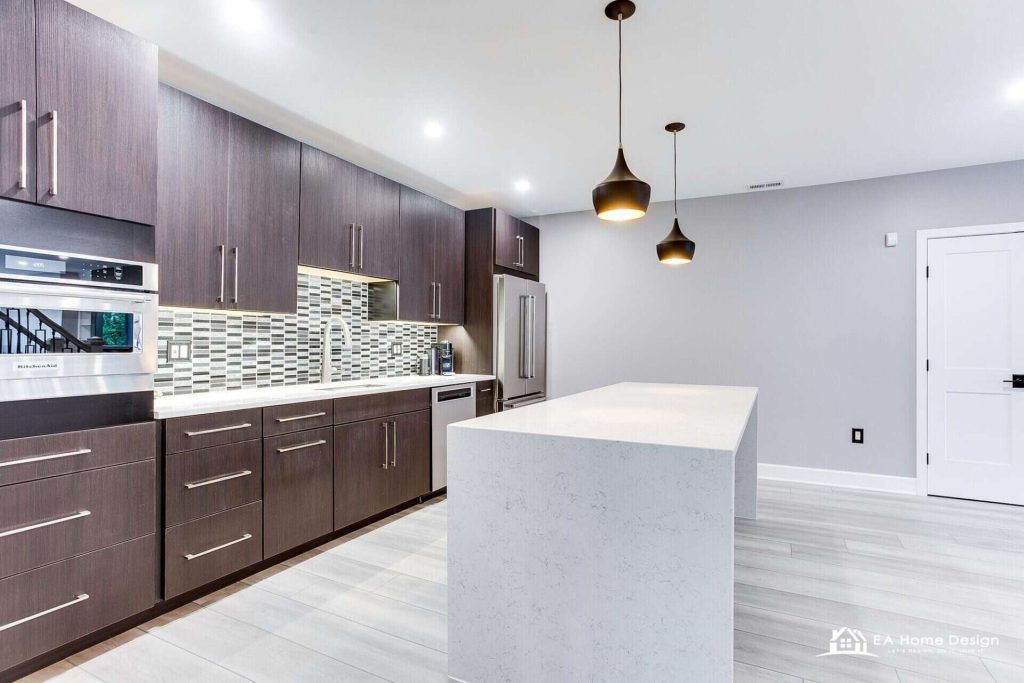
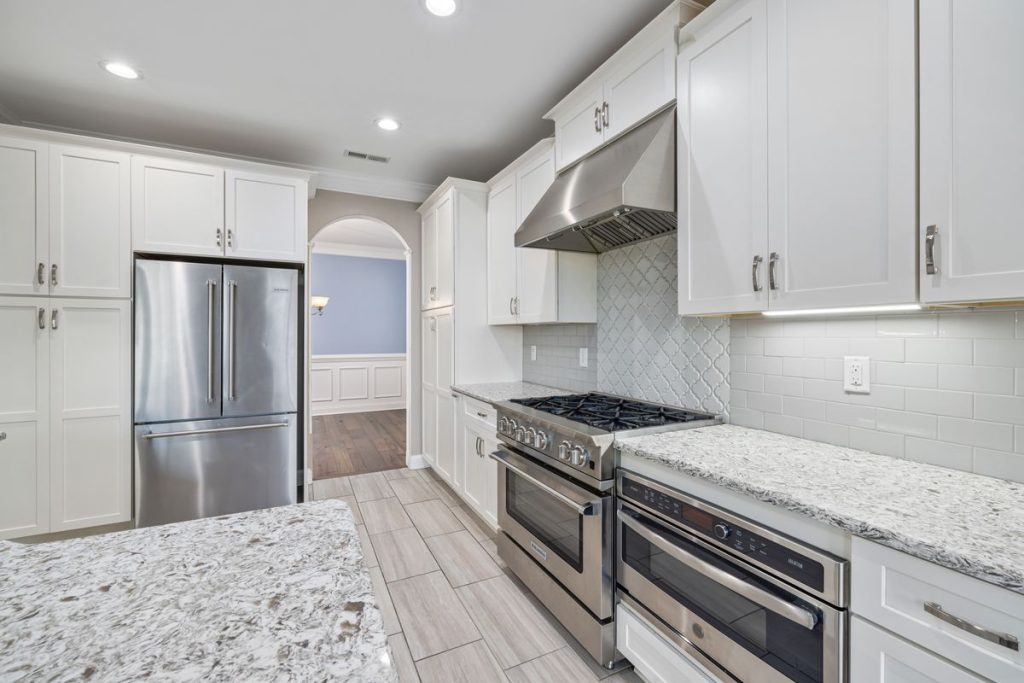
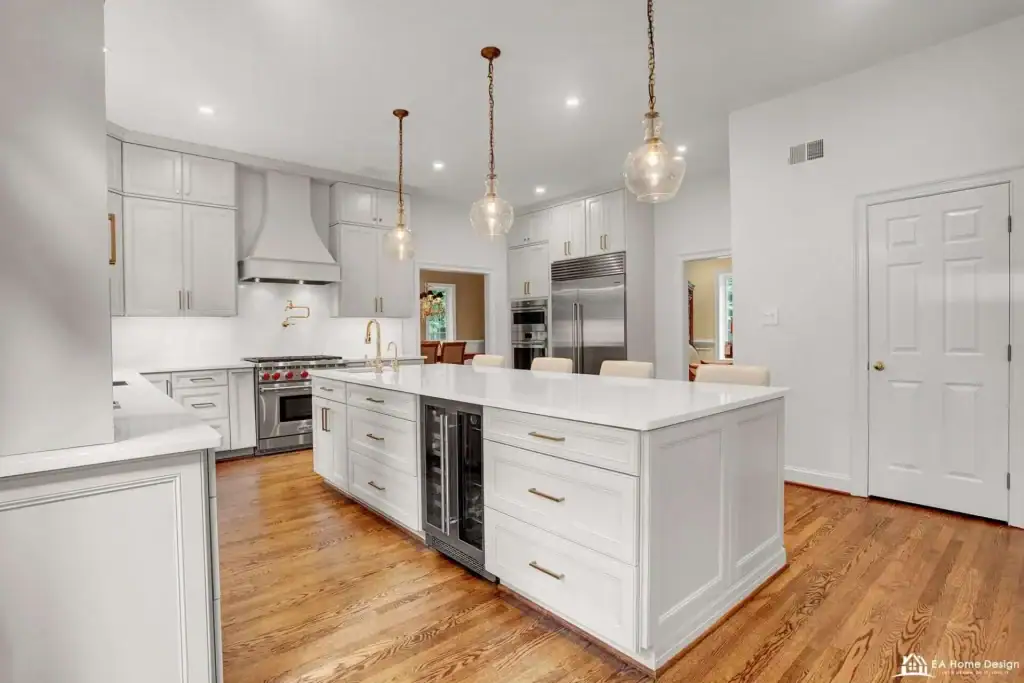
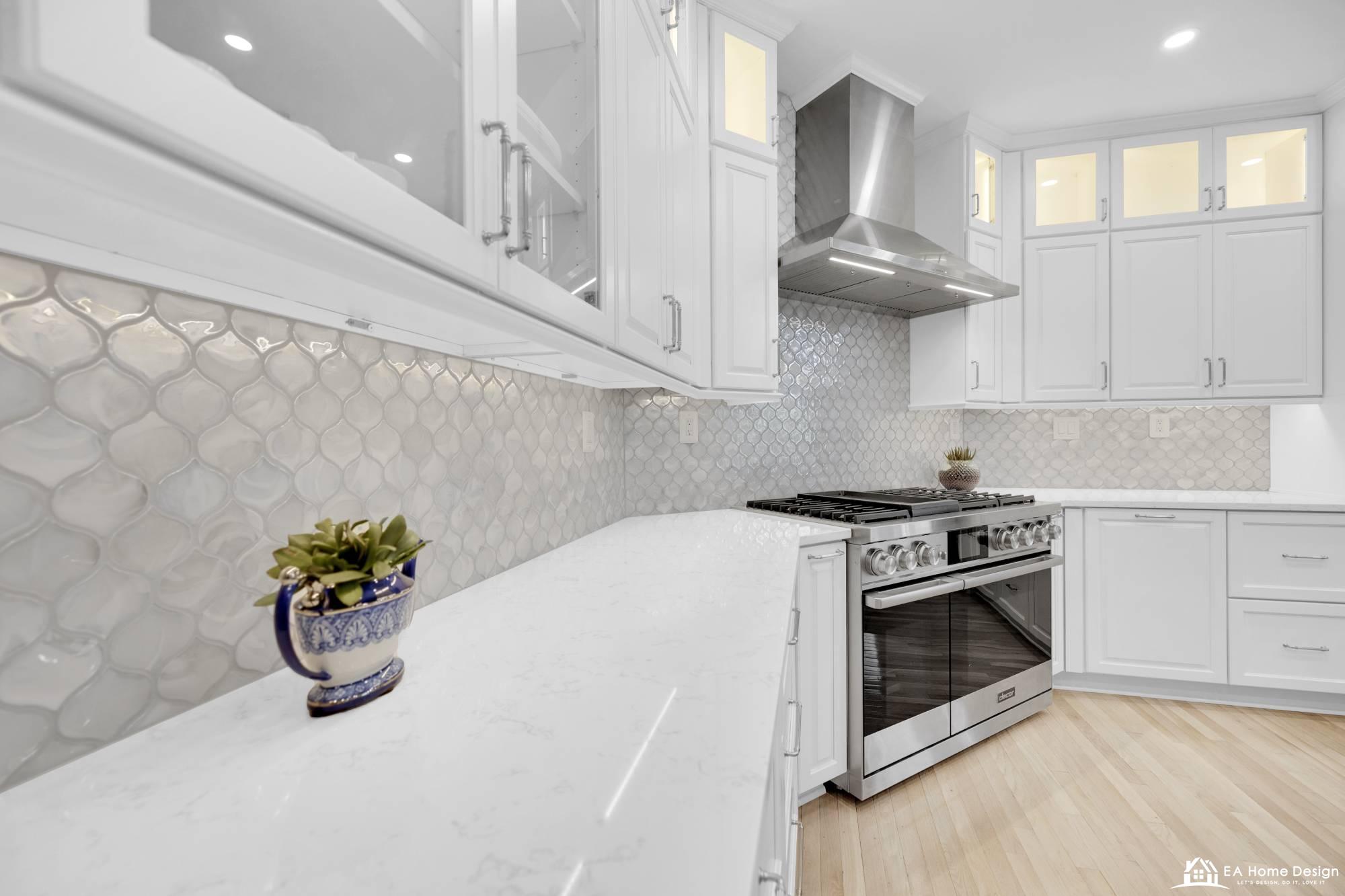
| Minor kitchen refresh: paint or reface cabinets, new hardware, quartz counters, faucet, lighting | $15,000 to $35,000 | 85 to 96 percent, higher in hot submarkets | Converts “kitchen needs updating” into “kitchen is done” without the cost of new boxes; see our refacing vs replacing guide |
| Hall bathroom cosmetic update: vanity, mirror, lighting, reglaze or resurface tub, new fixtures | $5,000 to $15,000 | High | Kills the second most common objection for a tenth of a gut remodel |
Notice what these have in common: none of them moves a wall, and all of them are visible in every listing photo or within the first two minutes of a showing. The garage door and entry door numbers come from national Cost vs. Value research and hold up in the Washington market because both are curb items on homes that sell from the curb.
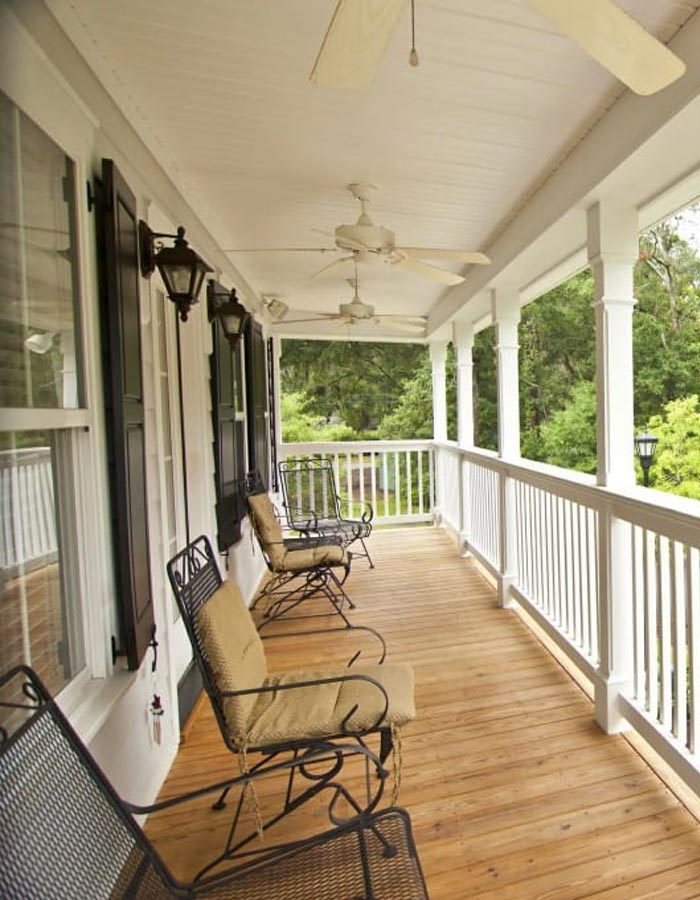
Tier 2: Situational Projects (Recoup 60 to 85 Percent, and Sometimes the Whole Sale)
| Project | 2026 cost | When it pays before a sale |
|---|---|---|
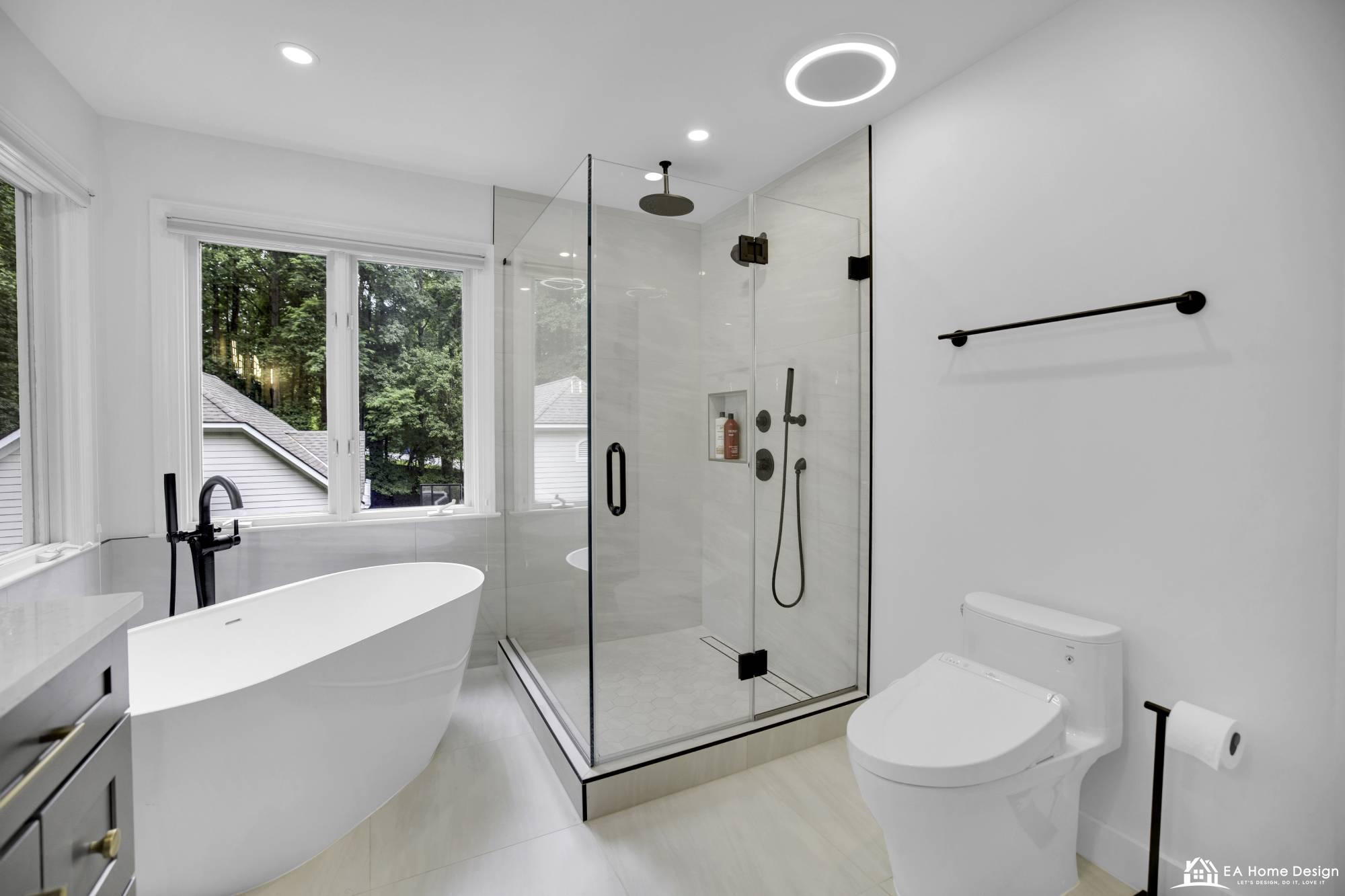
| Full hall bathroom remodel | $25,000 to $40,000 | When the existing bath has colored fixtures, failing tile, or water damage that would scare inspectors |
| Primary bathroom mid range remodel | $45,000 to $75,000 | In upper bracket homes ($1M plus) where every competing listing has a finished spa bath |
| Carpet replacement upstairs | $4,000 to $10,000 | Always, if the carpet is worn or dated; never install expensive carpet, buyers replace it anyway |
| Deck repair or board replacement | $3,000 to $15,000 | When the inspector would flag it; a failing deck is a negotiation grenade |
| Water heater, HVAC service, roof repairs | $500 to $8,000 | Fix anything an inspection will find; buyers price discovered problems at twice their cost |
| Basement refresh: paint, carpet or LVP, lighting | $8,000 to $20,000 | When the basement is finished but dark; do not fully finish an unfinished basement to sell |
| Popcorn ceiling removal | $3,000 to $8,000 | In homes over $800,000 where every comp has smooth ceilings |
The judgment call in this tier belongs to two people: an agent who knows what the last ten buyers in your exact neighborhood paid a premium for, and a remodeler who can price the fix accurately. When we do pre sale consultations in Fairfax and Loudoun County, we walk the house with the listing agent’s comp set open, because the answer in Vienna is different from the answer in South Riding.
Tier 3: Projects That Lose Money Right Before a Sale
- An upscale kitchen or primary suite renovation. Returns 40 to 60 percent nationally. You will not enjoy it, and the buyer would have chosen different finishes. If the kitchen truly blocks the sale, do the minor refresh, not the gut.
- Any addition. Additions return 30 to 55 percent at sale and take 6 to 10 months you do not have. Additions are for staying, as our addition cost guide makes clear.
- A swimming pool. In Northern Virginia a pool narrows the buyer pool more than it raises the price.
- Finishing an unfinished basement to sell. $60,000 plus returned at 50 to 70 cents on the dollar; paint the floor, light it well, and sell the potential instead.
- High personality finishes. Bold tile, statement wallpaper, dark cabinets: assets for living, liabilities for listing photos aimed at the broadest buyer set.
- Solar panels under lease. A leased system complicates closings; buy out or disclose early.
- Anything without a permit. Unpermitted work surfaces in Northern Virginia buyer due diligence and costs more at the negotiating table than the permit would have; our permit guide explains what needed one and how retroactive permits work.
Three Pre Sale Packages, Priced for Northern Virginia
The $15,000 package (most townhouses and starter colonials). Whole house paint in a warm white, refinish or deep clean floors, replace dated light fixtures and switch plates, new cabinet hardware, new house numbers and mailbox, mulch and trim the front. Two to three weeks of work. This package alone moves most listings from “dated” to “move in ready” in photos.
The $50,000 package (the typical Fairfax or Loudoun colonial). Everything above, plus a minor kitchen refresh (refaced or painted cabinets, quartz, faucet, under cabinet lighting), a cosmetic hall bath update, carpet replaced upstairs, garage door and front door replaced. Four to seven weeks. This is the package that our guide to what $50,000 buys describes, aimed entirely at the sale.
The $100,000 to $130,000 package (upper bracket homes competing with renovated comps). Everything above, with the kitchen refresh upgraded to new counters plus appliances, a full hall bathroom remodel, a primary bath refresh, smooth ceilings, and exterior paint or targeted siding repair. Eight to twelve weeks. Only worth it when comps prove the price gap; this is where the agent’s comp set and the remodeler’s estimate must sit on the same table before anyone signs anything.
The Timeline: Work Backward From the Listing Date
Pre sale work runs on the market’s calendar, not yours. Northern Virginia’s strongest listing windows are March through May and September through mid October. Counting backward: photography happens a week before listing; staging the week before that; the $15,000 package needs 3 weeks of work; the $50,000 package 4 to 7 weeks plus 2 to 3 weeks of cabinet and counter lead time; the larger package 3 months plus permits for any electrical or plumbing. Which means a spring listing is planned in November and December and built in January and February, when remodelers’ calendars are also at their most open. The most expensive sentence in real estate is “we will just list it as is and see,” said in February by a seller who could have spent $40,000 to make $90,000 by April.
Remodel, Sell As Is, or Take a Cash Offer? The Honest Math
Not every house should be fixed before selling. If the whole house is original and the budget or timeline is not there, pricing it honestly as a project for renovators often beats a thin refresh that fools nobody; in Fairfax County, renovation-ready homes in good districts draw strong as-is offers. The cash offer companies advertise convenience and typically price it at 8 to 15 percent below market, which on an $900,000 house is the cost of every package on this page combined. The middle path most sellers should take: spend at the Tier 1 level, fix what the inspection will find, and let the buyer fund their own taste. Where the line sits for your street is a comp question; ask the agent first, then price the work, then decide with both numbers in hand.
Staging vs Remodeling: Where Each Dollar Belongs
Staging and pre sale remodeling solve different problems and sellers regularly fund the wrong one. Staging ($3,000 to $8,000 for a typical Fairfax colonial, more for vacant homes) makes good bones photograph beautifully: furniture scale, sight lines, light. It cannot hide worn floors, a dated kitchen, or a bad paint color; a staged room with scratched hardwoods photographs as a staged room with scratched hardwoods. The sequence that works is remodel first, stage second, photograph third. If the budget only covers one, the answer depends on the house: a clean, current home with tired furniture needs staging; a well furnished home with 2004 finishes needs the Tier 1 list. What never works is skipping both and discounting the price instead, because in this market a price cut signals a problem while a finished house signals a bidding war.
What Fairfax and Loudoun Buyers Punish Most
Every market has its specific allergies, and after two decades of remodeling homes that later sold, ours are consistent. Polished brass fixtures and Hollywood light bars date a house to the year they were installed. Wall to wall carpet over hardwood reads as hidden damage even when the wood beneath is perfect; pull it and refinish. The almond appliance, even one, resets the kitchen’s age in a buyer’s mind. Bathroom carpet ends showings. An unpermitted basement bedroom gets called out in the buyer’s inspection addendum with a number attached. And deferred exterior trim, the peeling fascia visible from the driveway, makes buyers assume everything they cannot see was maintained the same way. None of these costs much to fix, which is exactly why leaving them unfixed is expensive: buyers do not discount by the cost of the repair, they discount by the doubt.
Frequently Asked Questions
Is it worth renovating before selling in Northern Virginia?
Cosmetic renovation, almost always: paint, floors, lighting, curb items, and minor kitchen and bath refreshes typically return their cost or more in Fairfax and Loudoun County. Major renovation, almost never: upscale kitchens, additions, and pools return 30 to 60 percent at sale. The dividing line is whether the project removes a buyer objection or expresses your taste.
What remodel has the highest ROI before selling?
By national Cost vs. Value data, garage door replacement (roughly 190 percent) and a new steel entry door (roughly 180 percent), followed by manufactured stone accents, fresh interior paint, refinished hardwoods, and a minor kitchen refresh at 85 to 96 percent. Everything at the top of the list is exterior or cosmetic; nothing at the top moves a wall.
Should I remodel the kitchen before selling?
Refresh, do not remodel. Painted or refaced cabinets, quartz counters, a new faucet, hardware, and lighting cost $15,000 to $35,000 in Northern Virginia and remove the “kitchen needs updating” objection. A full $90,000 kitchen returns roughly half its cost at sale and delays the listing by months.
How much should I spend getting my house ready to sell?
A useful ceiling is 3 to 6 percent of expected sale price for cosmetic work: $15,000 to $50,000 on a typical Fairfax or Loudoun colonial. Go beyond that only when the comps prove a specific gap, such as every competing listing having a renovated primary bath, and only with an agent and a remodeler pricing the same scope.
How long before listing should I start pre sale work?
Three to six months. A paint and floors package takes 3 weeks; a package including a kitchen refresh takes 4 to 7 weeks plus material lead time; anything with permits adds 2 to 5 weeks. For a spring listing, plan in November and build in January.
Should I stage my home or remodel it before selling?
Remodel first, stage second. Staging ($3,000 to $8,000 in Northern Virginia) makes good finishes photograph well but cannot hide worn floors or a dated kitchen. If the budget covers only one: a current home with tired furniture needs staging, and a well furnished home with 2004 finishes needs paint, floors, and lighting. Cutting the price instead of doing either signals a problem and attracts investors, not buyers.
Do I need permits for pre sale renovation work?
Paint, flooring, fixtures, refacing, and hardware need none. New electrical circuits, moved plumbing, and structural changes need permits in Fairfax and Loudoun County, and buyers’ agents increasingly check permit history during due diligence, so unpermitted work costs more in negotiation than the permit costs in time.
Get a Pre Sale Assessment Before You Spend Anything
The right pre sale scope is a two expert decision: the agent brings the comps, the remodeler brings the real costs, and the seller decides with both numbers on the table. EA Home Design does pre sale consultations across Fairfax and Loudoun County, walks the house against the listing agent’s comp set, and delivers a tiered scope with fixed pricing and a schedule built backward from your listing date, as a Class A design-build firm that handles the permits where they are needed. See real results in our before and after transformations, check how we compare in our guide to the best remodeling companies in Northern Virginia, or book the walk through before you commit a dollar. Costs, permits and timelines for each of these projects are in our 2026 Fairfax County home remodeling guide.