Interior design in Northern Virginia is its own discipline. The housing stock runs from 1960s brick colonials in Fairfax to new builds in Loudoun, the market sits firmly at the luxury end, and the design that works here balances traditional architecture with the way families actually live now. This guide covers what an interior designer really does, how designers differ from decorators and design build firms, the style language that suits Northern Virginia homes, how to choose the right professional, and the twelve questions that separate a great hire from an expensive mistake. EA Home Design is a Class A licensed design build firm (VA #2705157182) based in Sterling with interior designers on staff, so this is written from the side of the table that does the work.
What an Interior Designer Actually Does
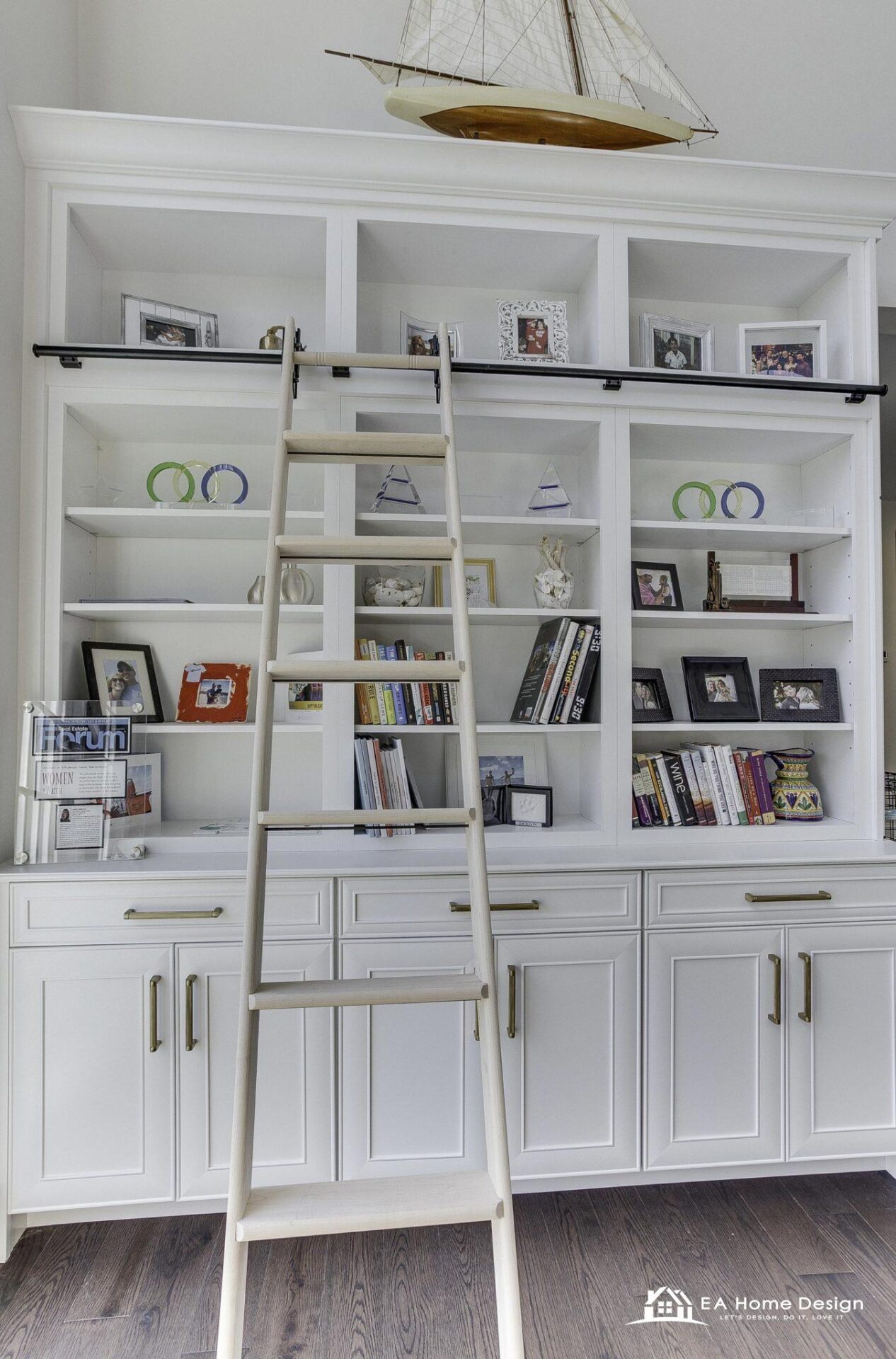
The popular picture of interior design, someone arriving with throw pillows and paint chips, describes maybe a tenth of the job. A working residential designer in Northern Virginia spends most of a project on things clients never see photographed: space planning that decides where walls, openings, and furniture actually go; lighting plans layered across ambient, task, and accent circuits; finish schedules that keep every tile, stain, and metal in one coherent palette; millwork and built-in drawings a carpenter can build from; and procurement, the unglamorous machinery of ordering, tracking, and inspecting everything from slabs to sconces. On a remodel, the designer also coordinates with the contractor so design intent survives contact with framing reality. The output is not a mood board. It is a set of decisions, made in the right order, that a build team can execute without improvising.
Designer, Decorator, or Design Build Firm?
| Professional | What they own | Best fit |
|---|---|---|
| Interior decorator | Furnishings, color, styling of finished rooms | Refreshing a home without construction |
| Interior designer | Space planning, finishes, lighting, millwork, procurement | Renovations where the rooms themselves change |
| Design build firm | Design plus construction under one contract | Remodels where budget certainty and one point of accountability matter |
The boundaries blur in practice, and Virginia adds one formal marker worth knowing: the Commonwealth registers Certified Interior Designers through DPOR, a voluntary credential that signals formal training and examination. Plenty of talented designers practice without it, but on projects that touch permits and construction documents, certification and construction experience start to matter more than styling flair. The third column is where our own bias sits, openly: for remodeling projects, having the designer and the builder inside one company means the design is priced as it is drawn, which is the single biggest protector of budgets we know. The full fee comparison lives in our guide to whether an interior designer is worth the money in Fairfax County.
The Northern Virginia Look, and Why It Exists
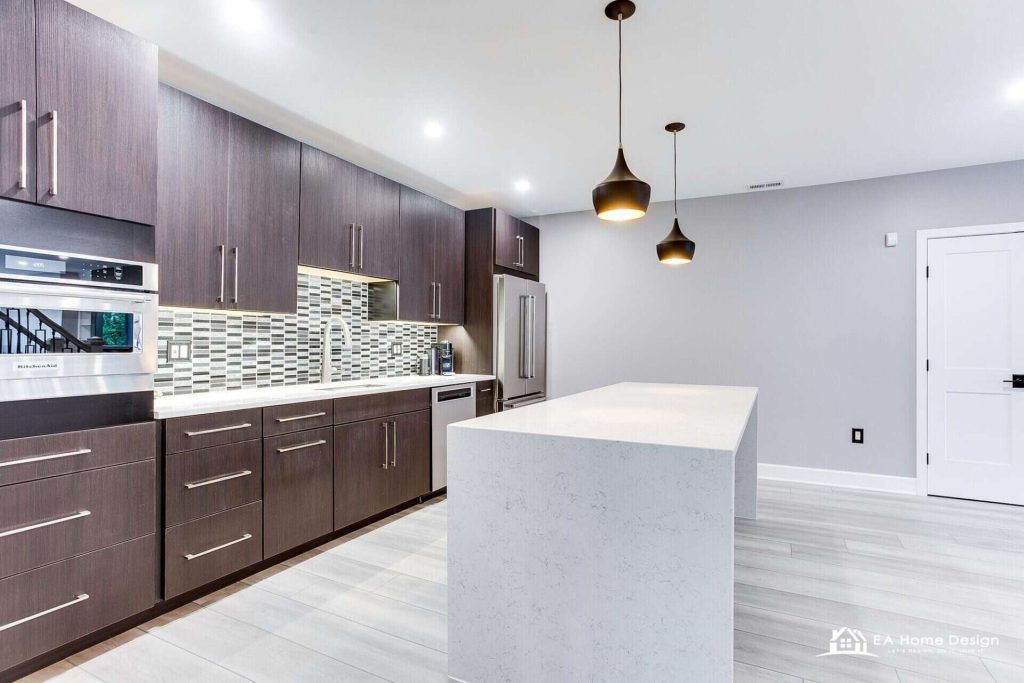
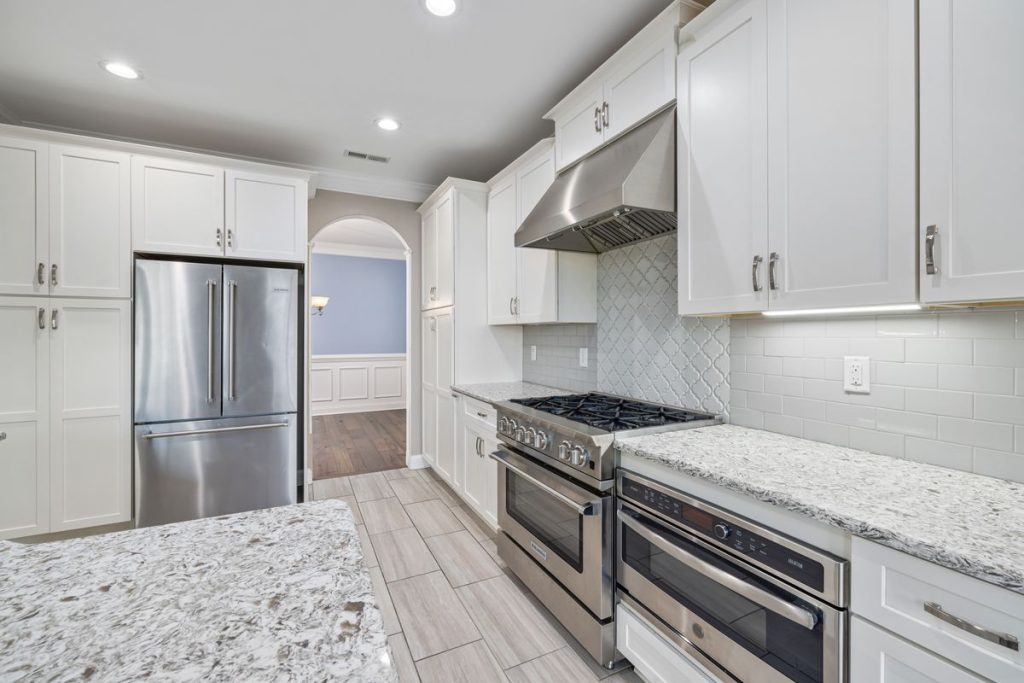
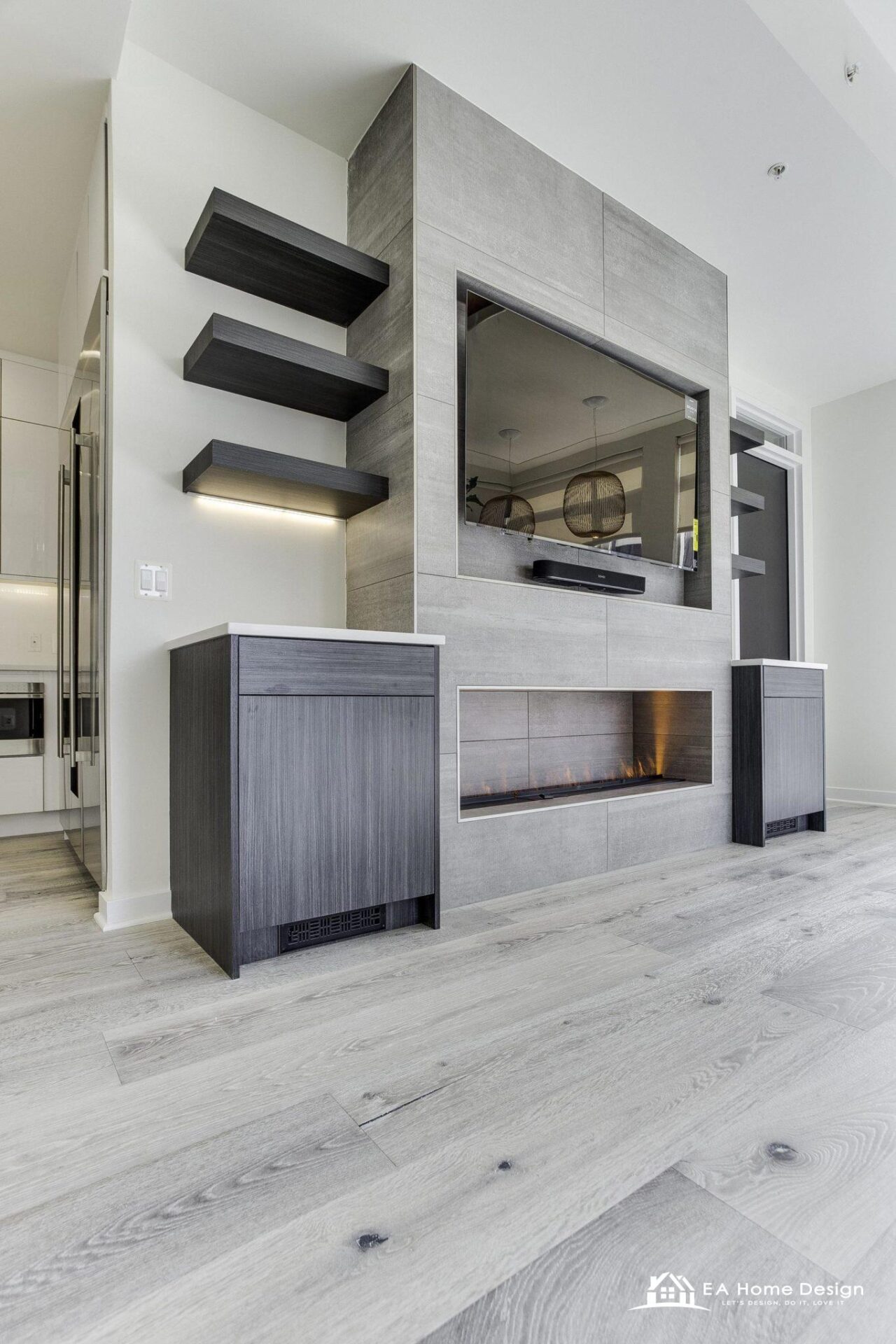
Ask any designer who works between Arlington and Leesburg what the region wants and you will hear the same answer: warmth with restraint. The dominant style is transitional, classic bones with modern editing, and it dominates for structural reasons rather than fashion ones. The housing stock is heavy on colonials, center hall plans, and traditional trim, and design that fights the architecture reads as a costume. At the same time, buyers and owners here are professional, well traveled, and allergic to stuffiness, so the full traditional treatment feels dated. The result is the look that fills our own portfolio: painted shaker cabinetry, natural stone with quiet movement, white oak floors, layered metals used with discipline, and color as accent rather than theme. The deeper dives live in our guides to transitional kitchen design, timeless bathroom design, and mixing metals, which together describe most of what Northern Virginia clients ask for by other names.
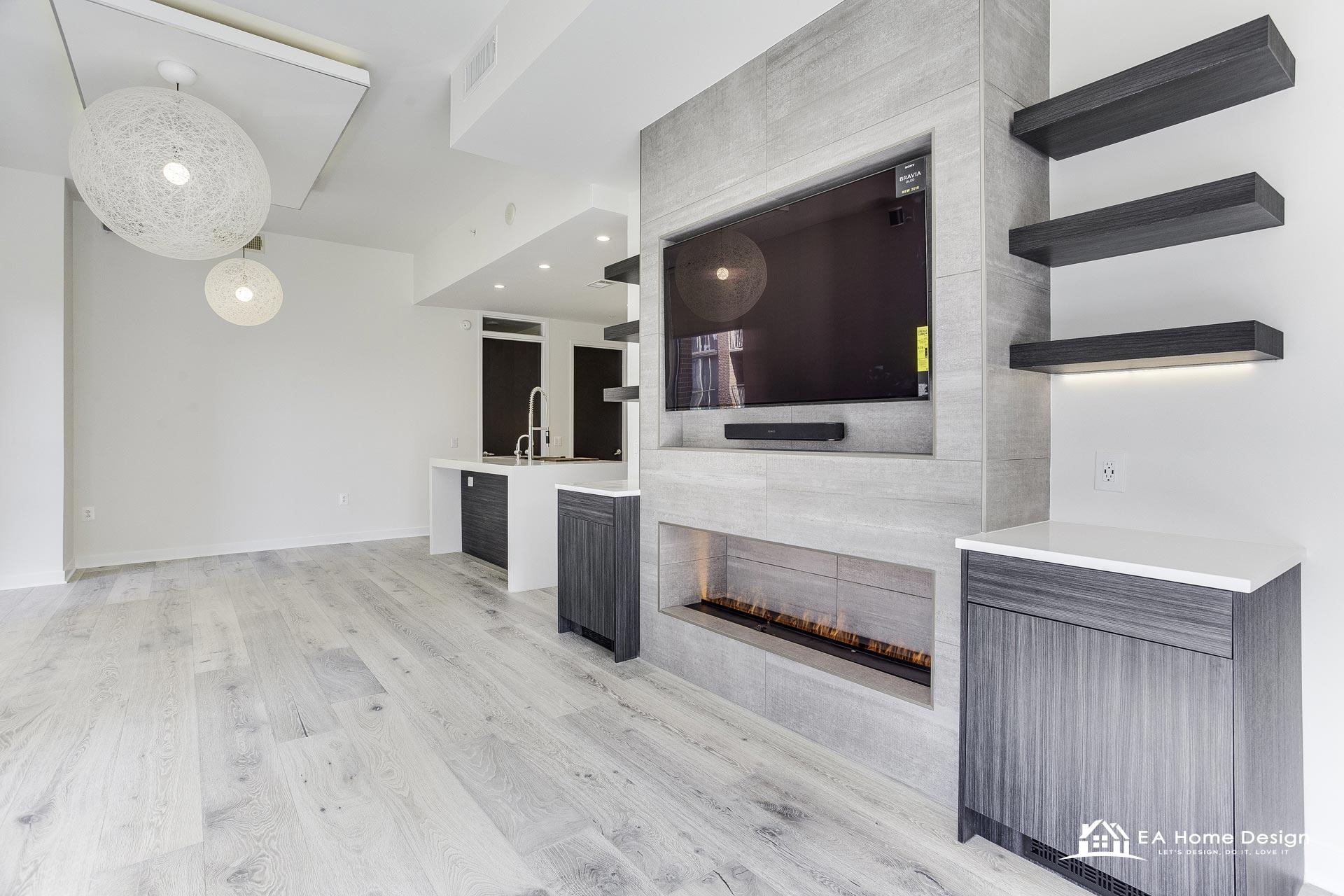
Where a Designer Earns Their Fee, Room by Room
- Kitchens: The most consequential design decisions in the house, cabinet layout, island sizing, lighting, and appliance integration, are made months before demolition. Design errors here cost five figures to correct; design skill here is invisible because nothing goes wrong.
- Primary bathrooms: Tile layouts, fixture placement, and stone selection are permanent in a way furniture never is. This is the room where a finish schedule pays for itself.
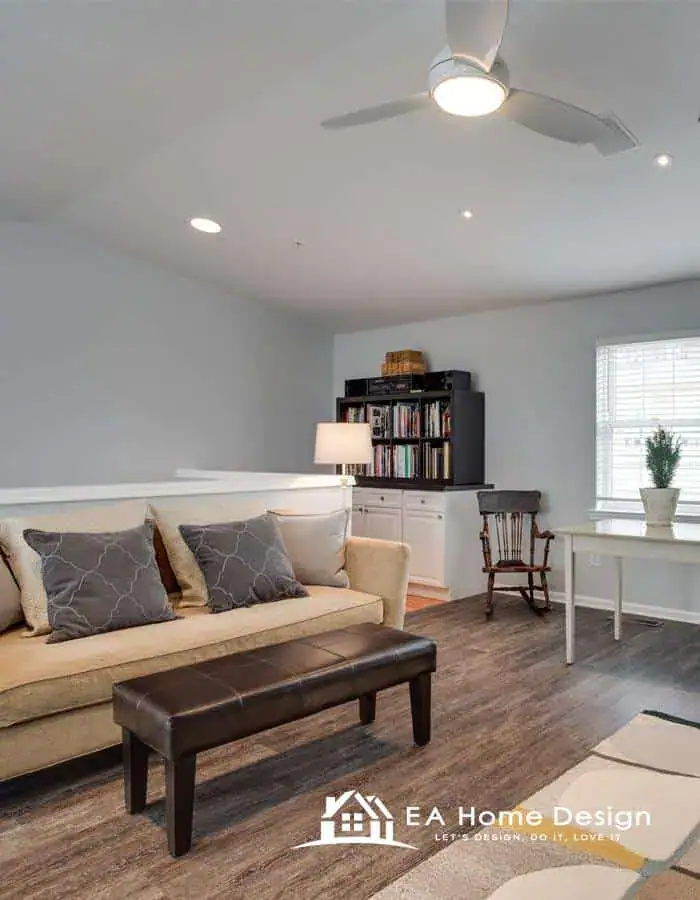
- Open plan living: When walls come down, someone has to make one large room read as designed rather than emptied. Zoning, sight lines, and a palette that carries across functions are designer problems.
- Whole home renovations: The difference between a house that feels renovated and one that feels assembled from separate projects is a single design intelligence running through every room.
The Design Process, Phase by Phase
Knowing the shape of a professional engagement makes you a better client and a harder person to overcharge. Discovery comes first: how you live, what you own, what frustrates you about the space, and the budget said out loud. Concept follows, the big moves presented as plans and imagery, and this is where directions get chosen and discarded cheaply. Design development turns the chosen concept into real selections: the actual tile, the actual fabric, the actual light fixture, each priced as it enters the scheme. Documentation produces the drawings and schedules a contractor builds from, the least glamorous phase and the one that separates professionals from stylists. Procurement orders, tracks, receives, and inspects everything, a logistics job that consumes more designer hours than clients ever guess. Installation and styling close the project: trades finish, furniture lands, and the final visit sets the rooms. On remodels, construction runs between documentation and installation, with the designer visiting site to answer the hundred small questions framing always asks. Each phase has deliverables you can see and approve, which is the practical test of whether a process is real.
Remodel, New Build, or Refresh: Three Different Engagements
The same title covers three quite different jobs, and matching the engagement to your project saves money in both directions. A refresh, new furnishings, paint, lighting, and styling in unchanged rooms, is the lightest engagement and the one where a decorator or a designer’s smaller service tier fits. A remodel is the full discipline: the designer shapes the rooms themselves and must work hand in glove with the build team, which is where design build integration earns its keep. A new build or whole home renovation is the largest canvas, where the designer joins early enough to influence window placement and ceiling heights rather than inheriting them. The common mistake in this market is buying the middle engagement for the first kind of project, paying for construction fluency a furniture refresh never uses, and the occasional opposite: attempting a structural remodel with only styling help, which is how kitchens end up beautiful and unworkable.
How to Choose an Interior Designer in Northern Virginia
Vetting comes down to four checks, and none of them is the portfolio alone. First, look for your house in their work: a designer whose entire book is downtown condos will struggle with a Great Falls colonial, however beautiful the condos. Second, ask about construction fluency, whether they produce drawings contractors can build from, and how often they visit sites, because a design that cannot be built is decoration. Third, understand the business model: hourly, flat fee, percentage, or design build, and what happens when scope changes, since fee surprises sour more designer relationships than aesthetic disagreements ever do. Fourth, test communication in the first meeting. You will make hundreds of decisions with this person over months; if the first conversation feels like a lecture or a sales pitch, believe it. References close the loop, and the question to ask a past client is not whether the rooms are pretty but whether the project ended on budget, on schedule, and on speaking terms.
The 12 Questions to Ask an Interior Designer Before You Hire
Bring these to the first consultation, whether you are interviewing a standalone designer or a design build firm. The specific answers matter less than how comfortably, and how concretely, each one is answered.
- What does your process look like, start to finish? A real process has named phases and deliverables. Vagueness here predicts vagueness everywhere.
- Who exactly will work on my project? Firms often sell the principal and staff the juniors. Meet the person who will answer your emails.
- Have you done homes like mine, at budgets like mine? Ask to see two or three, and what those projects actually cost.
- How do you charge, and what triggers additional fees? Revision limits, scope changes, and procurement markups belong in writing before anything is signed.
- How do you handle furniture and materials purchasing? Some designers pass trade discounts through, some keep the margin. Either can be fair; hidden is not.
- How many revision rounds are included? Unlimited revisions do not exist. Find the meter before you start feeding it.
- How do you work with contractors? The best answer names specific builders and describes site visits. On a remodel, a designer who avoids contractors is a liability.
- What happens if my project exceeds the budget? Listen for a process, value engineering, phased scope, priced alternates, rather than reassurance.
- Are you certified, insured, and how long have you practiced in this market? Virginia’s Certified Interior Designer credential, professional liability insurance, and local years all reduce your risk.
- How will we communicate, and how often? Weekly updates on a named channel beat “reach out anytime,” which in practice means never.
- What do you need from me, and when? Good designers manage clients as deliberately as they manage tile. A clear decision calendar is a mark of experience.
- What happens after installation? Deficiency lists, warranty coordination, and the final styling visit are where professional engagements end and abandonments differ.
What Interior Design Costs Here, Briefly
Fees in this market follow the structures used everywhere, hourly, flat fee per room, or a percentage of the project, priced at Northern Virginia’s professional rates, and design build firms typically fold design into the project at a lower effective rate because the construction contract carries the relationship. Rather than repeat the numbers here, we keep the complete and current breakdown in one place: our guide to interior designer costs in Fairfax County covers every fee model, what drives them up, and when the spend pays for itself. The short version for planning: treat design as a low single digit percentage of a remodeling budget, and treat skipping it on a large project as the most expensive saving available.
When Design Build Is the Better Fit
If your project involves construction, moving walls, new kitchens or bathrooms, additions, the traditional sequence of hiring a designer, finishing a design, and then discovering what it costs from contractor bids has a failure mode everyone in this industry has watched: the beautiful design that bids at double the budget, followed by a redesign nobody wants to pay for. Design build collapses that risk by pricing the design as it develops. Our designers work in the same office as the people who will build the project, which means the tile in the rendering is a tile we know the installed cost of. The honest limit of the model: for furnishing-only projects with no construction, a standalone designer or decorator is the simpler hire, and we say so when clients ask. For the decision between paths on Maryland projects, our guide to choosing an interior designer in Maryland covers that market’s specifics.
What Sets This Market Apart From National Advice
National interior design advice misses three local realities. First, the permitting environment: Fairfax and Loudoun County run professional, exacting plan review, so on any project touching construction, a designer’s ability to produce documentation those reviewers accept is a hiring criterion, not a nicety. Second, the resale calculus: this region’s buyers pay premiums for renovated homes but discount eccentric ones, which is why experienced local designers steer strong personal taste into reversible layers, paint, textiles, art, and keep permanent surfaces broadly appealing. Third, the trade ecosystem: the good installers, stone fabricators, and millwork shops here book out weeks ahead and give their best slots to designers and builders who feed them steady work. A designer with deep local relationships gets your project better craftsmen at better dates, an advantage no portfolio photograph can show and no out of market designer can match.
Red Flags, From the Other Side of the Table
A few patterns reliably precede bad projects. No written scope or contract, only enthusiasm. Reluctance to share references from completed projects, as opposed to glamour shots. Every previous contractor was somehow the problem. Pressure to commit at the first meeting, often with a discount that expires. A portfolio with one signature look repeated in every home, which means your house will get it too, whether it fits or not. And fee structures that cannot be explained in two sentences. None of these guarantees disaster; all of them shift the odds, and remodeling is expensive enough without betting against the odds.
Frequently Asked Questions
Do I need an interior designer for a remodel? For projects that change rooms, kitchens, bathrooms, open plans, you need professional design from someone, whether a standalone designer or a design build firm’s in house team. For furnishing and styling existing rooms, a decorator may be the better and simpler hire.
What is the difference between an interior designer and a decorator? Designers work on the rooms themselves: layouts, finishes, lighting, and construction documents. Decorators work within finished rooms: furniture, textiles, color, and styling. Renovations need the former; refreshes often only need the latter.
How long does the design phase take? For a kitchen or bathroom, plan on two to six weeks of active design before permits and ordering. Whole home projects run longer, and the calendar is driven mostly by decision speed, which is to say, by you.
Are interior designers licensed in Virginia? Virginia registers Certified Interior Designers through DPOR as a voluntary credential; there is no mandatory license to practice residential design. That makes vetting, credentials, insurance, references, and construction experience, your job rather than the state’s.
Will a designer work with my contractor? Good ones do, and ask early how that coordination works and is billed. The alternative, a design handed over a wall to a builder who never met the designer, is where details die.
What should I prepare before meeting a designer? Photos of your spaces, a folder of rooms you love, a realistic budget number you are willing to say out loud, and your non negotiables. Projects that start with honest budgets end with happy clients at a rate no portfolio can match.
Design for the House You Have, in the Region You Live In
The best interior design in Northern Virginia does not import a look; it draws one out of the house, the architecture, and the people living there. EA Home Design has been doing exactly that from Sterling for years, with interior designers on staff, 3D visualization that shows you the room before a wall moves, and a Class A construction team that builds what gets designed. If your project changes the structure rather than the rooms, our guide to the architect’s role on a remodel explains where the designer’s work ends and the architect’s begins. Schedule a consultation, bring the twelve questions above, and ask us all of them.