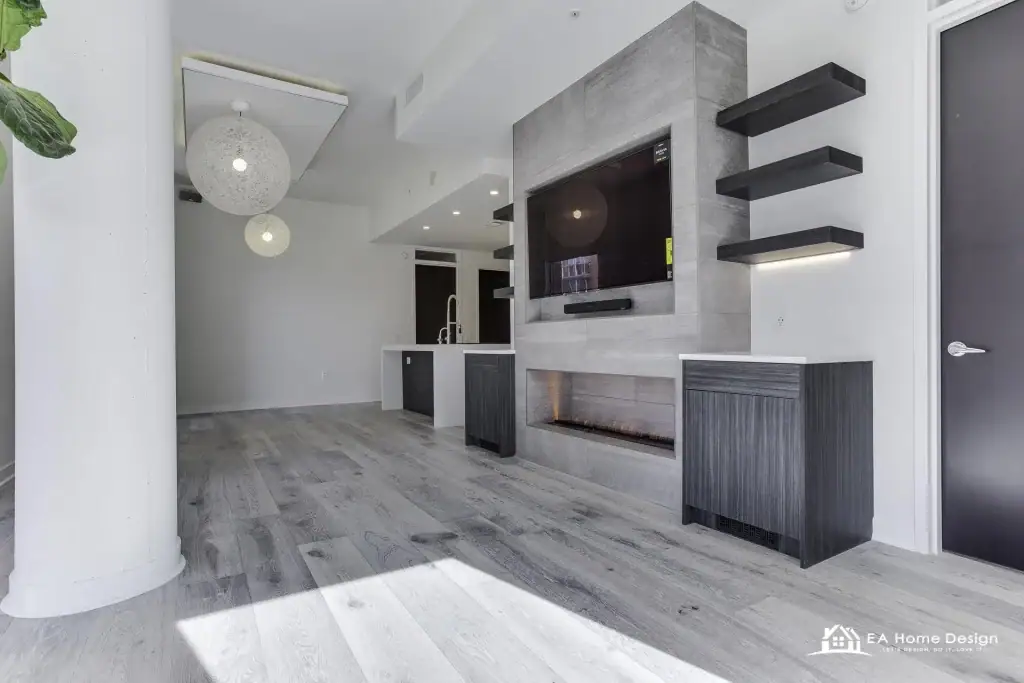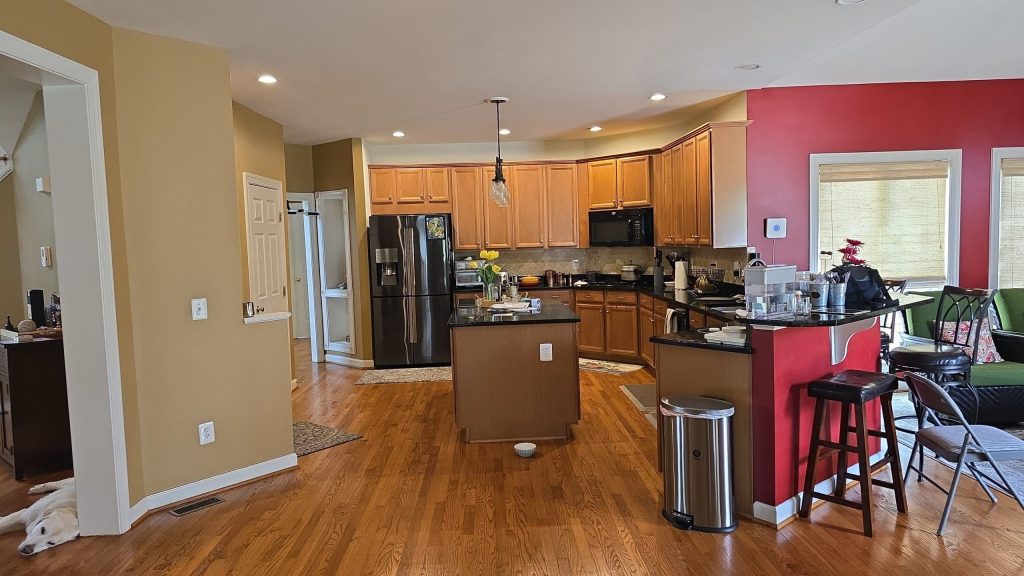
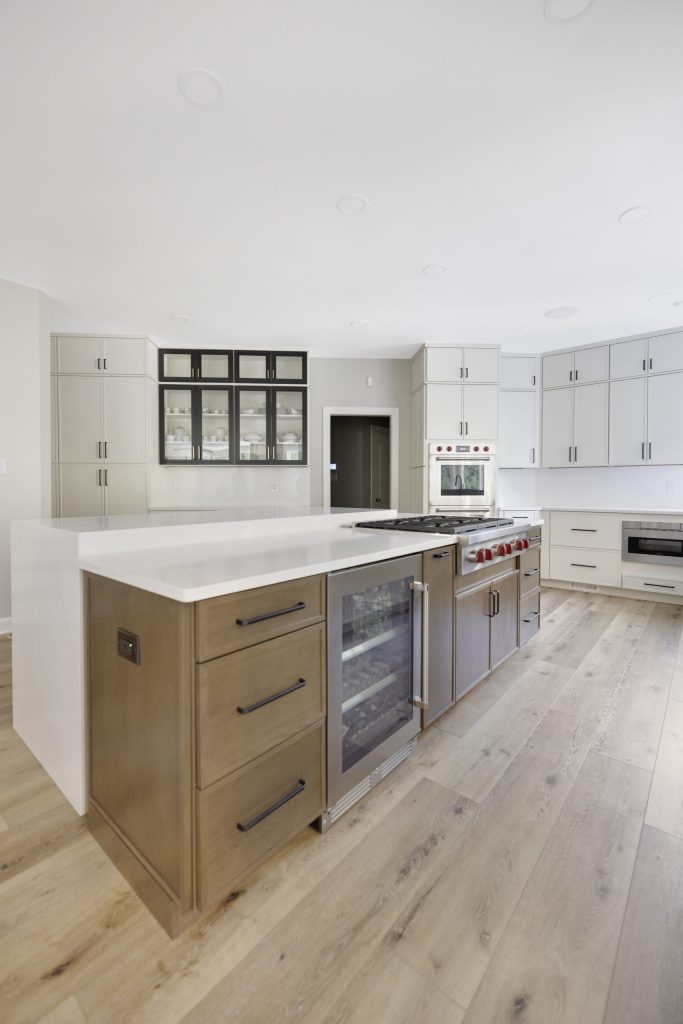
The most costly home remodeling mistakes are underestimating the budget, skipping the design phase, ignoring permits and zoning, hiring the wrong contractor, and choosing finishes that clash with the rest of your home. Every one of them is avoidable with proper planning. Together they account for most of the budget overruns, delays, and regrets homeowners experience. For Northern Virginia homeowners, knowing these pitfalls before you start protects your money, your timeline, and your finished result. This guide covers the ten most common mistakes to avoid and exactly how to sidestep each one in your Fairfax or Loudoun County remodel, plus the red flags that predict a difficult project.
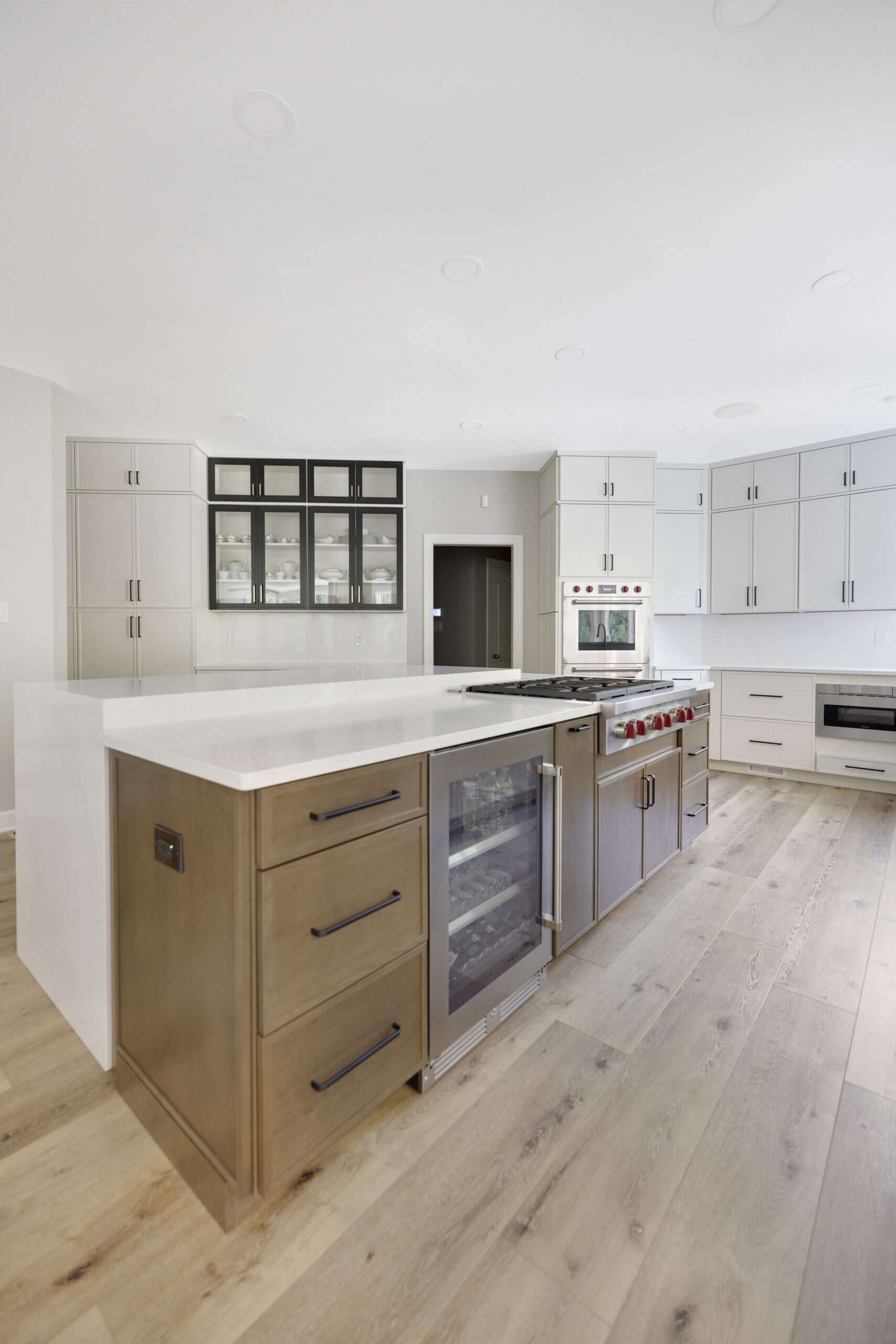
Mistake 1: Underestimating the Budget
Running out of money mid project is the most common and most painful remodeling mistake, and it almost always traces back to an incomplete budget. Homeowners typically budget for the obvious costs and forget the rest. A complete remodeling budget includes:
- Design and permit fees: Real costs that come before any construction starts.
- Labor and materials: The bulk of the project, and where quality choices matter most.
- Finishes and fixtures: Flooring, paint, lighting, and hardware add up quickly.
- Utility work: Extending or relocating electrical, plumbing, and HVAC.
- A contingency of 10 to 20 percent: For the surprises that show up once walls open.
That contingency is not optional, especially in older homes where outdated wiring, hidden water damage, or failing plumbing often appear during demolition. Getting a detailed, itemized quote with every material named, rather than vague allowances, is the single best protection against surprise upcharges. For real numbers in our area, see our kitchen remodel cost guide.
Mistake 2: Skipping the Design Phase
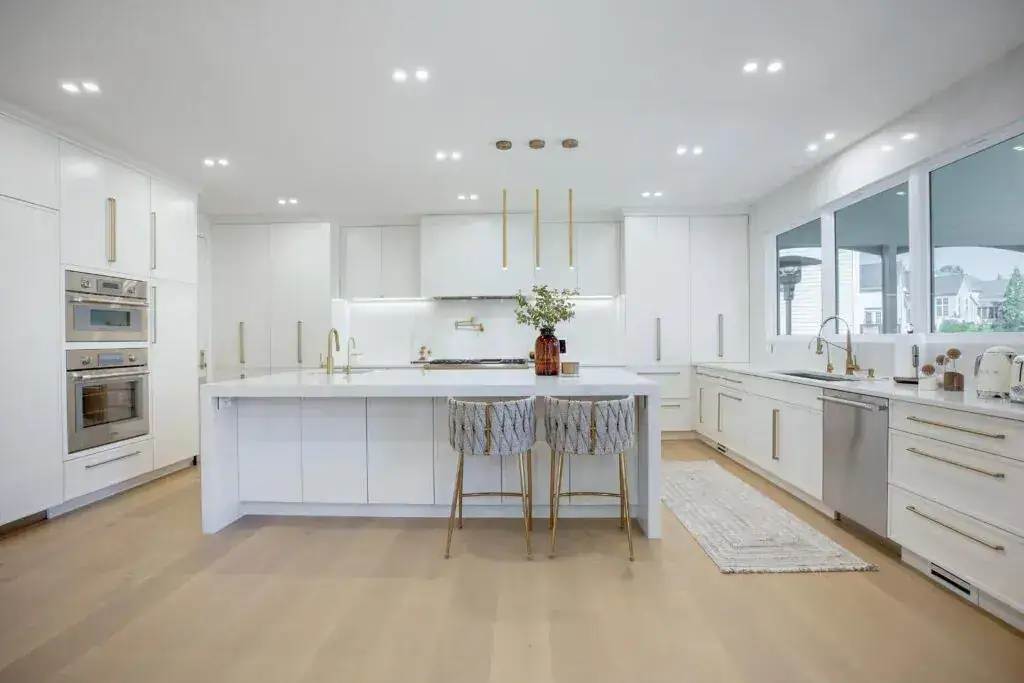
Rushing into demolition without a finished design is a costly error, because changes made during construction are dramatically more expensive than changes made on paper. Moving a wall in a drawing costs nothing, while moving it after framing costs thousands. A proper design phase settles the layout, the flow, the storage, and the finishes before a single tool comes out. It also reveals problems early, like a plan that leaves too little clearance around an island or a bathroom layout that wastes space. Insist on seeing a full 3D rendering before work begins so you can walk through the space visually and approve it with confidence. Homeowners who invest time in design consistently end up with better results, fewer change orders, and lower final costs than those who improvise as they go.
Mistake 3: Ignoring Permits and Zoning
Skipping permits to save time or money is a mistake that follows you for years, and it is one of the most damaging errors on this list. In Fairfax and Loudoun County, most remodels involving structural changes, electrical, plumbing, or additions require permits and inspections. Zoning rules also govern setbacks, height, and lot coverage for any exterior work, and homeowners associations often add their own approval process. Unpermitted work causes serious problems at resale, since buyers, appraisers, and lenders may not count the space, and you can be required to open finished walls for inspection or even undo the work. Permits also exist for safety, ensuring the work meets code so your home is safe for your family. A reputable contractor pulls permits as a matter of course. If a contractor suggests skipping them, treat it as a serious warning sign about how they operate.
Mistake 4: Hiring the Wrong Contractor
Your contractor determines the outcome more than any other single factor, and choosing on price alone is how most homeowners end up disappointed. The essentials are simple: verify licensing and insurance, insist on a detailed written contract with every material named, tie payments to completed milestones, and call recent local references. Because vetting deserves real depth, we cover it in two dedicated guides: the exact questions to ask a remodeler before you sign, and the hiring pitfalls specific to Fairfax County. Read both before you shortlist anyone, then come back to the planning mistakes below, which are the ones only you can prevent.
Mistake 5: Ignoring Your Home’s Overall Style
A beautifully remodeled room that clashes with the rest of your house is a mistake you see every day you live there. Individual rooms should feel like part of a coherent whole, not a collection of unrelated projects. Keep a consistent design language across the home through complementary colors, materials, and finishes. Trim profiles, door styles, hardware finishes, and flooring transitions all signal whether a remodel belongs. This matters especially in older Northern Virginia colonials, where an aggressively contemporary kitchen can feel jarring against traditional architecture. That does not mean every room must match exactly, since variety keeps a home interesting. It means the choices should relate to each other and to the home’s character. Cohesive design also protects your resale value, since buyers respond far better to homes that feel thoughtfully considered as a whole rather than renovated piecemeal over the years.
Mistake 6: Choosing Trends Over Timeless Design
Building the latest trend into permanent, expensive elements is a mistake that dates your home fast. Bold patterned tile, unusual fixture shapes, and of-the-moment colors look exciting today and tired in five years, and replacing tile or cabinetry is expensive and disruptive. The smarter approach is to keep the costly, permanent elements classic and neutral, then express current trends through easily changed items like paint, hardware, textiles, art, and accessories. That way you can refresh the look in a weekend rather than a renovation. This strategy is especially important if you may sell within a decade, since neutral, timeless foundations appeal to the widest pool of buyers. For guidance on what lasts, see our guide to timeless design that never dates.
Mistake 7: Underestimating the Timeline and Disruption
Expecting a remodel to finish faster than it realistically can leads to frustration and rushed decisions. Most kitchen and bathroom remodels take several weeks, and additions take months, including design and permitting time that homeowners often forget to count. Material lead times can add weeks, especially for custom cabinetry or specialty tile. Beyond the schedule, plan for the daily disruption of noise, dust, and workers in your home. If your kitchen is being remodeled, set up a temporary kitchen elsewhere. If you work from home, plan a quiet space. Building a realistic timeline with a buffer, and preparing your household for the disruption, turns a stressful project into a manageable one. Ask your contractor for a written schedule and regular updates so you always know what is coming next.
Mistake 8: Prioritizing Looks Over Function
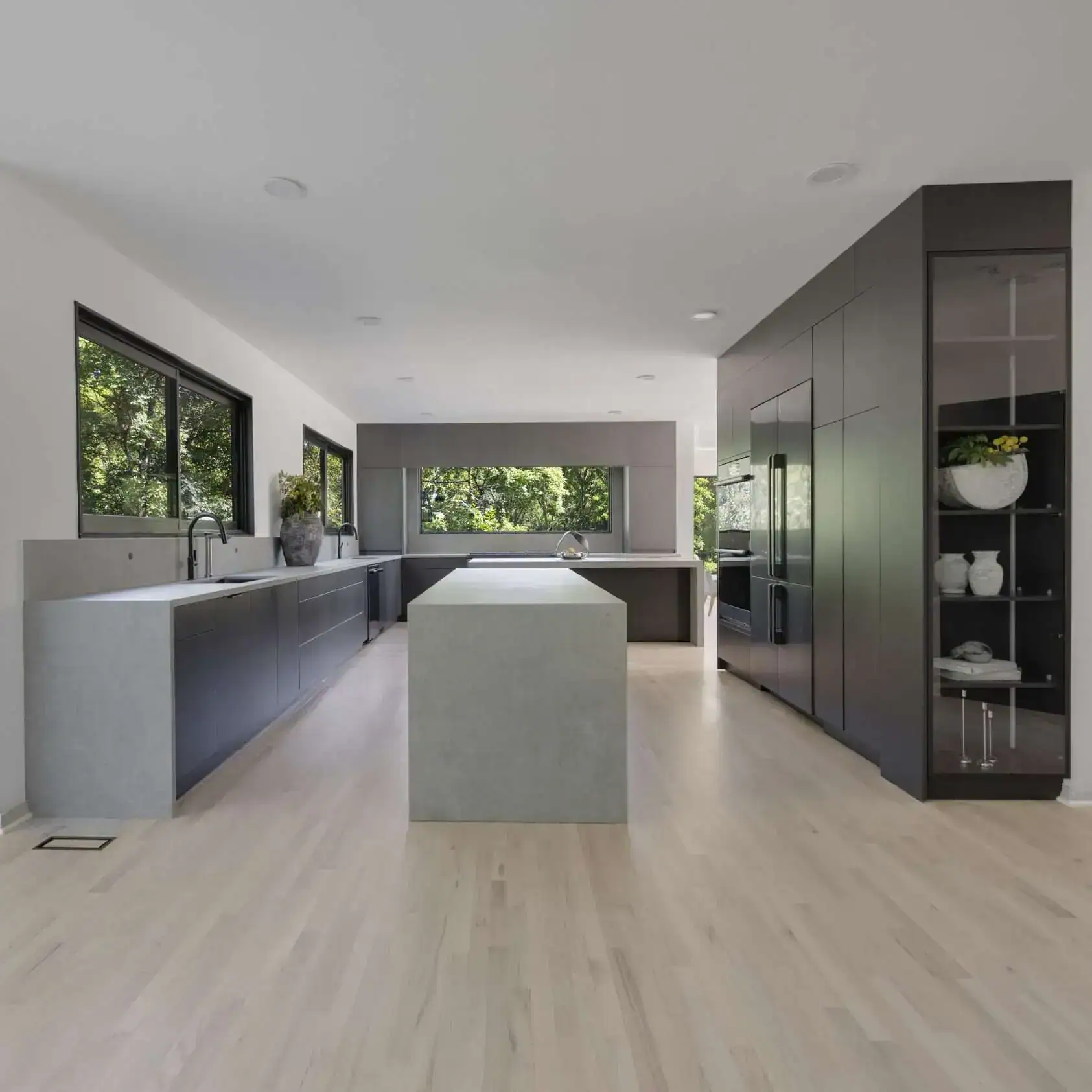
A stunning room that does not work well is a mistake you feel every single day. Function should lead, with beauty layered on top. In kitchens, this means adequate counter space, comfortable clearances, and storage where you actually need it, not just a striking island. In bathrooms, it means a layout with room to move, plus real storage instead of a beautiful vanity with a single cramped cabinet. Throughout the home, it means enough outlets, good lighting for each task, and traffic flow that makes sense. Storage in particular is where homeowners most often under plan, then live with clutter that undermines the whole design. The best remodels solve real daily frustrations first, then make the solution beautiful. That order, function first and beauty layered on top, is what separates a remodel you genuinely love living in from one that merely photographs well.
Mistake 9: Making Changes Mid Project
Change orders are one of the fastest ways to blow a remodeling budget and schedule, and most of them are avoidable. Every change made after construction starts costs more than it would have during design, because work may need to be undone, materials reordered, and trades rescheduled. Moving an outlet during framing is minor, while moving a sink after plumbing is roughed in is expensive. Changes also ripple through the schedule, since one delayed trade pushes back every trade that follows. The solution is to make your decisions during the design phase and commit to them. Select every material, fixture, and finish before demolition, and review the plans carefully while changes are still free. Some changes are unavoidable when hidden problems surface, which is exactly what your contingency covers. But discretionary changes driven by second guessing are the ones to eliminate, and thorough upfront planning is how you do it.
Mistake 10: Over Improving for Your Neighborhood
Investing far beyond what surrounding homes support is a mistake that quietly costs you at resale. A luxury kitchen in a modest neighborhood rarely returns what you spend, because comparable sales anchor your home’s value. That does not mean you should not build the home you want, especially if you plan to stay for many years and will genuinely enjoy the upgrades. It does mean you should go in with clear expectations about return. Before a major project, look at what comparable homes in your area have sold for and what features they include. In Northern Virginia, where neighborhoods vary widely, a local agent or an experienced remodeler can tell you what buyers in your specific area expect. Balancing your personal enjoyment against realistic resale value helps you decide where to invest heavily and where to hold back. For guidance on returns, see our look at remodels that pay off.
How to Avoid These Mistakes: A Simple Checklist
Work through this checklist before your project starts and you will sidestep nearly every common remodeling pitfall:
- Build a complete budget including design, permits, utilities, finishes, and a 10 to 20 percent contingency.
- Complete the full design and approve a 3D rendering before any demolition begins.
- Confirm which permits are required and that your contractor will pull them.
- Verify licensing, insurance, and recent local references for every contractor you consider.
- Get a detailed contract with every material named and payments tied to milestones.
- Choose classic materials for permanent elements and save trends for easily changed items.
- Plan a realistic timeline with a buffer, and prepare your household for the disruption.
- Prioritize function, storage, lighting, and flow before aesthetics.
Homeowners who work through these steps consistently report smoother projects, fewer surprises, and noticeably better final results. The planning up front is what makes almost all of the difference.
One related topic deserves its own guide: the warning signs that predict a bad contractor. We cover those separately in our post on pitfalls to avoid when hiring a Fairfax County remodeler, from cash-only requests to insurance gaps.
What a Well Run Remodel Looks Like
Knowing what good looks like helps you recognize whether your project is on track. A well run remodel starts with a discovery conversation about how you live and what problems you need solved, not a quick measurement and a price. It moves into a design phase where you review plans and a 3D rendering, select every material, and approve the final scope. The contract that follows names those materials, sets milestone payments, and includes a realistic schedule. Permits are pulled and inspections scheduled as a matter of course. During construction, you get regular updates, the work area is protected with dust barriers, and questions are answered promptly. At the end, there is a punch list walkthrough where any final details are corrected before the last payment. When your project follows this shape, you are in good hands. When it skips steps, that is when the mistakes on this list start creeping in.
Why Working With the Right Team Matters
Nearly every mistake on this list becomes far less likely when you work with an experienced, transparent remodeler. A good team builds a complete budget with you rather than a low bid that grows later, walks you through a full design before demolition, handles permits and inspections as standard practice, and tells you honestly when a choice will date badly or will not function well. They also give you a realistic schedule instead of an optimistic one. That expertise is exactly what you are paying for, and in practice it typically saves far more than it costs by preventing expensive mid project changes and rework. EA Home Design works with Fairfax and Loudoun County homeowners this way, including a full 3D rendering before any work starts, so you know exactly what you are getting.
Frequently Asked Questions
What is the biggest mistake in home remodeling? Underestimating the budget. Most homeowners forget design fees, permits, utility work, and a contingency, then run short mid project. Always include a 10 to 20 percent buffer for surprises found once walls open.
How much contingency should I budget for a remodel? Plan 10 to 20 percent of your total budget. Older homes need the higher end, since hidden issues like outdated wiring, water damage, or failing plumbing are common once demolition begins.
Do I really need permits for a remodel? Yes for most projects involving structural changes, electrical, plumbing, or additions. Unpermitted work creates serious problems at resale and can require opening finished walls for inspection. Reputable contractors always pull permits.
How do I avoid hiring the wrong contractor? Verify licensing and insurance, check recent local references by phone, insist on a detailed written contract with named materials and milestone payments, and be wary of bids far below the rest or demands for large upfront payments.
Related guides: energy efficient remodeling and what an interior designer costs and when it is worth it. Explore our remodeling services or read our remodel case studies, and garage conversion costs and rules, and which remodels pay off before selling a Fairfax home.
Conclusion: Plan Well, Remodel Once
Nearly every remodeling regret traces back to a decision made too quickly at the start. Build a complete budget with a real contingency, invest in the design phase, handle permits properly, vet your contractor thoroughly, keep permanent elements timeless, plan a realistic timeline, and let function lead the design. Do those things and you dramatically improve your odds of a project that finishes on budget, on schedule, and looking exactly as you pictured it from the start. If you are planning a remodel in Fairfax or Loudoun County, EA Home Design can guide you through each step and show you a full 3D rendering before any work begins. Explore our remodeling services in Virginia to get started.