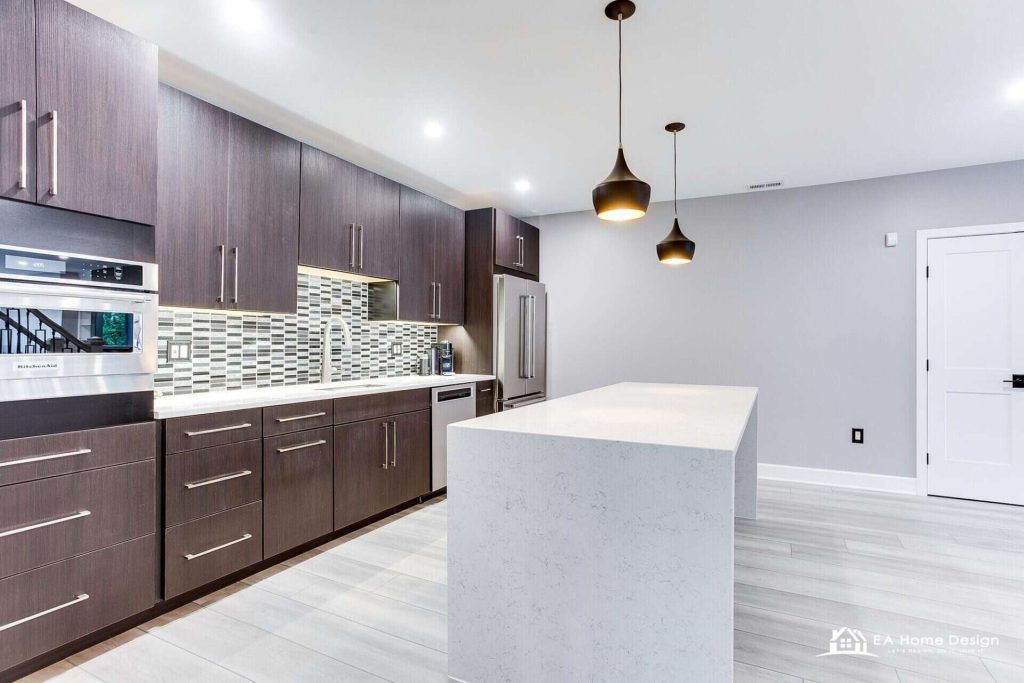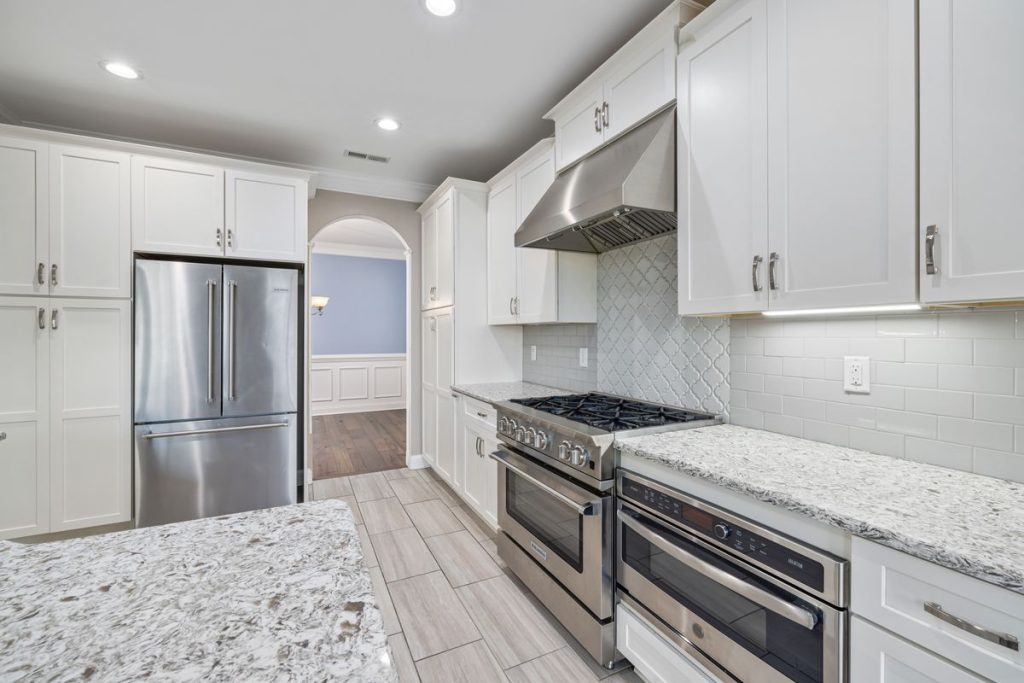
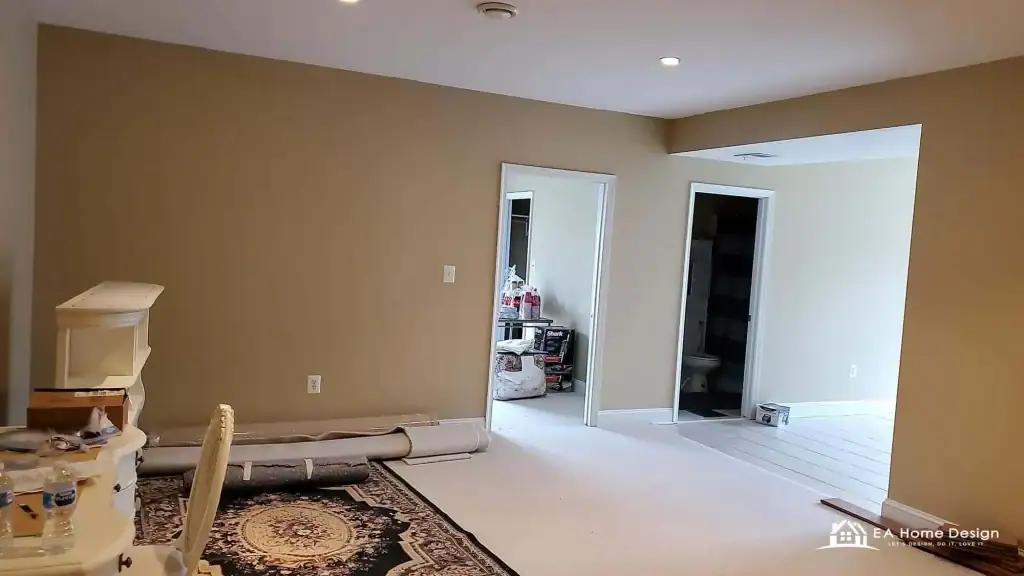
Safe demolition comes down to five disciplines: shut off and verify every utility before the first swing, wear protection matched to the actual hazards (eyes, lungs, hands, feet, in that order of real world injury), never open a wall until you know whether it carries the house, treat any home built before 1978 as containing lead and possibly asbestos until tested, and contain the dust so the project stays in one room. We are a Class A licensed design build remodeler (VA #2705157182), and demolition is the first week of nearly every project we run in Fairfax and Loudoun County. This guide covers how to do your own demo safely, room by room, and, just as honestly, the specific situations where doing it yourself is the expensive choice.

When DIY Demo Makes Sense, and When It Never Does
Demolition is the most DIY friendly phase of remodeling: the skill floor is low, the labor savings are real, and mistakes are usually recoverable in a way that plumbing mistakes are not. Removing cabinets, tearing out carpet, stripping tile, pulling a vanity, taking down a non structural wall, all of it is honest weekend work for a careful homeowner. The list of never do it yourself items is short and absolute: anything load bearing, anything that might contain asbestos, any wall holding the electrical panel’s feeder or a plumbing stack you cannot see, gas appliance disconnections beyond simply closing a valve, and whole structure demolition, which is machinery work governed by permits and utility cut orders. The pattern behind the list: DIY demo is safe where the worst case is mess, and dangerous where the worst case is structural, toxic, or explosive.
Before the First Swing: The Preparation Checklist
- Kill the utilities and verify: Breakers off for every circuit in the work zone, then test outlets and switches with a non contact tester rather than trusting the panel labels, which are wrong in half the houses we open. Water off at the fixture stops or the branch valves, then open the taps to drain. Gas valves closed at the appliance, and if a gas line must move, that is a plumber’s job by law and by sense.
- Check whether you need a permit: In Fairfax and Loudoun County, cosmetic strip out generally does not need one, but removing walls, altering plumbing or electrical, or touching structure does. The full picture is in our Northern Virginia permit checklist, and the five minute phone call beats the stop work order.
- Order the dumpster first: Demolition generates more debris than anyone estimates. A 10 or 20 yard container in the driveway turns a chaotic pile into a tidy project, and most Northern Virginia haulers deliver next day.
- Seal the battlefield: Plastic sheeting taped over doorways and HVAC registers, zipper doors on the main entry, rosin paper or hardboard on the floors along the exit path. Turn the HVAC fan off while cutting or smashing anything dusty, or the whole house joins the project.
- Photograph everything first: Walls, fixture connections, and especially anything you may reinstall. Future you, holding four mystery brackets, will be grateful.
Protective Gear, Ranked by the Injuries That Actually Happen
Demo injuries are boringly predictable, so gear up against the real list rather than the movie version. Eyes first: flying tile shards and nail heads cause the emergency room visits; wraparound safety glasses stay on from the first swing to the final sweep. Lungs second: drywall dust is miserable, but the serious risks are silica from tile and concrete work and whatever lives in old materials, which means an N95 minimum for general demo and a P100 respirator for anything masonry or suspect. Hands: cut resistant gloves, because torn sheet metal, broken tile, and nail studded lumber are the whole job. Feet: thick soled boots, since stepping on a nail remains the classic demo injury a century after everyone learned about tetanus. Hard hats matter when someone is working above you or ceiling material is coming down; ear protection matters the moment power tools join. None of this costs much, and all of it together costs less than one urgent care copay.
The Load Bearing Rule: The One Mistake You Cannot Sweep Up
Every other demo error produces mess; this one produces sagging ceilings, cracked upstairs walls, and five figure repairs. Before opening any wall, apply the clues, walls perpendicular to the joists above, walls stacking with beams or walls below, and exterior walls are the usual carriers, and then treat the clues as suspicion rather than clearance, because the verdict belongs to a structural engineer or to opening the ceiling and looking. The rule we give every client: a non structural partition is a DIY project, and a load bearing wall is a permitted project with an engineered beam, no exceptions. What that project involves, temporary shoring, beam sizing, county inspection, is covered in our open concept kitchen remodeling guide, which is where most wall removal ambitions are actually headed.
Lead and Asbestos: The Pre 1978 Rules
The single most important date in demolition is 1978, when lead paint left the residential market. If your home predates it, assume painted surfaces contain lead until a swab test says otherwise, and understand that dry sanding, scraping, and smashing lead painted material is exactly how the dust becomes dangerous, especially with children in the house. Professional contractors working on pre 1978 homes are bound by the EPA’s Renovation, Repair and Painting rule for containment and cleanup; a homeowner working on their own house is not bound by it, which makes following its spirit voluntary and wise. Asbestos runs on a similar clock: homes built or remodeled before roughly the mid 1980s can hide it in flooring and its adhesive, pipe and duct insulation, ceiling textures, and siding. The rule is absolute: test before disturbing, through any Virginia licensed asbestos inspector, because intact asbestos is a managed risk while smashed asbestos is an airborne one. Two hundred dollars of testing buys certainty that no amount of caution can substitute for. Old plaster homes deserve special respect here, a theme our historic home renovation guide treats in full.
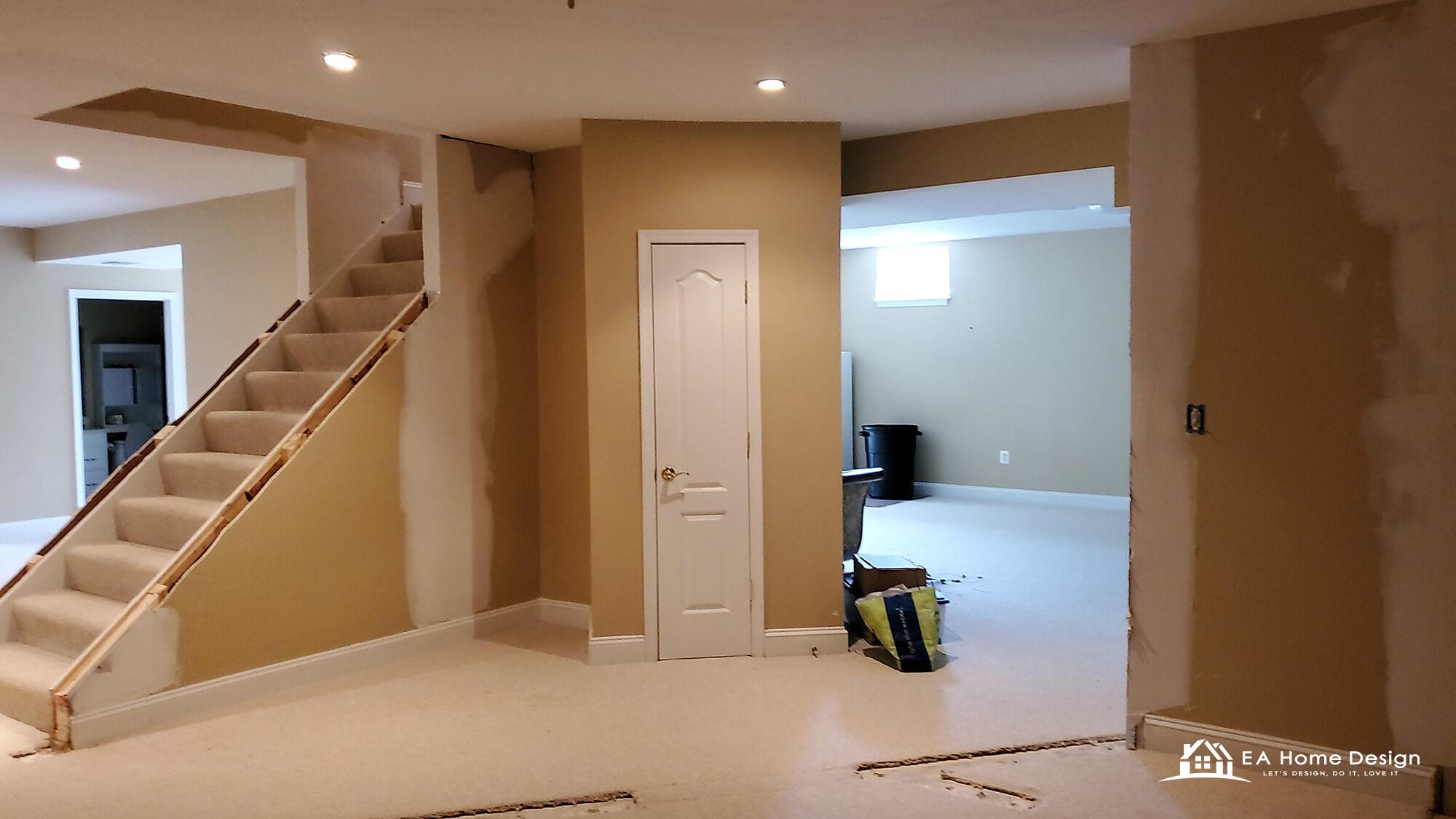
Room by Room: How the Pros Sequence a Strip Out
Kitchen Demolition
Order matters, and it is the same order on every professional job: appliances out first (water line to the fridge closed and drained, dishwasher’s hardwired or corded connection dead and verified), then countertops, then uppers, then base cabinets, so nothing heavy ever comes down over something you still need to remove. Counters lift off after the screws underneath and any silicone beads are cut; stone tops are genuinely heavy and break sharp, so recruit help. Uppers come down with someone bracing while screws back out, the reverse of hanging them. Cap water stops and stub outs, tape and label dead wires, and resist the urge to yank anything connected to a pipe. A careful couple strips a kitchen in a weekend, and cabinets in decent condition are worth donating rather than dumping, Habitat for Humanity ReStore locations around Northern Virginia accept them.
Bathroom Demolition
Water discipline is the whole game: stops closed, lines drained, and the toilet’s remaining water sponged out before it comes off the flange, where the wax ring will be exactly as unpleasant as its reputation. Vanities are the kitchen sequence in miniature. Tub and shower surrounds are where DIY bathrooms go wrong: tile over cement board demolishes loudly but predictably, while tile over drywall in a wet area often reveals the rot that justified the remodel. Cast iron tubs are either broken in place under a tarp with a sledge, ears and eyes protected, or walked out whole by three people who like each other. Stuff a rag in the open drain the moment the trap is exposed, both for the sewer gas and for the sake of every screw and tile shard that would otherwise fall in, and cap the supply stubs before the room fills with debris that hides them.
Flooring, Drywall, and Plaster
Flooring is the demo task most homeowners start with, and each material has its own temperament. Carpet cuts into rolled strips and goes fast; the tack strips and staples underneath are the real job. Laminate and floating floors unclick from the edge. Glued hardwood and tile are pry bar and thumper work where a rented floor scraper earns its fee in an afternoon, with silica respirator discipline for tile. Drywall demolishes almost politely: score, punch, pull sheets between studs, sweep, but find the wires and pipes first with an inspection hole at the top. Plaster and lath is another animal entirely, heavier, dustier, and common in the region’s older homes; contain it seriously, bag it as you go, and revisit the lead paragraph above before touching it.
The Right Tools, and the Rented Ones
Owning: a flat pry bar and a full size wrecking bar, a 20 ounce hammer and a three pound engineer’s hammer, utility knife with a brick of blades, a reciprocating saw with demolition blades (the single most useful power tool in demo), a non contact voltage tester, and heavy contractor bags. Renting, for the day they earn it: a floor scraper for tile, a rotary hammer for masonry, and negative air machines or serious HEPA fans for big dusty phases. Skipping: the sledgehammer as a first resort. Television demo starts with a swing; professional demo starts with a pry bar and ends with material coming out in clean, carryable, disposal friendly pieces. Swinging is for the moments that genuinely need it, which are fewer and more satisfying that way.
Dust, Debris, and Disposal in Northern Virginia
Containment was set up before the first swing; the second half of cleanliness is what leaves the house, and where it goes. Rent the dumpster size up from your estimate, because demolition debris expands to shame every calculation, and load it heavy items low and flat. Clean loads of metal have scrap value; appliances in working order and intact cabinetry belong at donation centers rather than the landfill; and hazardous categories, paint, solvents, refrigerant bearing appliances, follow county disposal rules rather than the dumpster. Fairfax and Loudoun County both run household hazardous waste programs that make doing this correctly easy. Inside the house, the finish line is a HEPA vacuum pass of the work zone and the exit path, then filters changed on the HVAC once the dusty phase ends, a two dollar step that spares the whole system.
Living in the House While You Demo
Most DIY demolition happens in occupied homes, which adds a layer the jobsite guides skip. Sequence the work so one bathroom and a working kitchen corner survive until their replacements are imminent, because a family can absorb weeks of mess but not a week without either. Schedule the loud, dusty phases for daytime weekends and warn the neighbors, who forgive a Saturday of banging far more readily than a surprise one. Keep children and pets out of the zone with more than a verbal rule, the zipper door and a closed hallway do what announcements do not, and remember that demolition debris on an exit path is a nighttime hazard for everyone, not just the person who left it there. Finally, budget your own energy honestly: demo is genuinely hard labor, most injuries cluster at the exhausted end of the day, and the sixth hour of swinging is when the pry bar slips. Two focused four hour sessions beat one heroic ten hour one in both safety and progress.
What the Pros Do Differently
Watch a professional crew strip a kitchen and the differences are instructive. They work slower at the start, all the disconnection, verification, and protection happens before anything is touched, and dramatically faster after it. They demolish in the largest safe pieces rather than the smallest exciting ones, because disposal is half the labor. They never demolish past the plan: the line between this comes out and this stays is marked on the walls before day one, since over demolition creates rebuild cost with a swing of the arm. And they stage debris continuously instead of letting it pool underfoot, because the injury data says slips, trips, and stepping on things cause more demo harm than anything dramatic. Every one of those habits is free to copy, and together they are most of the difference between a two day professional strip out and a two week domestic one.
Frequently Asked Questions
Do I need a permit for demolition in Fairfax or Loudoun County? Not for cosmetic strip out, cabinets, flooring, fixtures, tile. Yes once walls come down, plumbing or electrical changes, or structure is touched, and yes for any whole structure demolition. When in doubt, the county’s permit desk answers the question in minutes.
Can you demo a house yourself? Interior strip out, yes, and this guide is the playbook. Whole house demolition, practically no: it requires permits, formal utility disconnections, machinery, and hazardous material surveys, and it is priced closer to reasonable than most people expect precisely because pros do it constantly.
What should I wear for demolition work? Wraparound safety glasses, an N95 or better (P100 for tile, concrete, or anything suspect), cut resistant gloves, long sleeves, and thick soled boots. Add a hard hat when anything is coming down from above and ear protection with power tools.
How long does DIY demolition take? A kitchen strip out is a committed weekend for two people; a bathroom is one to two days; flooring depends entirely on how it was attached, from an afternoon for carpet to a grinding weekend for glued tile. Double your estimate for homes older than the 1970s, where every layer hides another layer.
Is doing your own demo worth the savings? On labor, genuinely yes for the DIY safe scope, and it is the rare remodeling task where sweat converts directly to budget. The honest accounting includes the dumpster, the gear, your weekends, and the discipline to stop at the load bearing and pre 1978 boundaries, because one structural or asbestos mistake erases every dollar saved.
What is the most common DIY demolition mistake? Opening a wall without knowing what is inside it, structurally or mechanically. The runner up is skipping containment and spending a month finding drywall dust in rooms that were never part of the project.
Swing Smart, and Know Where the Line Is
Demolition rewards preparation and punishes improvisation, which makes it the perfect first lesson in remodeling. Do the strip out yourself if the scope is DIY safe and the prep list above is genuinely done, and hand the structural, the suspect, and the whole house work to people licensed for it. When your project reaches the building back part, or when the wall you want gone turns out to be holding up the second floor, EA Home Design’s Sterling based team handles demolition through finish under one Class A license. Schedule a consultation and we will tell you honestly which half of your demo is a weekend and which half is ours.